

A two-year project featuring satellite buoys and the cooperation of multiple ports and fishing fleets has contributed to removing more than 225 metric tons (MT) of waste from oceanic seabeds.
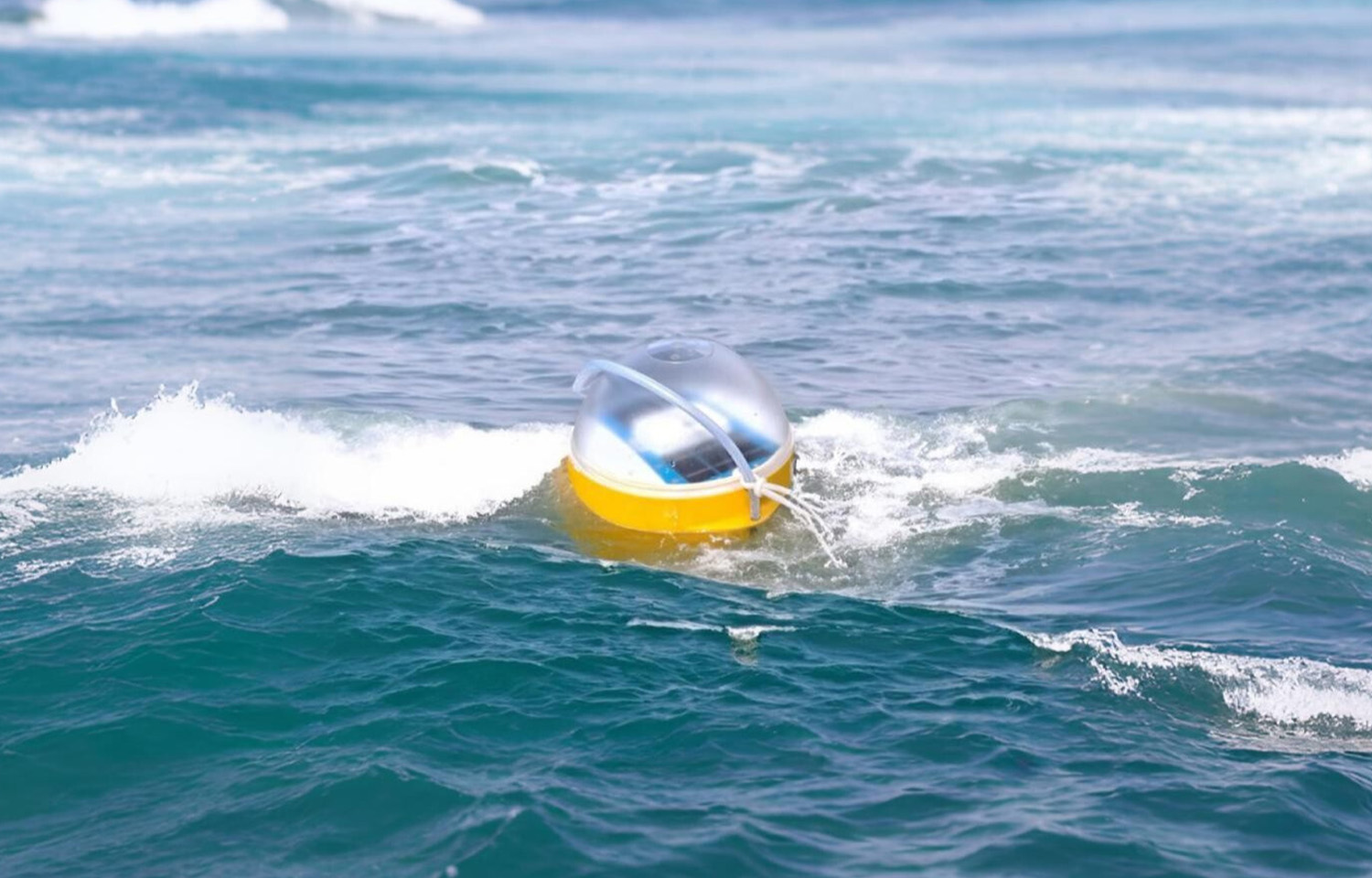
Upcycling the Oceans – a project started by the Ecoalf Foundation and Ecoembes, along with Santander for the Seas – aims to track and collect waste from the ocean. In this particular phase of the project, groups used smart buoys from Spanish technology company Satlink and received commitments from 35 ports and their fishing trawler fleets.
Upcycling the Oceans used the Satlink buoys, which are equipped with GPS location systems and current prediction software, to monitor floating waste and then facilitate its collection. The current prediction software allows the organization to predict and recover floating debris before it reaches marine protected areas or vulnerable ecosystems.
“This system allows small-scale fishing vessels to actively participate by marking and signaling waste without the need to store it on board, and it has been very well-received by the fishing sector,” Ecoalf said. “This application of smart buoys – initially developed for Satlink’s ReCon project – thus demonstrates their potential to strengthen citizen science and broaden the impact of technological solutions in marine protection.”
This phase of the project was first launched in 2023, and over the last two years, project organizers have made more than 90 visits to ports and have run 40 educational and awareness sessions to highlight the role that fishing fleets can play in tackling marine litter.
The marine litter that is collected is then recycled, converted into raw materials for other uses.
The pilot is the latest push by Ecoalf in its “Upcycling the Oceans” effort, which first started in Spain in 2015. Since that time, more than 4,000 fishermen have participated, with many collecting trash that is caught in their nets during fishing operations. That waste is then delivered to local managers of the project who sort and treat it to allow it to be recycled.
“This experience shows that marine protection is possible when built locally on trust-based relationships and accessible technological tools,” Ecoalf said. “The results pave the way for scaling the model to more regions and fleets, integrating new technologies for marine observation and waste traceability, and strengthening networks of collaboration between fishers, NGOs, and administrations.”
