






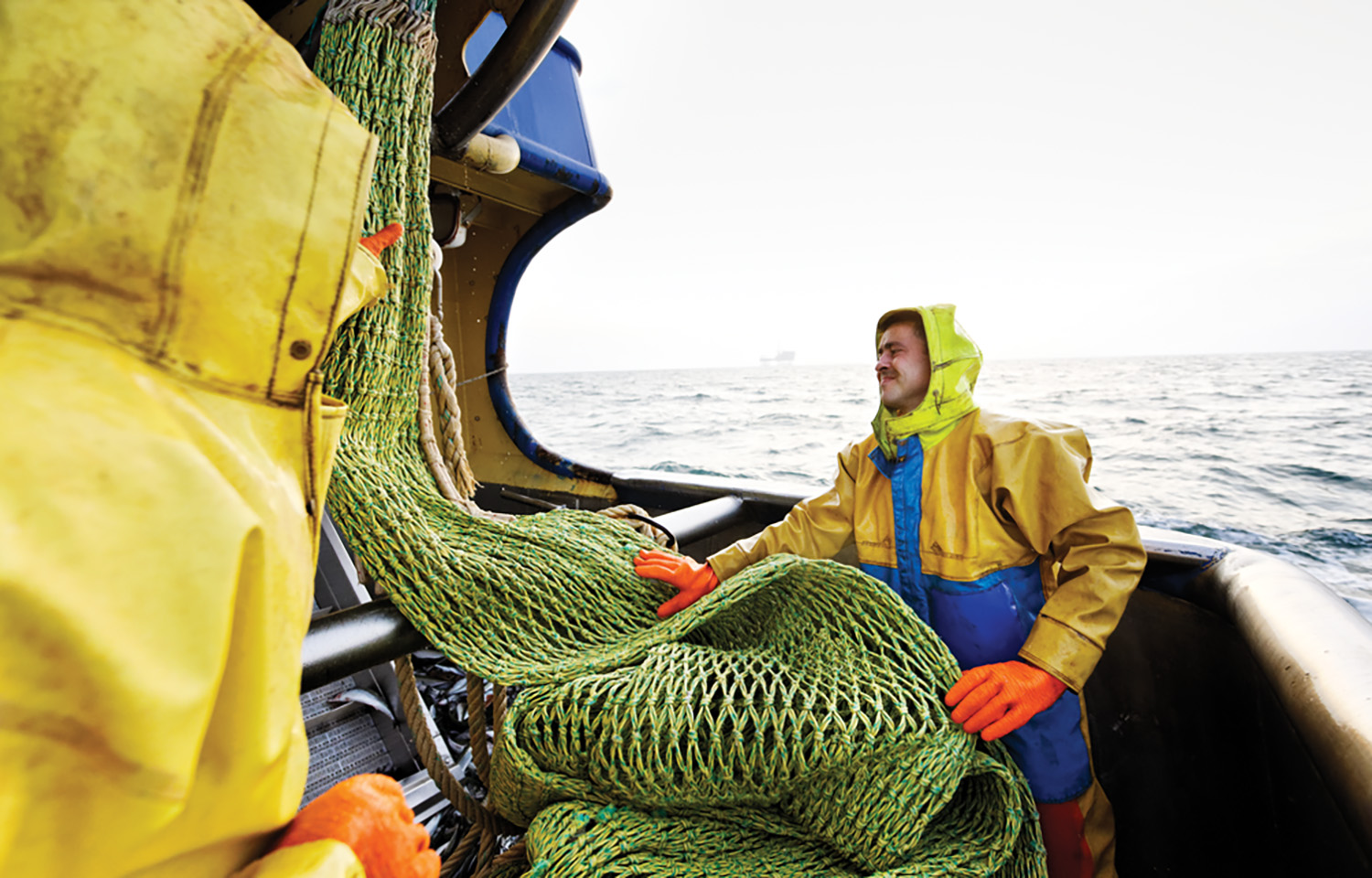
A long-term initiative aimed at improving fisheries management in the U.K., with the end goal of securing Marine Stewardship Council (MSC) certification for a variety of species, has, seven years on since its inception, led to practical, multi-stakeholder contributions and more U.K. seafood on store shelves, according to the project’s stakeholders.
Project UK originally sought to build upon progress made under the now-defunct Project Inshore program, through which MSC and U.K. seafood representative body Seafish mapped out the sustainability status of 450 English fisheries, using the MSC Standard as a benchmark.
Taking cultural, economic, retail, and supply chain inputs into account, a handful of the surveyed fisheries were then selected for improvement under Project UK.
Besides the fishing industry, retailers like Tesco, Sainsbury’s, M&S, and Waitrose; seafood businesses such as MacDuff Shellfish, Hilton Foods, and Lyons Seafoods; in addition to WWF UK, Defra, Cefas, and academic institutions, have all joined in on ensuring the project’s success.
“Having the industry involved front and center has been key for us. Project UK has evolved; it’s gained momentum and buy-in as the years have gone by,” MSC Senior Fisheries Outreach Manager Lisa Bennett told SeafoodSource. “Certainly, having people like the retailers and the supply chain on the same call as the industry and discussing the challenges that they're facing, as well as being able to converse back and forth directly with the people catching their product, has been great.”
MSC has multiple ongoing fisheries improvement initiatives around the world, but Bennett said Project UK is particularly trailblazing in terms of the retail and supply chain support and funding it has secured.
Over the past seven years, Project UK has made step-by-step improvements in a wide range of fisheries across the country and has garnered the support of more than 100 organizations and over 220 individuals, with close to GBP 1.5 million (USD 2 million, EUR 1.8 million) raised to support the project.
To date, Project UK has worked with six fisheries – targeting king scallops, monkfish, lemon sole, plaice, crab, European lobster, and langoustine. The project estimates landings of these species contribute around GBP 177 million (USD 231 million, EUR 211.7 million) annually to the U.K. economy.
The North Sea plaice fishery has gained MSC certification through the project, while the North Sea lemon sole fishery is nearly ready to enter assessment; the project’s intention is for nephrops to enter the “In Transition to MSC” (ITM) program shortly.
Beyond certification, Project UK has also contributed to the U.K.’s national fisheries policy, which has been quickly evolving in the wake of Brexit and the introduction of the first fisheries management plans (FMPs).
One example is the U.K.’s crab and lobster fisheries improvement project, which has funneled ideas and content generated in industry-led workshops into legitimate policy consultations, which in turn have helped to shape and support the resulting FMP for the fishery.
“This information-sharing and the openness to share that exists within the steering groups to further these objectives has been a real success of the project,” Bennett said.
Achieving certification is vital to the future-proofing of Scotland’s fishing industry in particular, according to Scottish Fisheries Sustainable Accreditation Group (SFSAG) CEO Mike Park.
As such, the organization has been involved in Project UK from its outset.
“Essentially, we all want the same thing: sustainable fisheries,” he said. “Among the positives of this project, it got everybody in a room to start talking. It made us understand the extent of the challenges ahead, and it also put into the consciousness of the fishermen that more had to be done.”
Specifically, SFSAG was keen to move Scotland’s uncertified nephrops and scallop fisheries into the national discourse and explore whether Project UK was able to help it achieve those goals.
Park said that while the group couldn’t be sure how stakeholders would react going into initial talks, as they often carry a lot of tension, Project UK has provided a blueprint on what needs to be done that most can agree on.
“Whatever we do from now on, we've got it in our heads how we can resolve this problem. Albeit, it's taken five years to get there, but it’s a good, positive thing. It's the same with the scallop management as well. Scallops haven't been managed in the past, so now we need to sit down and manage them appropriately. [For that], we need more information, we need data. We need to work out what sort of management we should put in place so we protect particular scallop beds because they are localized,” he said. “At the end of the day, I think we've come through understanding that the goal is to get these fisheries certified so we can retain and build our share in the marketplace. Fishing is like any other business. We need to make money. We need to make a profit. It’s with that in mind that industry leaders became engaged to ensure that in the future, nothing will trip that market for us.”
Park also stressed that the mindset of fishers is continually evolving and moving with the times, understanding that initiatives like Project UK are seeking long-term gains across the supply chain.
“[Fishers] don’t want to see waste. They don’t want to see bycatch. They don't want to burn more fuel than they have to, and they don't want to destroy the benthic community,” he said. “Your modern-day fisherman is pretty much an NGO. He understands what needs to be done to protect the marine environment – it's in his best interest.”
Looking ahead, Project UK is working with industry representatives to develop a third round of improvement projects. Over the past two years, work under the initiative has looked to further understand the next suite of fisheries identified as potential candidates for improvement, which include Southwest turbot and cuttlefish, east coast crab, and Scottish sprats.
