



Environmental nonprofit Greenpeace has alleged that the U.S. government is too lenient on cracking down on trafficking, especially as it relates to major seafood supplying nations.
The organization made the claim in response to the U.S. government’s ranking of Taiwan and Indonesia in its yearly Trafficking in Persons (TIP) Report, the most recent edition of which included Taiwan achieving a Tier 1 ranking for the 16th time and Indonesia achieving a Tier 2 ranking.
The Tier 1 designation is intended to identify countries that fully comply with the minimum requirements of the Trafficking Victims Protection Act (TVPA), while Tier 2 designates nations that do not fully comply “but are making significant efforts to bring themselves into compliance with [TVPA] standards.”
In a release condemning the grades assigned to the two nations, Greenpeace said that it, along with Greenpeace Asia and other partners, submitted “detailed evidence of human rights issues to the TIP report and called for both Taiwan and Indonesia to be downgraded.”
“The thousands of victims of human trafficking who have been failed by the Indonesian and Taiwanese governments deserve better,” Greenpeace USA Senior Human Rights Advisor for Global Fisheries Sari Heidenreich said. “By refusing to act – even as it acknowledges the link between forced labor and destructive fishing practices – the U.S. is signaling that it is acceptable to fail victims and maintain systems that allow for ongoing exploitation. Congress must step up to protect these essential workers, wherever they are, and keep seafood tainted by modern slavery off American dinner plates.”
Taiwan has long argued that it is taking meaningful steps to improve the rights of fishers in its fleet, and Taiwanese fishing groups have argued that NGOs have “simply ignored” their efforts to improve.
Greenpeace East Asia Taipei Ocean Campaigner Shay Kuo disagreed, saying that there has been a “lack of meaningful progress from the Taiwanese government.”
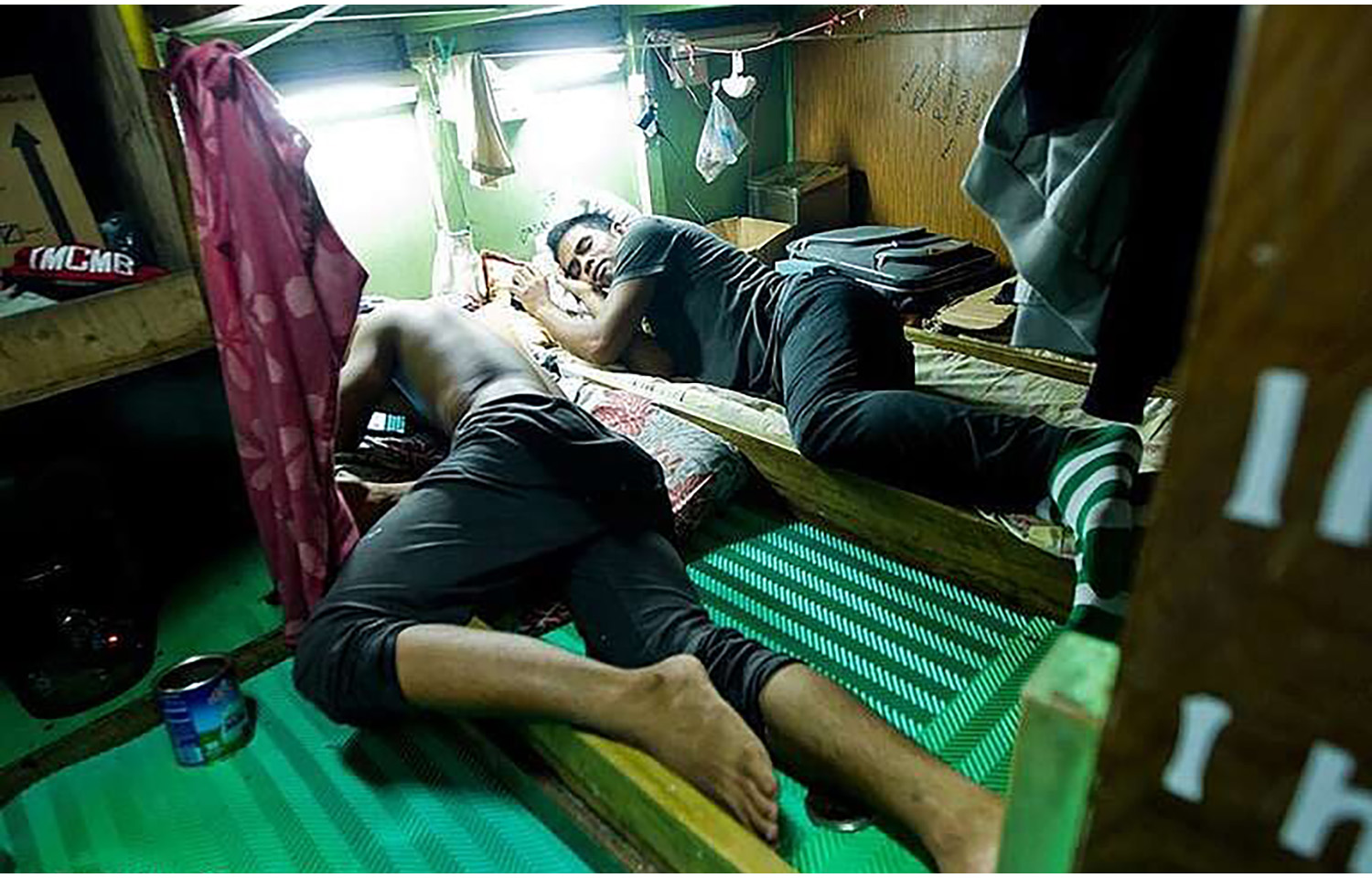
“The Taiwanese government’s failure to address key civil society demands like mandatory Wi-Fi on fishing vessels, requiring ships to return to port more frequently, full implementation of electronic surveillance, and eliminating high brokerage fees paid by workers will remain a major obstacle to protecting the industry’s most vulnerable workers,” Kuo said.
Greenpeace Indonesia Oceans Campaigner Fildza Nabila added that “Indonesia’s continued placement at Tier 2 ... overlooks the gravity of the situation in Indonesia.”
Greenpeace Indonesia submitted comments criticizing Indonesia’s efforts to the U.S. State Department for the first time this year, with a request for the State Department to downgrade Indonesia from Tier 2.
“Civil society groups have documented extensive evidence throughout 2024 pointing to a lack of meaningful progress in addressing trafficking in persons, particularly in the fishing sector. Twelve migrant fishers whose cases remain unresolved more than a year after being reported are among many victims still denied justice. The government has failed to identify victims, prosecute traffickers, or curb deceptive recruitment practices,” Nabila said.
In addition to criticizing the TIP report, Greenpeace has warned that the U.S. government's lax monitoring of trafficking and workers' rights is likely to get worse, as the administration of U.S. President Donald Trump has, among other moves, initiated a 70 percent staffing cut at the U.S. State Department’s Office to Monitor and Combat Trafficking in Persons. The NGO also attributed the fact that the 2025 TIP report was issued late to these cuts.
“The maintenance of a failed status quo, coupled with the delayed report release and weakening of safeguards, directly contradicts the administration’s stated goals of combating human trafficking and Restoring American Seafood Competitiveness,” Heidenreich said. “The Trump administration must back its words with actions by resourcing these vital programs and downgrading both Taiwan and Indonesia.”
Greenpeace said that it is calling on seafood industry stakeholders, as well as governments globally, to meet the demands of its Beyond Seafood Campaign, which seeks to end isolation for workers at sea through the provision of free, accessible Wi-Fi on fishing vessels, three-month caps to time at sea, and full human or electronic observer coverage on all vessels. It also affirmed the necessity of freedom of association and access to unions for fishers.
The organization also called on the seafood industry itself to take action.
“Regardless of the U.S. government’s continued failure to act, the seafood industry, including retailers and producers, has a responsibility to both workers and consumers,” Heidenreich said. “It is outrageous that, given clear evidence of systemic and persistent abuses, the seafood industry continues to profit from a business model built on modern slavery. These corporations can no longer afford to wait for the government to do what is necessary; they must take immediate, decisive action to address the deep-rooted exploitation within their seafood supply chains.”
This is not the first time NGOs have criticized the government’s rankings as overly lenient in its annual TIP report.
