


The U.S. State Department has released its annual Trafficking in Persons (TIP) Report, and NGOs are criticizing the choice to maintain the rankings of Taiwan and Thailand.
The TIP report classifies countries into a number of different tiers based on the prevalence of forced labor and human trafficking in their supply chains – with Tier 1 being the best and Tier 3 being the worst. In the latest report, Taiwan maintained its position in Tier 1, and Thailand maintained its position in Tier 2 – a move that Global Labor Justice (GLJ) criticized as overlooking abuses in both countries.
The positioning of Taiwan and Thailand mirrors the TIP report from 2023, which also ignored calls from NGOs to downgrade both countries.
“This year's rankings overlook Taiwan and Thailand's repression of workers' rights,” GLJ Executive Director Jennifer Rosenbaum said in a release. “The State Department should not acknowledge any country as being fully compliant or making significant efforts to become compliant with the standards to address trafficking if it does not safeguard the freedom of association for at-risk workers, such as migrant workers and fishers.”
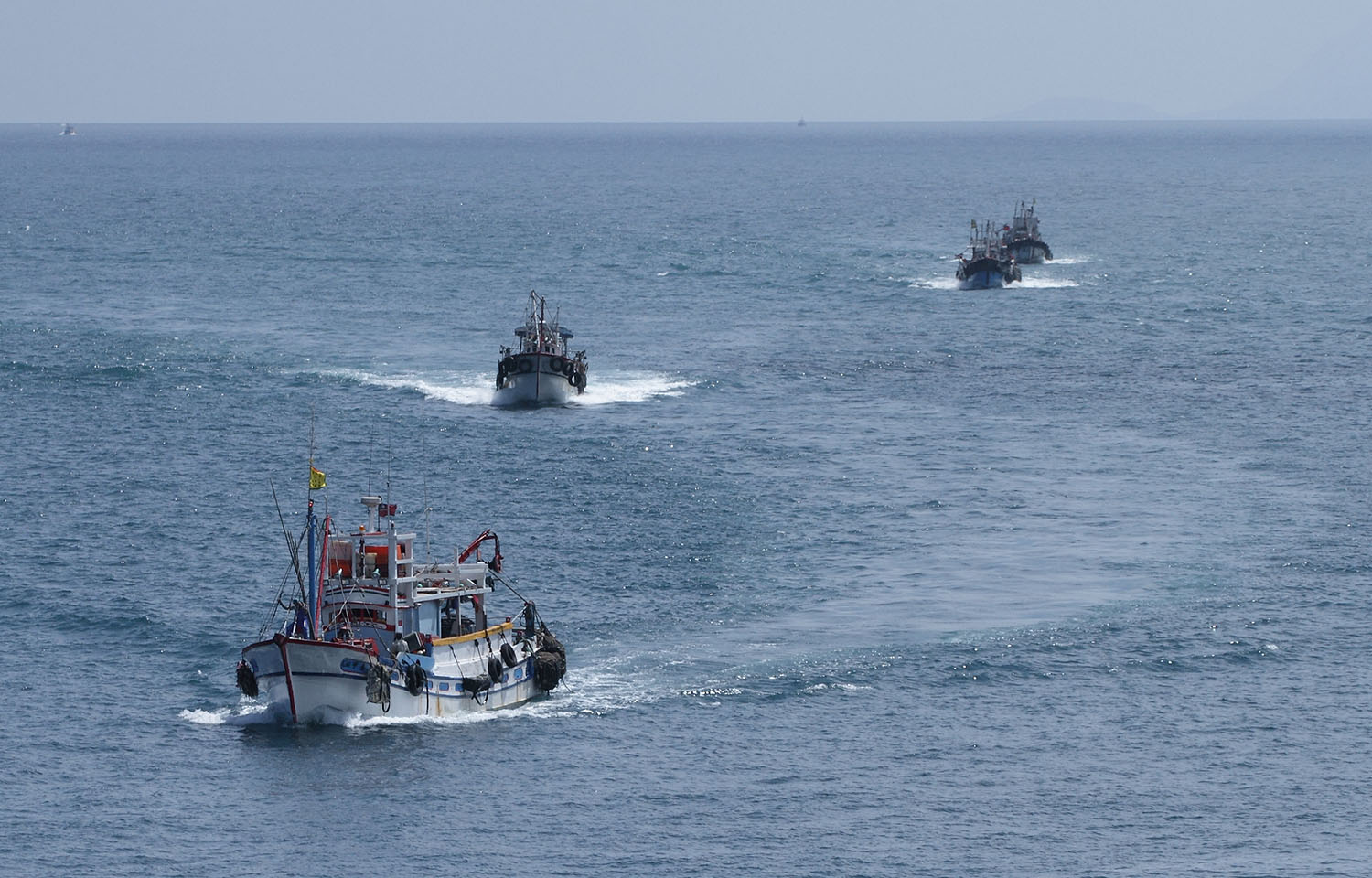
Rosenbaum said the rights of migrant workers in both countries should be considered when the State Department makes its report and that both countries have been subject to concerns related to the treatment of migrant fishers on board distant-water vessels, according to GLJ. The NGO has organized the Wi-Fi NOW For Fishers’ Rights Campaign, which has protested a lack of access to Wi-Fi on board fishing vessels in Taiwan.
“Migrant fishers in the Taiwanese fleet continue to be completely cut off from the outside world while spending up to 10 months at sea,” Indonesian Seafarers’ Gathering Chair Ahmed Mudzakir said. “Access to Wi-Fi is crucial for safeguarding workers' rights, preventing forced labor, and preserving the mental well-being of workers on the open sea.”
Calls for more transparency in Taiwan’s seafood sector have persisted for years, with labor rights groups like Greenpeace documenting issues on distant-water fishing vessels, which GLJ has asserted Wi-Fi can help alleviate.
“The Taiwanese and American governments have pledged to tackle forced labor as part of the trade initiative prioritizing worker welfare,” Taiwan Association for Human Rights Secretary General Yi-Hsiang Shih said. “They should consider access to Wi-Fi as an indicator of significant advancements in promoting freedom of association and preventing forced labor among migrant fishers.”
The GLJ said that Thailand should have also been lowered to the Tier 2 Watchlist level, which is one step below Tier 2, for Thailand’s laws banning migrant workers from forming labor unions.
“It is discouraging to see the U.S. maintain its current TIP ranking on Thailand because many workers – particularly migrants in the seafood and fisheries sectors – experience horrific working conditions and severe health and safety risks,” International Transport Workers Federation Fisheries Section Coordinator Rossen Karavatchev said in a release.
Karavatchev said migrant workers in Thailand are often pressured into severe debt bondage, threatened with arrest if they try to change employers, and are not allowed to change employers freely.
“When these workers try to stand up for their fundamental human rights, many are threatened by their employers, blacklisted, or forcibly deported,” Karavatchev said.
Karavatchev added that Thailand’s proposed rollback of its fisheries reforms would worsen labor conditions.
“Not downgrading Thailand is a missed opportunity to highlight the major labor abuse happening in Thailand and pressure the government to take action,” Karavatchev said.
Elsewhere in the latest TIP report, Algeria, Chad, Curacao, Equatorial Guinea, and Guinea-Bissau were all upgraded from Tier 3 to Tier 2 Watchlist. Two countries were downgraded into Tier 3: Brunei went from the Tier 2 Watchlist to Tier 3 after being briefly upgraded in 2023, while Sudan dropped from Tier 2 down to Tier 3.
Another notable seafood-harvesting country, Vietnam, was upgraded to Tier 2 from the Tier 2 watchlist. Multiple countries – South Korea, Poland, and Suriname – all managed to reach the Tier 1 list from their previous Tier 2 position.
