




Iberian sardine fishing fleets from Spain and Portugal have regained Marine Stewardship Council certification after over a decade of work.
The MSC certification for the sardine purse-seine fishery was first suspended in 2012, just over one year after the fishery had first earned the right to carry the label. An audit in December 2011 found the fishery lacked the necessary harvest controls and that fishing mortality had increased since 2008, while the spawning stock biomass had decreased since 2006, according to the MSC at the time.
The fishery regained its certification again in January 2013, then lost it again in 2014 over challenges to stock management.
“Since then, significant improvements have been made, notably the new multi-annual management plan, valid until 2026, agreed in 2021 between Portugal and Spain,” the MSC said in the release announcing the recertification of the fishery. “This plan regulates annual catches, closed season periods, and limits on juvenile fishing, among other measures, to ensure sustainable and coordinated management of this shared resource.”
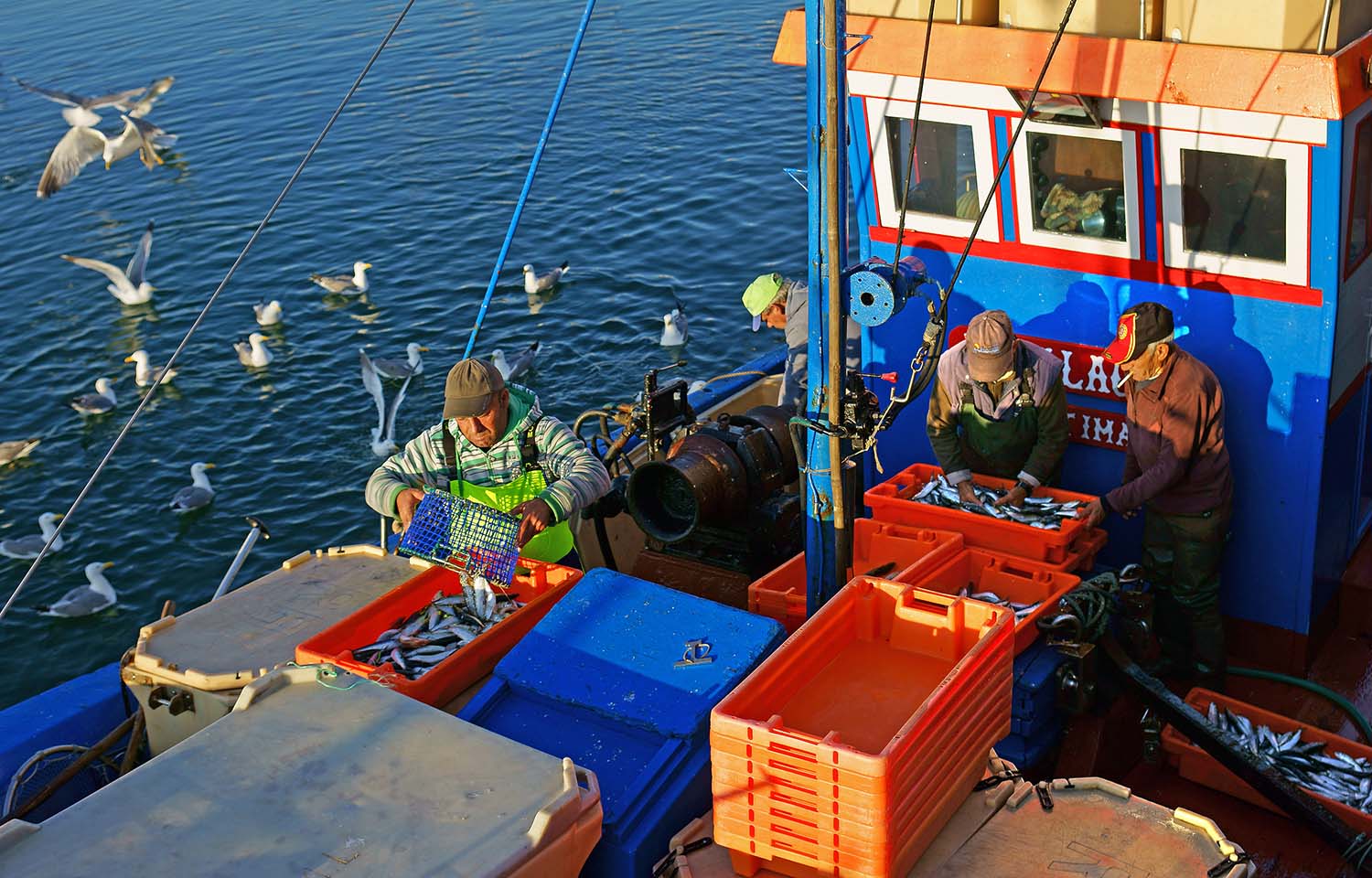
Included in the certification are 317 total fishing vessels, including 132 Portuguese vessels and 185 Spanish vessels, which are further represented by 15 fisheries producer organizations from Spain and Portugal.
The Portuguese vessels are targeting a 34,406 metric ton (MT) quota of Iberian sardine in 2025, while Spain will target 17,332 MT. The fishing season began in March in Spain and will last until either August or September, while Portugal’s fishing season began in April and ends in November or December.
“Congratulations to the entire Spanish and Portuguese fleet on this remarkable achievement. The fleet had to recover a stock that was in a very difficult state, and they showed great vision in doing so,” MSC Spain and Portugal Program Director Alberto Martin said. “This required significant sacrifices, such as reducing fishing effort, and the development of new tools including a management plan and precautionary catch control rules.”
Martin said the new measures have helped improve the state of the sardine stock, which is in better shape than it was on 2011 when it was first certified.
“Furthermore, the fleet is now much better prepared to respond to changes in the stock and to ensure that sardines remain sustainable in the future,” Martin said. “I hope the markets will now recognize and reward this ongoing commitment to sustainability.”
