


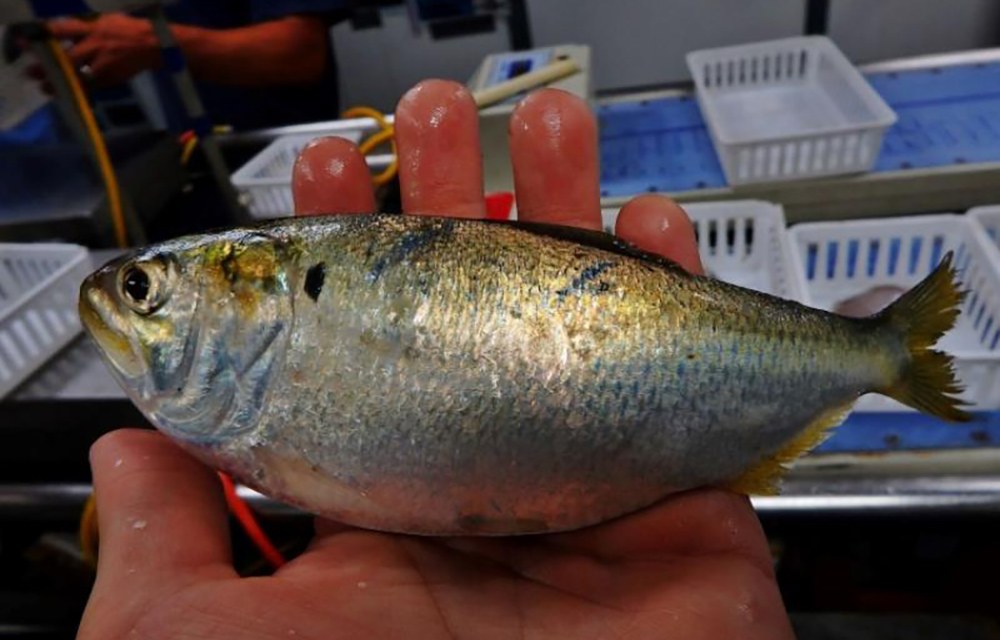
A new study on bycatch in Louisiana's commercial menhaden fishery is largely being welcomed by the state's fishing industry, who claim it shows the fishery “is sustainable, selective, and not a threat to red drum populations.”
"This study should put to rest the misinformation that's too often circulated about this fishery," Menhaden Fisheries Coalition spokesperson Bob Vanasse said in a statement. "This independent science reaffirms what we've always said: The Gulf menhaden fishery is guided by data, not politics or guesswork.”
Produced by LGL Ecological Research Associates on behalf of the Louisiana state government, the study of the 2024 season found that commercial harvesting of menhaden – also referred to as pogies – accounted for only 3.4 percent of red drum removals in the state. The recreational fishing sector represented 96 percent of red drum removals.
According to the Louisiana Department of Fish and Wildlife, total bycatch in the commercial menhaden fishery is roughly 3.6 percent by weight – below the state’s 5 percent threshold. The study estimated 145,095 fish caught as bycatch, including 26,847 crownose ray, 26,752 red drum, 18,680 black drum, 13,809 gafftopsail catfish, and 10,525 crevalle jack.
The Menhaden Fisheries Coalition also said that the commercial fleet voluntarily adopted a hose-end cage design in 2025, which will further reduce bycatch mortality.
"At Ocean Harvesters, we've always believed that good science leads to better fishing," Ocean Harvesters representative Ben Landry said in a statement. "This study confirmed much of what we've seen firsthand – high survival rates when fish remain in the net and real gains from gear improvements. We didn't wait to act. As soon as the science came in, we upgraded our entire fleet's gear to reflect the findings. It's another step forward in our longstanding commitment to responsible, sustainable fishing."
“These findings must inform any future regulatory decisions,” Vanasse said. “This is a model of how transparency, swift industry action, and investment in better gear deliver real conservation gains without compromising coastal jobs or economies."
The Menhaden Fisheries Coalition said the report “directly rebuts claims that commercial menhaden fishing is a major driver of red drum mortality;” however, conservationists still expressed concern over the report’s findings and the fishery’s impact on forage fish species.
“This very thorough examination of the pogy industry is the best science gathered to date on the effects of the extensive industrial fishing on fish like redfish, black drum, white trout, croaker, and many other important gamefish and sportfish and the food they eat,” said Chris Macaluso, director of the Center for Fisheries and Mississippi River Programs for the Theodore Roosevelt Conservation Partnership (TRCP). “The results are concerning, especially given the efforts underway for the last year to make Louisiana’s redfish population healthier by ending the recreational harvest of large, breeding size redfish.”
TRCP noted that 22,000 breeding-size redfish were taken as bycatch in 2024. Last year, the state banned recreational anglers from taking bull redfish in an effort to help rebuild the population, leading to frustration from charter boat businesses.
“Charter captains’ conflicts with the menhaden purse seining boats aren’t just about places to fish but also the redfish and other sportfish and forage fish being killed, which our members, unfortunately, often see firsthand,” Louisiana Charter Boat Association CEO Richard Fischer said in a statement. “The number of redfish killed annually is especially concerning since recreational fishermen have seen limits reduced and have ended the harvest of breeding-sized redfish in Louisiana to help strengthen redfish populations.”
