






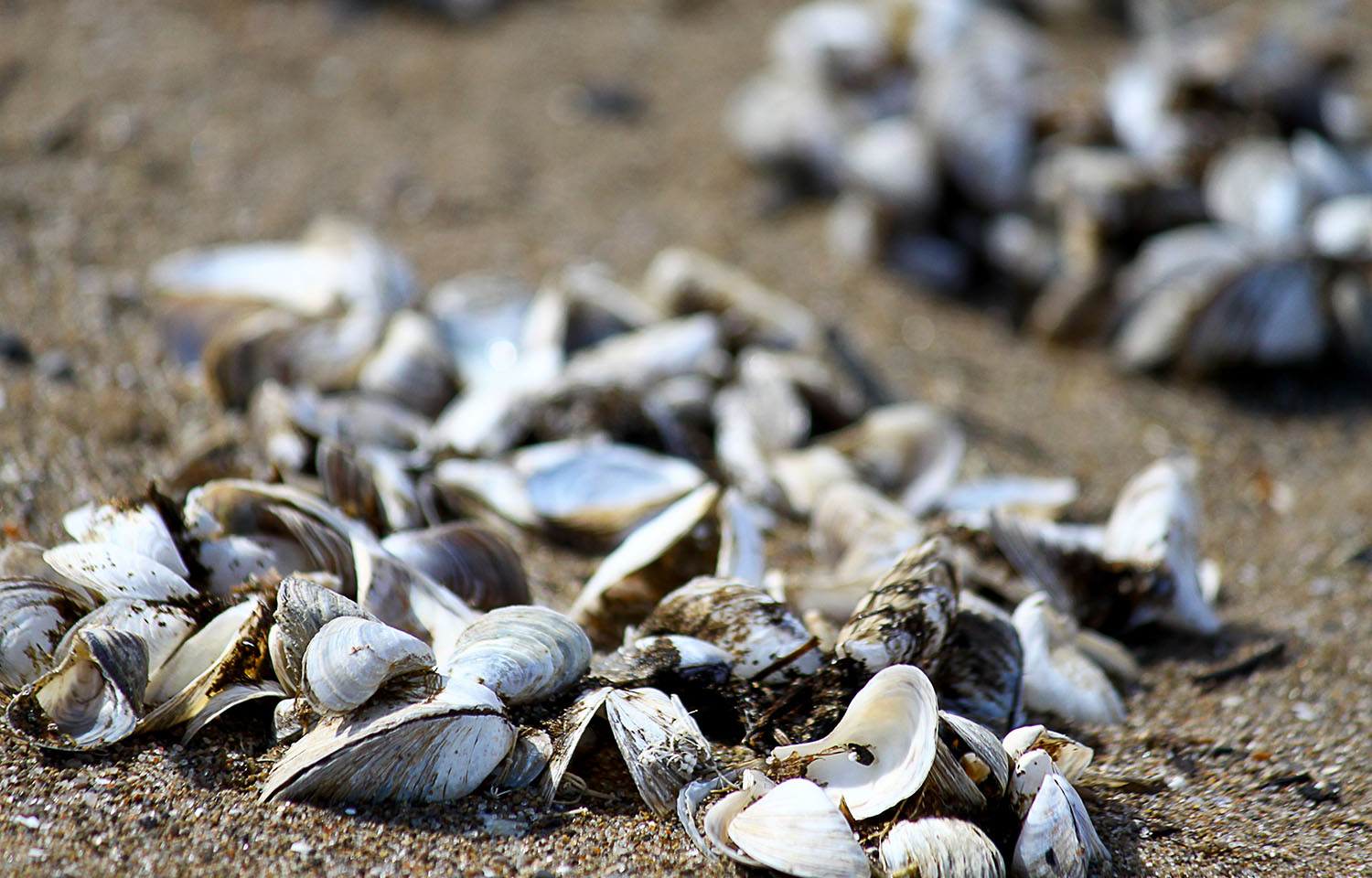
A pair of lawmakers from the U.S. state of Michigan are planning to ask U.S. Congress for USD 500 million (EUR 431 million) in federal funding to address invasive mussels in the Great Lakes, which experts say pose a threat to the region’s whitefish populations.
U.S. Representative Debbie Dingell (D-Michigan) told local news publication Bridge Michigan that she and fellow legislator U.S. Rep. Tim Walberg (R-Michigan) are planning to introduce the Save Great Lakes Fish Act of 2025, which would increase funding for research on mussel control to USD 500 million over the course of a decade.
The bill is a “bipartisan effort to combat the spread of invasive mussels, protect the health of our fisheries, and ensure that future generations of Michiganders can enjoy this national treasure,” Dingell said.
Originating in Europe, invasive quagga and zebra mussels first appeared in the Great Lakes in the 1980s and quickly settled in and spread across the bottoms of the lakes. According to the University of California Riverside’s Center for Invasive Species Research, the mussels can have “catastrophic impacts in the ecosystems in which they have established.”
“The encrusting of lake and river bottoms can displace native aquatic arthropods that need soft sediments for burrowing,” the center noted. “In the Great Lakes, this led to the collapse of amphipod populations that fish rely on for food, and the health of fish populations has been severely affected.”
Despite that threat, the federal government has provided just USD 1 million (EUR 861,017) in annual funding to address the issue, Bridge Michigan found.
The Great Lakes have been threatened by a host of invasive species – from devastating lampreys to Asian carp. The latter of which has not reached the Great Lakes basin yet, but its steady northward progression through America’s waterways has concerned state and federal officials.
The Michigan and Illinois state governments – in partnership with the Army Corps of Engineers – are currently building “a complex series of invasive carp and aquatic nuisance species deterrents” to stop carp from advancing past Joliet, Illinois, and into the lakes. After meeting with Michigan Governor Gretchen Whitmer earlier this year, U.S. President Donald Trump ordered the federal government to prioritize stopping the invasive carp from reaching the Great Lakes.
