


The Marine Stewardship Council (MSC) recently reported that 90 percent of U.S. fisheries by volume are MSC-certified, giving the country the top rank for environmentally sustainable fisheries globally.
“MSC is proud to partner with U.S. fisheries that have a longstanding commitment to sustainability and the protection of our country's marine resources,” MSC Program Director in the U.S. Laura McDearis said in a release. “As demonstrated by the 90 percent of U.S. fishery landings by volume that are certified to MSC's rigorous requirements for environmentally sustainable fishing, the leadership and great work of our U.S. partners can't be understated. MSC certification validates U.S. fisheries' dedication to ensuring the long-term health of our ocean and sets an example for countries around the globe to follow.”
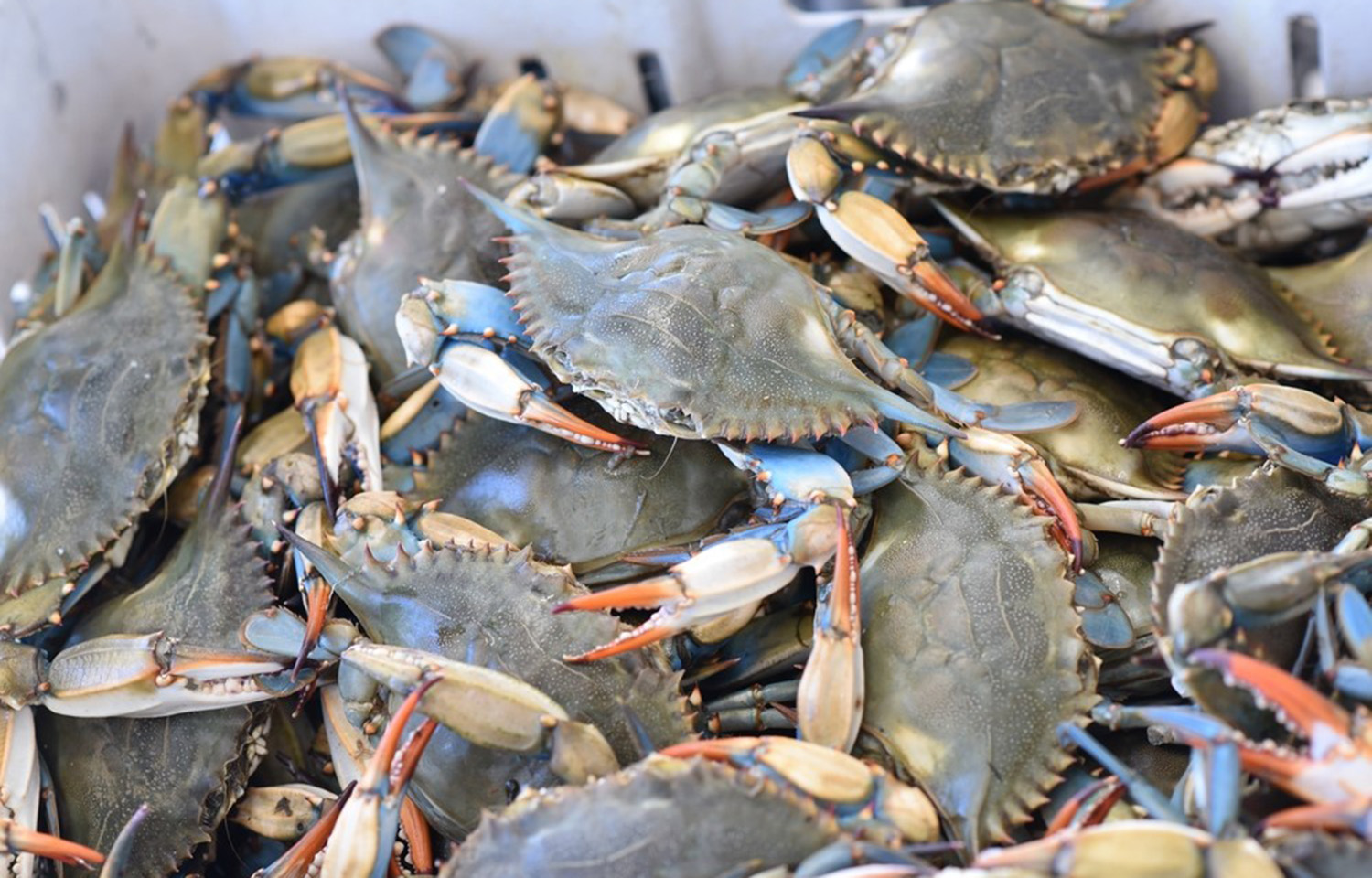
Other achievements the MSC reported the U.S. has secured include the certification of 62 species and the availability of 1,300 MSC eco-labeled products across all 50 states. The MSC has also finished long-term projects in Alaska and recertified menhaden purse seine fisheries in the Gulf and Atlantic Ocean. Additionally, the U.S. Atlantic summer flounder and black sea bass trawl fisheries have become MSC-certified, while the Pacific hake and Louisiana blue crab fisheries reached a decade of continuous certification.
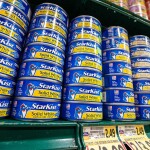
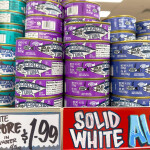
MSC-certified products also grew 8 percent in U.S. grocery store shelves from 2024 to 2025, with key retailers like Aldi, ShopRite, and Walmart clearly identifying and selling MSC-certified seafood products in store., the certification body said.
"At Wakefern, partnering with MSC has allowed us to create valuable communications tools that help consumers navigate the sustainable seafood options we offer at ShopRite and Price Rite stores," Alexandra Emery, the manager of sustainability and corporate social responsibility at retailer-owned cooperative Wakefern Food, said in a testimonial. "Our Bowl & Basket and Wholesome Pantry frozen products, like wild-caught scallops and flounder fillets, are also MSC-certified, allowing consumers to shop sustainably and responsibly from our store brand product lines."
Despite all the progress, MSC’s research found that U.S. fisheries still face several challenges, including shifting and extreme weather patterns, with warming waters leading to extreme distribution patterns of fish.
It added that MSC certification helps to ensure the sustainability of species affected by these challenges.
"Sustainable wild fisheries are essential to American fishing communities and a resilient, productive ocean, offering a renewable, low-carbon source of nutritious protein,” the MSC said. “The growing commitment from fisheries and the marketplace to the MSC program reflects a shared vision for that future."
MSC’s statement praising the U.S. as a leader in sustainability comes shortly after a coalition of nonprofits, fishing organizations, and tribal groups doled out criticism of the council for recertifying the Bering Sea Aleutian Islands and Gulf of Alaska flatfish fisheries. Those groups claimed MSC’s recertification process lacked transparency and didn’t engage enough stakeholders.
"At best, MSC’s certification of the Amendment 80 fleet raises serious questions about how sustainability is defined. At worst, it enables greenwashing by giving industrial trawling a pass while ecosystems and coastal communities pay the price,” Bering Sea Fisherman’s Association Executive Director Karen Gillis said. “When industrial trawl fleets receive sustainability labels while small-scale fishermen and subsistence users bear the consequences, the system is failing the very people and ecosystems it claims to protect.”
Both MSC and the Groundfish Forum – a trade group representing trawl catcher-processors in Alaska – quickly pushed back on those allegations, arguing that its accusers made inaccurate claims and were, in fact, aware of the recertification process.
"The recent press release by SalmonState and others disparaging the recertification of Alaska Flatfish by the MSC contains falsehoods, numerous factual errors, and misrepresentations about the sustainability of the Alaska flatfish fishery and the MSC certification process,” Groundfish Forum said. “SalmonState’s claim that they were ‘unaware’ defies believability.”
