



A new suite of research led by the Marine Stewardship Council has found fisheries targeting tuna species are at the most risk from the impacts of climate change.
The research paper, “Climate change risks to future sustainable fishing using global seafood ecolabel data,” was recently published in Cell Reports Sustainability and reviewed more than 500 fisheries around the world with a sustainability certification. The study examined species under multiple gear types and species, including whitefish, krill, lobster, and tuna.
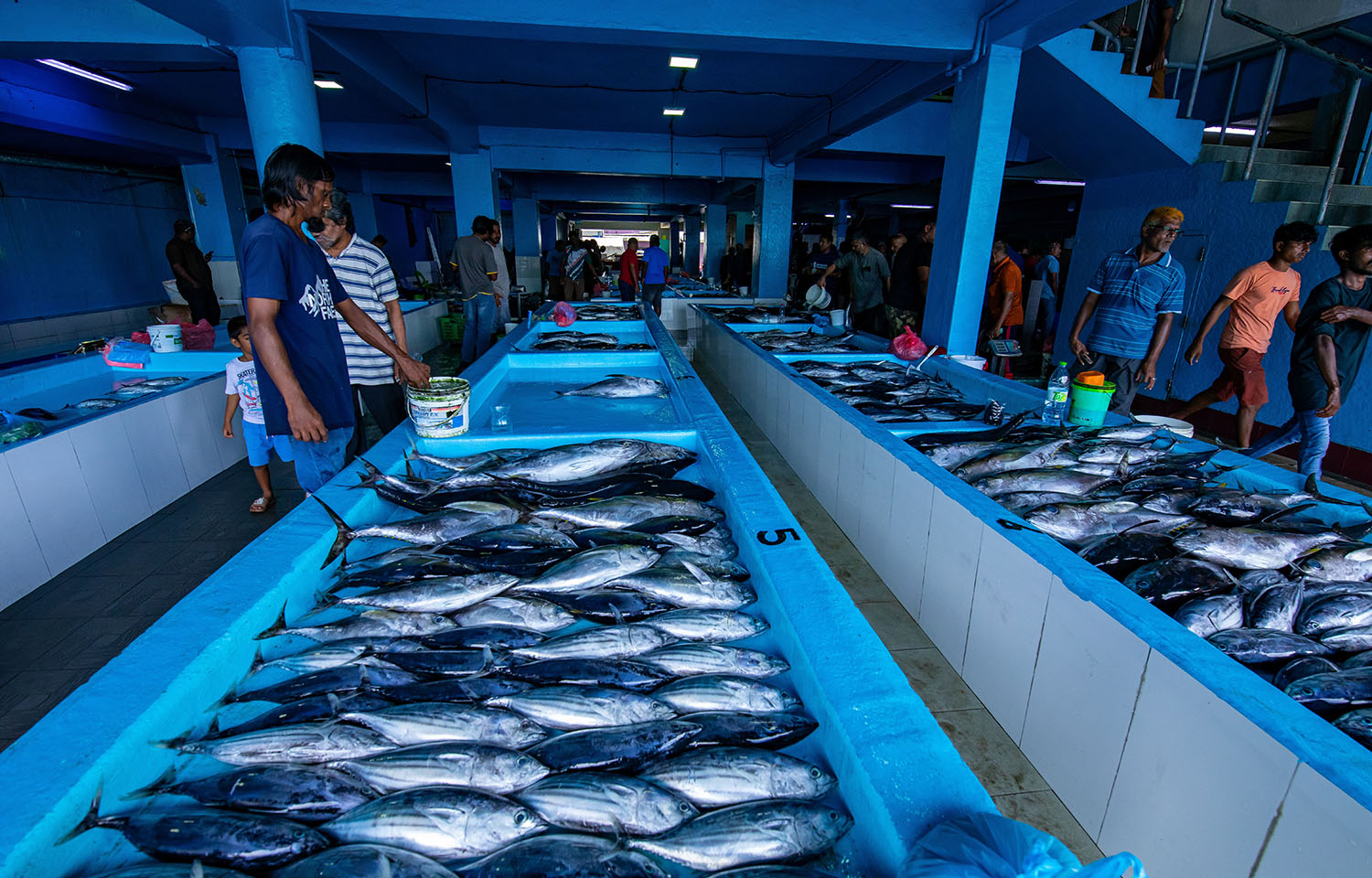
That research identified fisheries with highly migratory species were the most at risk from climate change – with tuna coming in as the species category with the highest risks.
“The effects of climate change are causing all types of species to alter their behaviour. Fish are moving to new and different locations and as a result existing agreements between countries quickly become obsolete because the fish stocks have moved,” MSC Data Science Manager Lauren Koerner, who was the lead author on the report, said in a release.
According to the paper, migratory species are changing their routes to areas with cooler water as portions of the ocean warm. Atlantic bluefin, it said, is returning to waters near the United Kingdom despite disappearing from the region decades ago. Pacific tunas are also moving to new areas, moving from western regions to eastern ones. As those fish move, stocks can begin to fall under different management areas.
“We have seen fisheries adapting their approach to remain sustainable, but it is becoming more and more challenging to do so without the support of fisheries management organisations which are responsive to the challenges of climate change,” Koerner said.
Regional fishery management organizations (RFMOs) like the Western and Central Pacific Fisheries Commission cover specific areas of the ocean with designated members states. As economically important stocks like tuna begin to move across the boundaries between those RFMOs, management issues may start to crop up – which in turn can result in political wrangling between member states of the organization.
“As tuna appear in new jurisdictions, or in the high seas, they move into areas of the ocean governed by different countries and subject to different regulations,” MSC said.
Some countries may see new tuna fisheries that offer economic benefits, while others – especially small developing island states – the loss of a key economic driver could devastate communities.
"It is important for governments and the five tuna regional fisheries management organisations that manage tuna fisheries on the high seas to work closely together to stay ahead of the changes to protect livelihoods and regional food security,” Common Oceans Tuna Project Manager Joe Zelasney said in a release.
The study looked at other species groups as well, and found that pelagic species like mackerel, herring, capelin, and blue whiting are the second-most vulnerable to climate change risks.
That vulnerability is evident in the latest International Council for the Exploration of the Seas (ICES) advice for Northeast Atlantic pelagic species, which has worried the fishing industry that depends upon those stocks.
That advice suggested big cuts in multiple pelagic species, in a region that has struggled to agree to sustainable quotas for years and is still embroiled in political wrangling over access to the pelagic fishery.
As that wrangling is ongoing, the problems causing some of those issues will continue.
“Climate change shows no signs of slowing and global demand for seafood continues to rise,” Koerner said. “Governments and fisheries management organisations need to adapt their practices to keep pace and ensure our oceans remain healthy.”
