






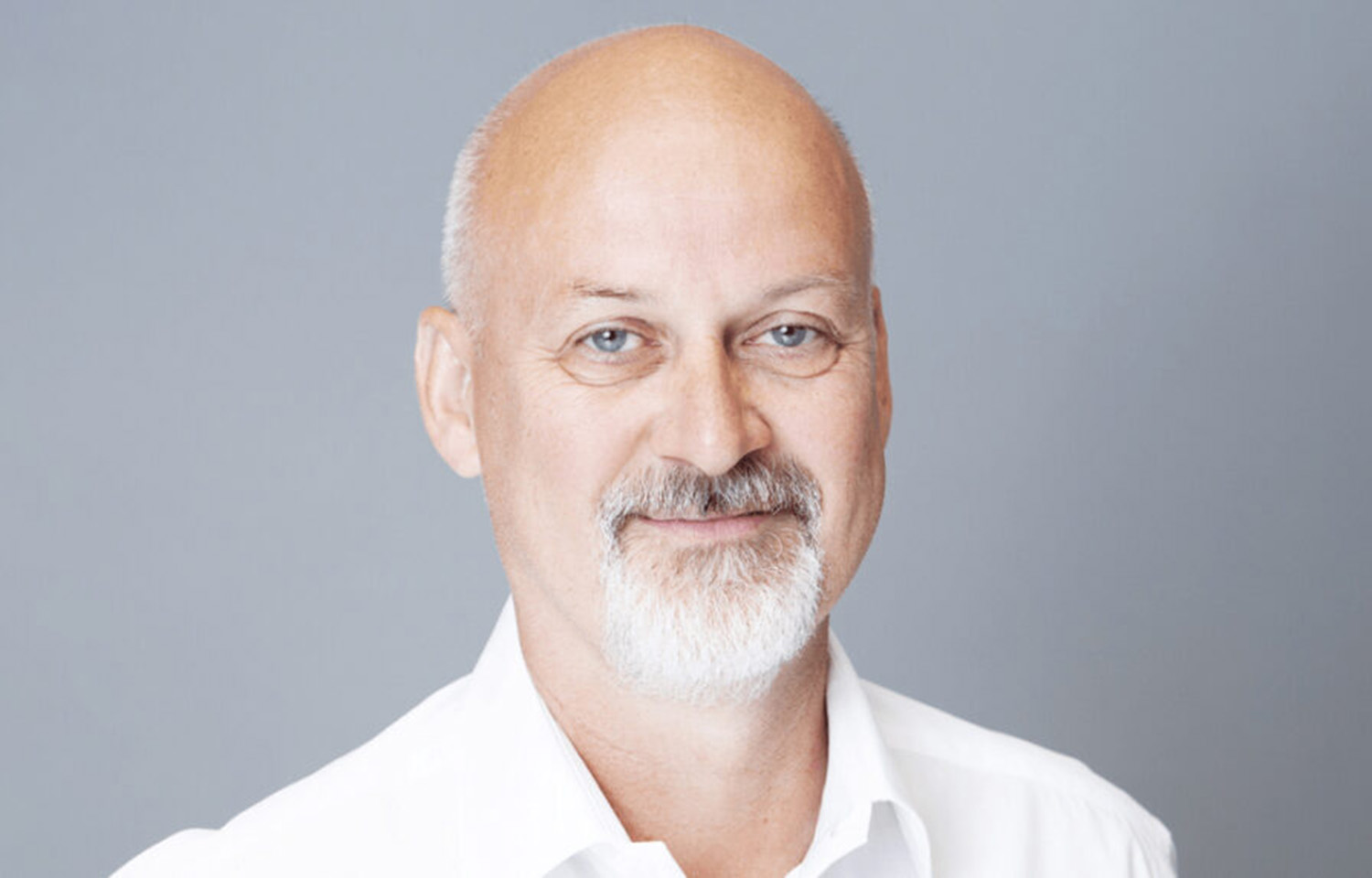
Global conservation organization Ocean Wise recently launched its new campaign, “Invest in the Ocean,” as a call for action to the world’s governments and industries – with a particular focus on Canada – to invest in ocean conservation and sustainability solutions.
Ocean Wise CEO Lasse Gustavsson told SeafoodSource it’s also a call to action to secure the future of food production and fisheries amid the impacts of climate change.
Ocean Wise got its start in 1951 and works to address a range of issues affecting the ocean including pollution, overfishing, and climate change. Gustavsson said the latest campaign continues that work and that the seafood industry is a central player in it.
“This is not excluding the industry at all. Ocean Wise is an ocean conservation group; we are working on developing and executing solutions for overfishing, for pollution, and for climate change, and we are a pro-fishing conservation group in the sense that we would like our fisheries to be managed and our oceans to be managed so that we can eat more fish in the future,” he said.
Gustavsson said there are already efforts underway in fisheries across the world to enhance management, which can in turn increase the productivity of fisheries. However, he said there needs to be a greater focus on the potential of the ocean in the long term.
“If you look at the investment, or lack thereof, in rebuilding fish stocks in Canada, for instance, we have legislation in place but it’s not moving as fast as it should,” he said.
Gustavsson has had experience attempting to achieve these goals before. He commissioned a study in Spain nearly a decade ago that asked fisheries biologists to analyze what the overall productivity of Europe’s waters could be if those fisheries were managed to maximum sustainable yields (MSY).
“How much fish could we have in European waters if we actually fished at the real MSY – the genuine and not the politicized?” Gustavsson said. “How much fish could we have?”
Gustavsson said the result of that study found if countries across Europe all agreed to fish at the biological MSY without compromising for political wrangling, after just 10 years, the output of Europe’s fisheries could increase by as much as 60 percent.
He said that study found increasing yields by 60 percent required three things: catch limits based on scientific advice, not political compromise; protection of essential fish habits; and stopping the most destructive fishing technologies.
Gustavsson said if those steps are taken, fisheries would generate more money and more jobs and would increase healthy food available to people while maintaining sustainable fishing stocks.
Gustavsson said that the “Invest in the Ocean” campaign is, in many ways, a campaign considering the ocean like other investments; if countries and people place money and effort into it, it will generate a return on that investment with benefits greater than what is put in.
“We think about climate regulation, we think about oxygen production, and we think about food. There are 3 billion people around this globe who are depending on fish and seafood for important protein. It’s an industry that needs to grow but from a responsible approach,” he said.
Gustavsson said one way that the industry and society can do that is by helping consumers diversify their eating habits when it comes to seafood. He said some countries, like Spain, tend to eat a wider range of species and consume fish lower down in the trophic levels. With the right effort in educating people, it won’t be perceived as some kind of burden to do so, he said.
“My favorite is mussels – blue mussels, which are easy and cheap, and if you’re lucky, you get a glass of wine on the side. It’s really not a sacrifice!” he said.
Gustavsson said Ocean Wise is currently focused on British Columbia, Canada, but that it is expanding to other parts of the country, as well as to the U.S.
The new campaign will run ads across a range of different media channels, asking people to focus on how protecting the ocean can help fight global problems like climate change.
Gustavsson said the current level of investment in the ocean is far below where it needs to be for the world to meet the United Nations' Sustainable Development Goal (SDG) 14 – Life Under Water. SDG 14 was created in 2015, and he said right now, the world is well behind funding the work it will take to meet that goal.
“SDG 14 is the least funded of all the SDGs. There’s scientific evidence that we need to invest around USD 175 billion [EUR 150 billion] to rebuild the oceans, not only for fisheries but for plant life, for oxygen, and for biodiversity,” Gustavsson said. “The current investment level is at around USD 25 billion [EUR 21 billion].”
He said while that number sounds high, it’s effectively just 0.18 percent of the global GDP and the world has managed to invest USD 1 trillion (EUR 858 billion) in fossil fuel production.
Despite the challenges facing the world’s oceans, Gustavsson said he can see things moving in the right direction. He said he spent time recently at Climate Week in New York City, and people are “slowly waking up” to the importance of the ocean to global issues.
“They are slowly waking up to the fact that the ocean is the most important planet regulator we have, and investments in the ocean – whether that’s your time, your activities, or your money – are important not only for the ocean and the wildlife in the ocean but also for everybody,” he said. “I’ve been in this space for a long time, 30 years, and I’ve never been more optimistic than I am right now.”
