


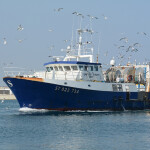

Just four of the 30 largest tuna-fishing companies in the world disclose their catch data, and more than half of these companies’ catches are completely untraceable, according to a new report compiled by nonprofit financial think tank Planet Tracker.
Planet Tracker’s study, “Tuna Turner: Investors Must Turn Up Transparency in the Tuna Industry,” references Global Fishing Watch data to determine catch volumes by species and region for 2,153 industrial vessels fishing tuna globally, attempting to fill the gaps left by the undisclosed data.
The study found that the aforementioned 30 companies are responsible for around 46 percent of global tuna catch annually and mainly comprise Spanish, Korean, Chinese, and Japanese firms.
Additionally, just one of the 30 companies – Bolton Group – discloses data on the species caught, location, catch methods, and certification levels of its tuna catch, according to Planet Tracker.
Since most of the companies don’t disclose their catch, the organization’s study relied on satellite signals to create estimates for each firm on a vessel-by-vessel basis.
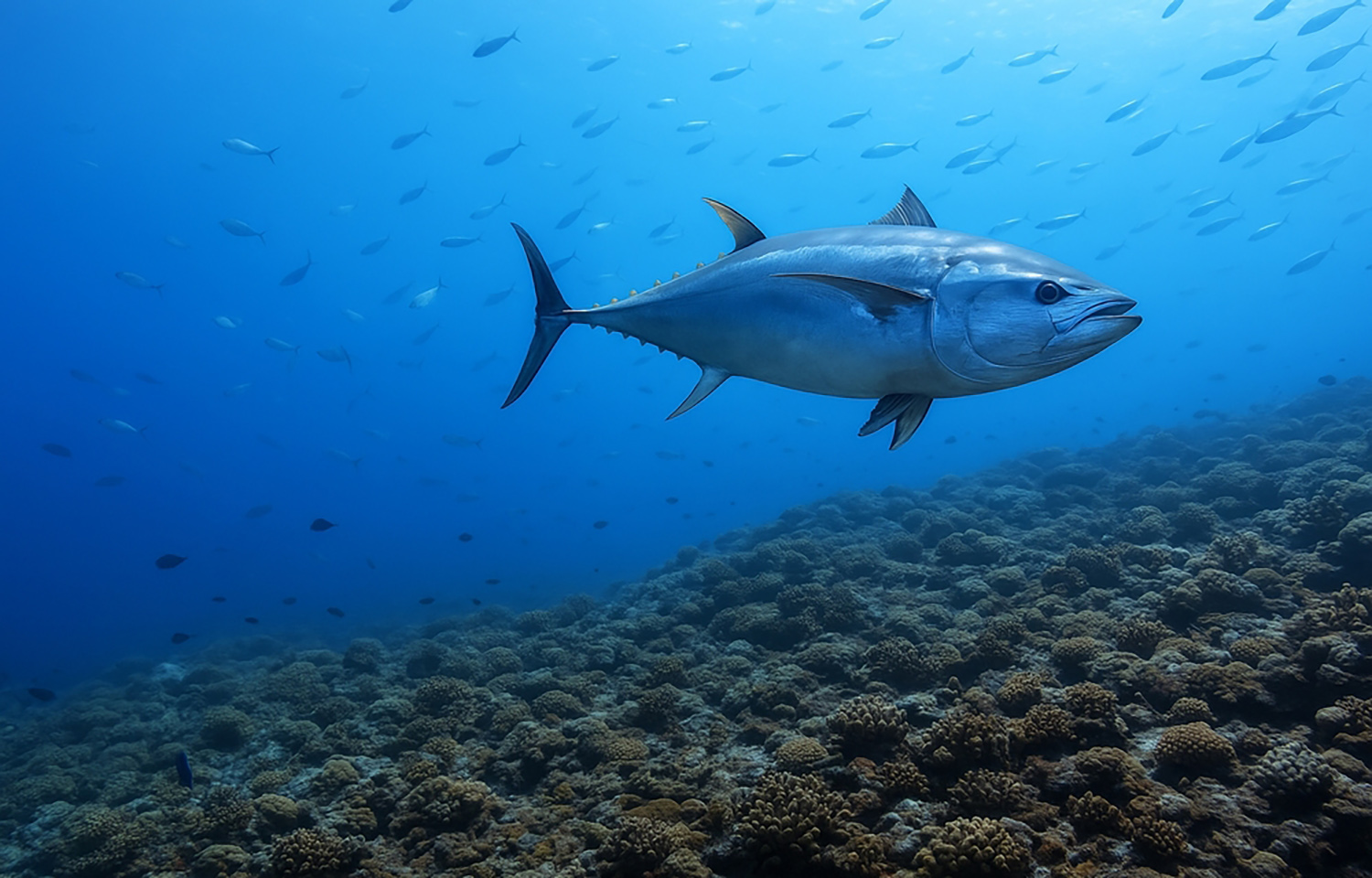
Through the study, Planet Tracker argued that without knowing what, where, and how much top companies fish, investors cannot know which of them are most exposed to sustainability risks, and even though most tuna stocks remain sustainable now, biomass has declined by 40 percent to 80 percent globally.
“If we cannot identify which companies catch these species, it is more difficult to engage with them and to support them in coming up with a plan to reduce their impact,” Planet Tracker Head of Nature Francois Mosnier told SeafoodSource.
Mosnier also said that while these companies don’t state why they obfuscate their catch data, he believes it’s because it is not mandatory and that investors don’t tend to ask for this data.
To entice investors to do so, Tuna Turner emphasizes that better data could improve profits and valuations in the industry by an average of 0.6 percent and 1 percent, respectively, within five years.
“Automatic identification system [AIS] data allows us to observe where a given company’s fleet fishes. Its deactivation prevents noticing any breach of regulation (e.g., via IUU fishing) and also estimating actual fishing activity,” Mosnier said. “When tuna catch is not publicly tracked, we can’t know the impact or the reliance of a given company on overfished stocks or threatened species. That leaves revenue at risk for the companies and could prevent traceability further down the supply chain. Opaque beneficial ownership structures using shell companies based in tax havens also results in lost tax and, therefore, government revenue.”
Conversely, he insisted that better transparency is crucial to help investors understand the exact risks their portfolios are exposed to and distinguish good behavior from bad behavior.
“The risk is to invest in a business whose main driver is unknown and subject to sustainability and legal risks,” he said.
Planet Tracker is urging investors to demand full disclosure from tuna companies on catch data and AIS compliance as a baseline for responsible investment, but so far, there has been no response from the 30 companies or their connected seafood supply chains to the report, Mosnier said.
