






E.U.-funded European fisheries research project SEAwise has released the last films in its four-part documentary series about research it has been conducting on the viability of Ecosystems Based Fisheries Management (EBFM) in Europe since 2020.
SEAwise said the films showcase EBFM’s ability to respond to the interconnected challenges of today’s marine environments.
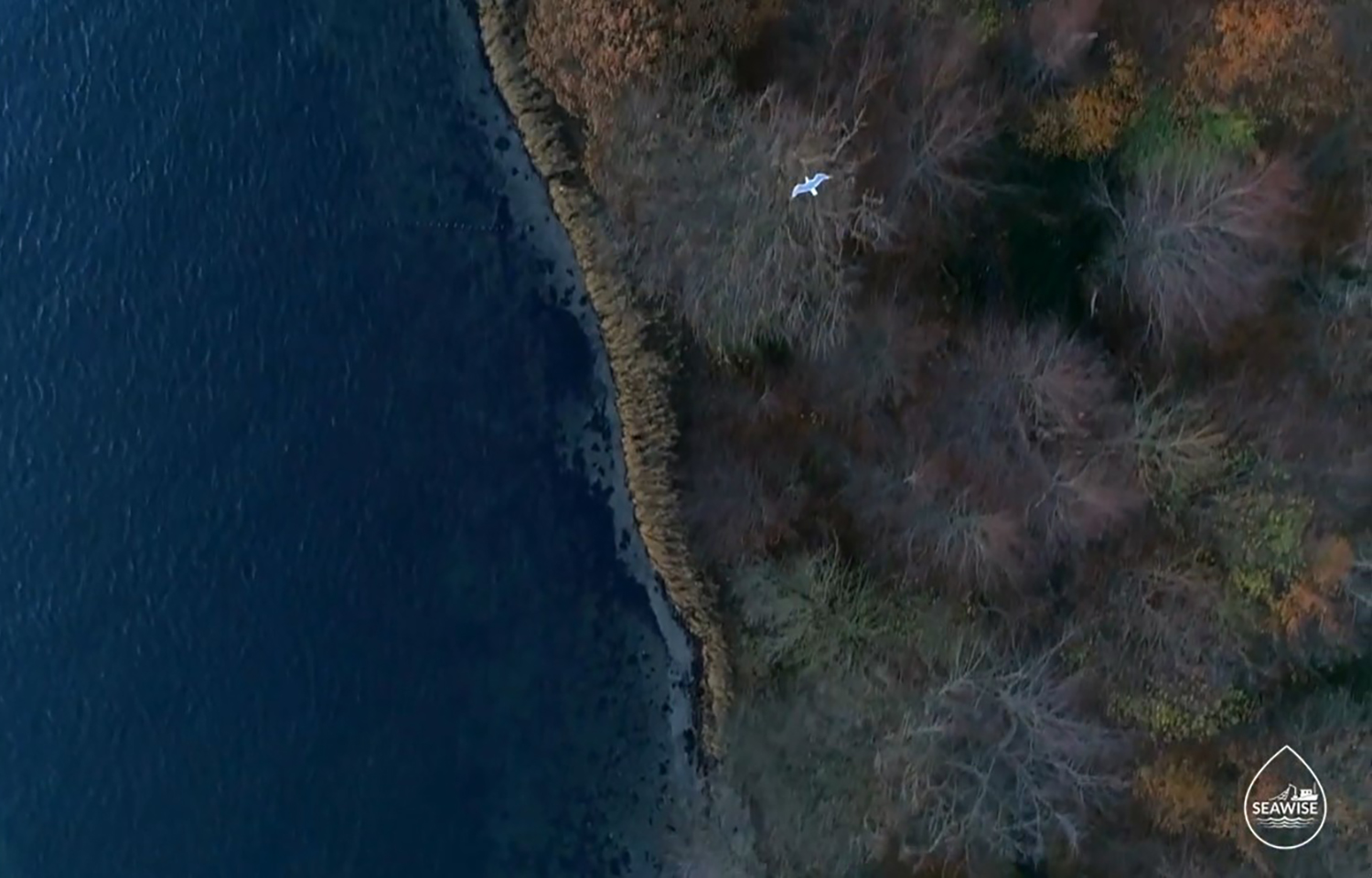
The first film, a case study of the Baltic Sea, makes the case for EBFM in a marine region that is changing rapidly thanks to various forces, including fishing and eutrophication, the process by which nitrogen from runoff produces rapid algal growth. SEAwise Baltic Case Study lead Stefan Neuenfeldt said restoration of the Baltic Sea will require “more than just fisheries management, it needs broader societal action from tourists, from farmers, fishers, to the shipping industry.”
The second film, which documents the work done by SEAwise in its Mediterranean Sea case study, brings together Italian and Greek experts to share their views on how conservation goals can be balanced with the social and economic needs of people who have a stake in the world’s oceans.
Eastern Ionian Sea Case Study Lead at the Hellenic Centre for Marine Research Dr. Vassiliki (Celia) Vassilopoulou, said that navigating these pressures requires stakeholders to collaborate and align around EBFM approaches to create “a unified pressure for change.”
Only such pressure from those who rely on our oceans, she said, will “trigger a political and institutional response” to implement EBFM in Greece’s marine areas.
The third film, which records work done by SEAwise in its North Sea Case Study, explores complex interconnections between the social and political world and ecological systems. In it, researchers explored new ways to manage fisheries by co-designing management plans with fishing industry stakeholders, NGOs, and scientists, along with support from the EU’s Advisory Councils.
The film argues for the importance of stakeholder input in fisheries management, and depicts how such input changed management of the North Sea.
North Sea Advisory Council (NSAC) Executive Secretary Tamara Talevska said that the film highlights how EBFM works in practice.
“This is key to convincing and motivating managers to embark on this pivot to a more holistic management,” Talevska said. “It's important that we ensure this space for stakeholders to discuss and negotiate trade-offs and make decisions that are inclusive and fair.”
