






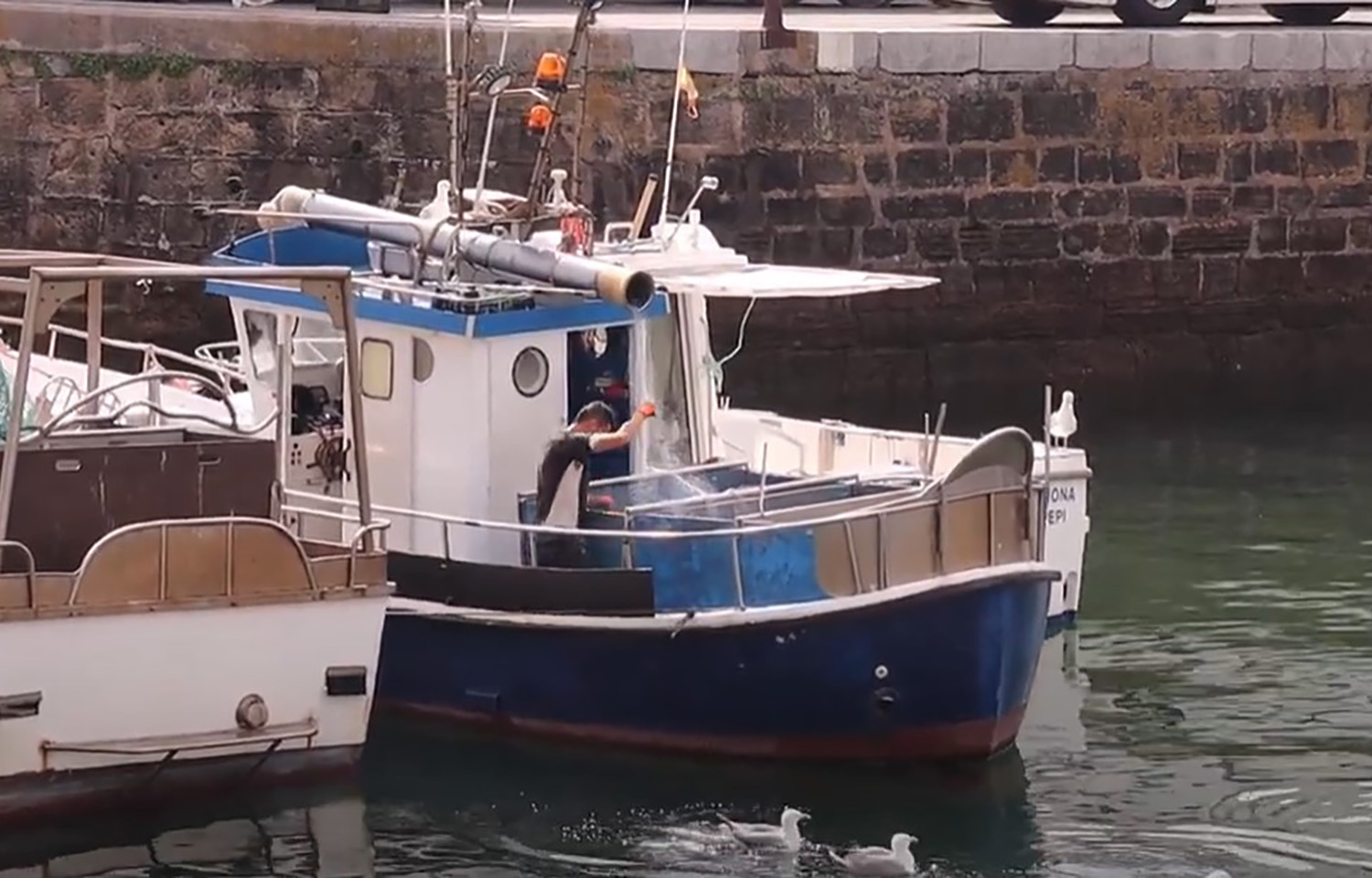
E.U.-funded interdisciplinary research project SEAwise, which has been studying European fisheries since 2020, has released a four-part film entitled "Shifting Seas," which focuses on the organization’s work in the Western Waters Case Study region, encompassing the Bay of Biscay and the Celtic and Irish seas.
Emphasizing the role of climate change in shifting fishery stocks, the film makes a scientific and economic case for ecosystems-based fisheries management (EBFM) across Europe, drawing on the voices of researchers, experts, fishing industry advocates, and other project stakeholders.
In it, experts from various research and industry organizations speak about how SEAwise research has shaped fisheries management guidance, allowing the general public to draw concrete links between climate change-related impacts and fisheries and management strategies.
“We know that the seas are warming and that this has an impact on the growth of stocks. In SEAwise, we are investigating how to incorporate these impacts into the models we use to provide management advice,” Dorleta Garcia, a principal investigator at Spanish research organization AZTI, said.
In her research on anchovy stocks, for instance, Garcia found that higher water temperatures are causing lower anchovy sizes and weights.
“In EBFM, we acknowledge that the fish populations do not live in isolation but that they interact with other fish populations and all the ecosystems they belong to,” Garcia said.
Miren Garmendia, the director of Spanish fishing representative firm OPEGUI, added that the work SEAwise does helps to defend the interests of European fishermen, who are impacted by SEAwise research.
“That’s why we work a lot with the scientists… to have more knowledge of what is the situation in our fisheries” Garmendia said.
The first part of the film is now available on YouTube.
