


A pollution control board in the U.S. state of Washington has ordered the King County government to limit the flow of nitrogen and phosphorous from a wastewater treatment plant into the Puget Sound, both of which conservation groups claim are harming the ecosystem and area salmon.
“Puget Sound water quality has become significantly degraded to the point that aquatic life and area residents are being harmed,” Puget Soundkeeper Staff Attorney Kelsey Furman said in a statement. “It’s past time for Washington to finally address this and modernize our outdated sewage treatment.”
In 2019, a state report found that roughly 25 percent of Puget Sound waters have not met federal oxygen standards required under the Clean Water Act since 2006.
With the help of environmental legal firm Earthjustice, Puget Soundkeeper asked the state government to require pollution controls at West Point – the state’s largest wastewater plant – to limit the discharge of nitrogen and phosphorous into Puget Sound. Excess nitrogen and phosphorous in the water feeds algal growth, which in turn upends ecosystems and depletes oxygen levels when it dies. Those changes can have major impacts on aquatic life, including area salmon.
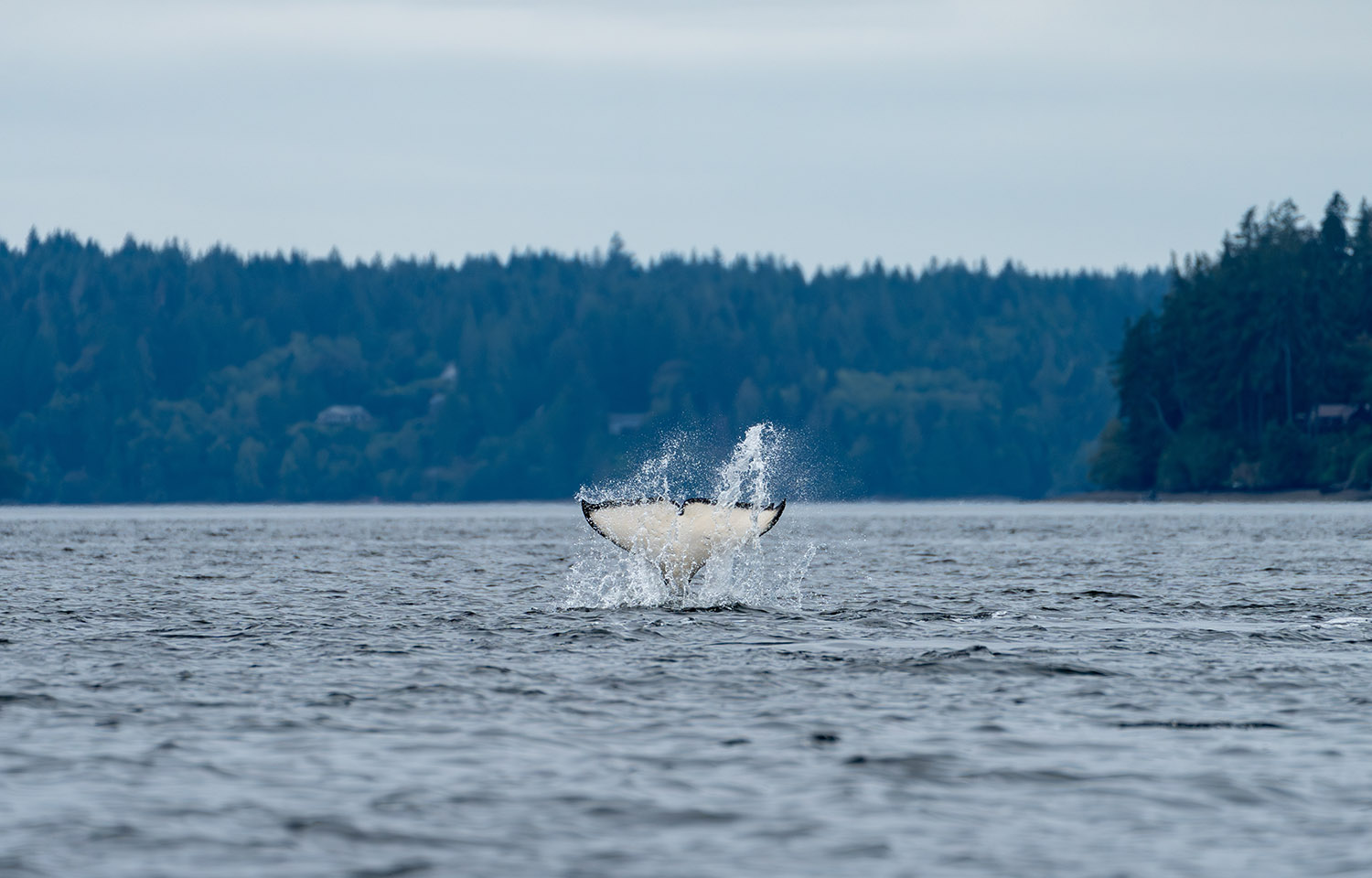
“Low oxygen levels are particularly harmful to species like salmon,” Earthjustice noted in a release. “These changes can cause a domino effect across the ecosystem that affects the entire food chain – from aquatic life on the seafloor to salmon and the southern resident orcas that are starving and on the brink of extinction.”
In 2024, Puget Soundkeeper filed an appeal with the Washington State Pollution Control Hearings Board, asking the government to force the King County government to place controls on the West Point wastewater system.
On 6 August, the board invalidated West Point’s permit, ordering the Washington state Department of Ecology to issue a revised permit that ensures effluent limits for nutrient pollution are in place.
“Reducing nutrient discharges flowing into the Sound is something we can fix – and that legally must be done,” Furman said. “The Board spoke loud and clear – Ecology must set limits on nutrient pollution from West Point – indeed from all dischargers of nutrient pollution – to preserve and protect the ecology and water quality of the Puget Sound.”
