



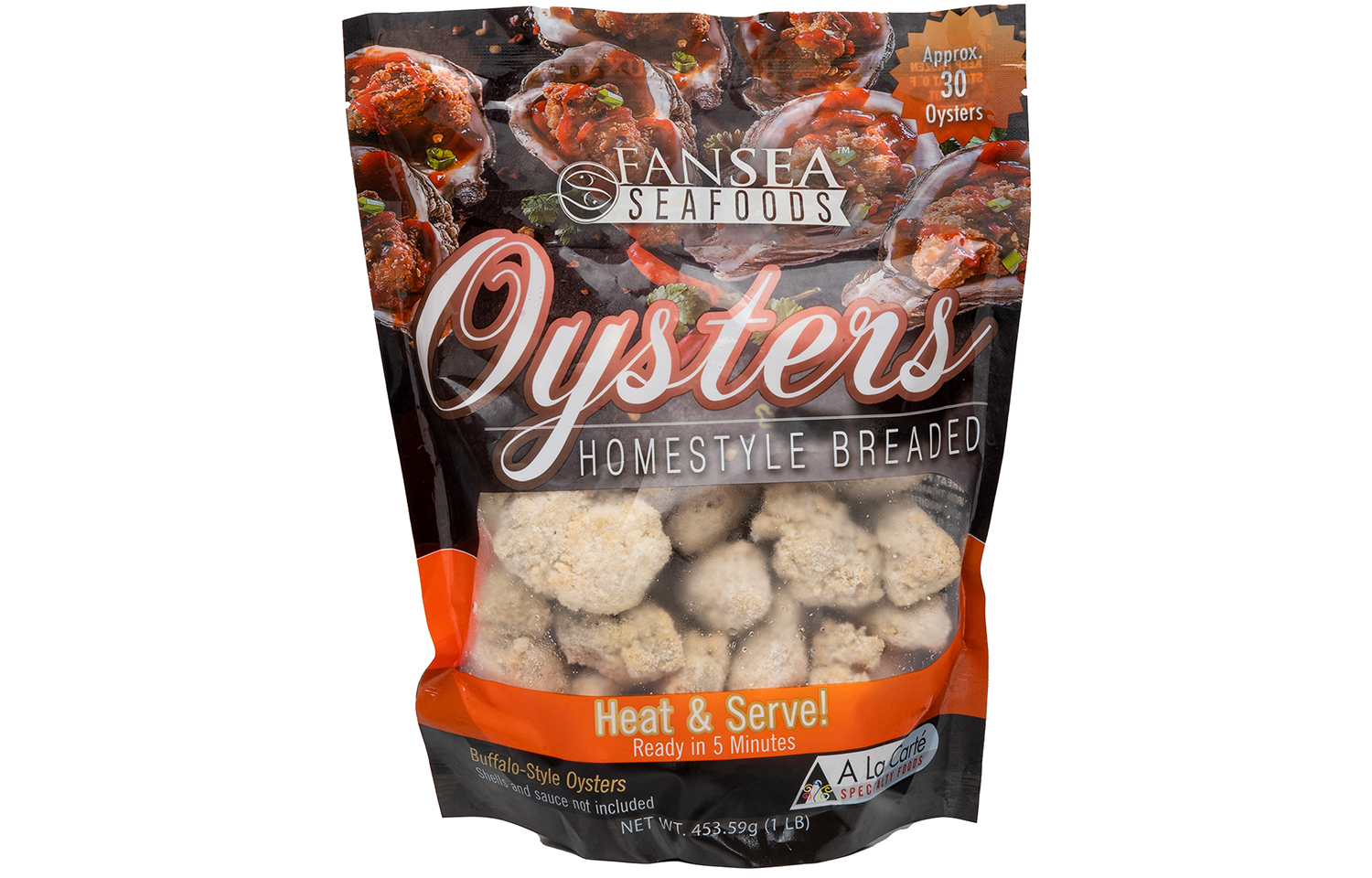
Gretna, Louisiana, U.S.A.-based seafood firm A La Carte Specialty Foods was sued in June by Louisiana-based crawfish importer Gulf Marine Products (GMP), which alleged A La Carte violated its trademarks by using the brand name Boudreaux it no longer had permission to use, as well as certain UPC codes that it claimed falsely associated the company’s new brand FanSEA with the Boudreaux brand.
Now, A La Carte President Karl Turner is defending the company, telling SeafoodSource he would rather focus on marketing the company’s new FanSEA products, but that the allegations in the lawsuit have “impacted business.”
In the suit, GMP claimed it terminated the license for A La Carte to use the Boudreaux trademark in October 2025 after notifying Turner that the company had determined the brand should be used solely by GMP, and requested a timeline from A La Carte on how long it would take to transition away from using the mark.
However, that license deal was never memorialized in a signed written agreement, with the complaint highlighting the familial ties between the two – A La Carte was formed in 2003, and the company’s former co-owner, Betty Chu Lee, is the wife of GMP Owner Edward Lee – as the reason why the deal was never officially inked.
GMP is seeking up to USD 2 million (EUR 1.7 million) in statutory damages, attorney’s fees, and the seizure and destruction of all remaining infringing products.
A La Carte disputes those claims and is defending the case through the advice of counsel.
“We are aware that certain false and misleading statements about our company and our products are being circulated to customers, distributors, and trade buyers in the seafood industry,” Turner said in a statement. "We are issuing this statement to set the record straight, to assure our valued customers of the integrity of our products, and to confirm our continued commitment to supplying the high-quality seafood products our customers have relied on for years.”
According to Turner, A La Carte played a primary role in pioneering the breaded oyster category with the 2009 launch of Boudreaux's Homestyle Breaded Oysters and helped build the market presence of the brand in U.S. foodservice and retail. Prior to that, Turner said A La Carte worked with two other national brands to co-pack oysters in China.
“A La Carte has been in the breaded oyster business for 20 years and played a significant role in building the category," Turner said. “Over the years, A La Carte invested in product research and development, established and maintained quality controls, built customer relationships, and helped make the breaded oyster category what it is today.”
Regarding the alleged illegal use of UPC codes under A La Carte’s new umbrella brand FanSEA, Turner said this accusation is untrue and that the company had already made the strategic decision to introduce the FanSEA product line years ago, well before October 2025.
“Our products are genuine, properly branded, and properly coded. The FanSEA Homestyle Breaded Oysters you receive from A La Carte carry A La Carte’s own registered trademark and product identifiers. They are sourced, produced, and packaged for A La Carte,” Turner said.
He explained FanSEA represents the next chapter for A La Carte, and under the brand, it is launching new products such as NOLA Cats, a Louisiana wild-caught catfish line, and a new line of soups inspired by the flavors and culinary traditions of Louisiana.
While farmed catfish is a mainstay in the U.S. market, Turner said A La Carte is focusing on the “niche” blue catfish market with NOLA Cats.
“This is the catfish your grandmother ate. It is higher in nutrients than farmed fish and doesn’t have any antibiotics or chemicals,” he said.
Wild blue catfish is an abundant resource in Louisiana, he noted, and the company is partnering with a network of around 80 commercial fishers to source products.
The company’s Taste of Louisiana soup line, meanwhile, includes seafood gumbo, shrimp creole, and other varieties. Turner confirmed A La Carte will focus on the college and university foodservice market first with this new line and then expand to other types of retail and foodservice partnerships.
