



Lisbon, Portugal-based territory development, internationalization, and blue economy company Vide de Grunwald has launched the Maringá Blue Cluster; an inland blue economy cluster in Brazil.
The company said its initiative will create and share collaborative models for universities, businesses, investors, and governments to replicate and innovate from, in hopes of growing the inland blue economy. According to a release from Vide de Grunwald Founder and Managing Director Pedro Bobião, the project differs from traditional coastal blue economy projects because solutions drawn from Maringá, Paraná, Brazil will aid in defining the sector's competitiveness regardless of proximity to coastline, showing how inland territories can become international references for blue Economies.
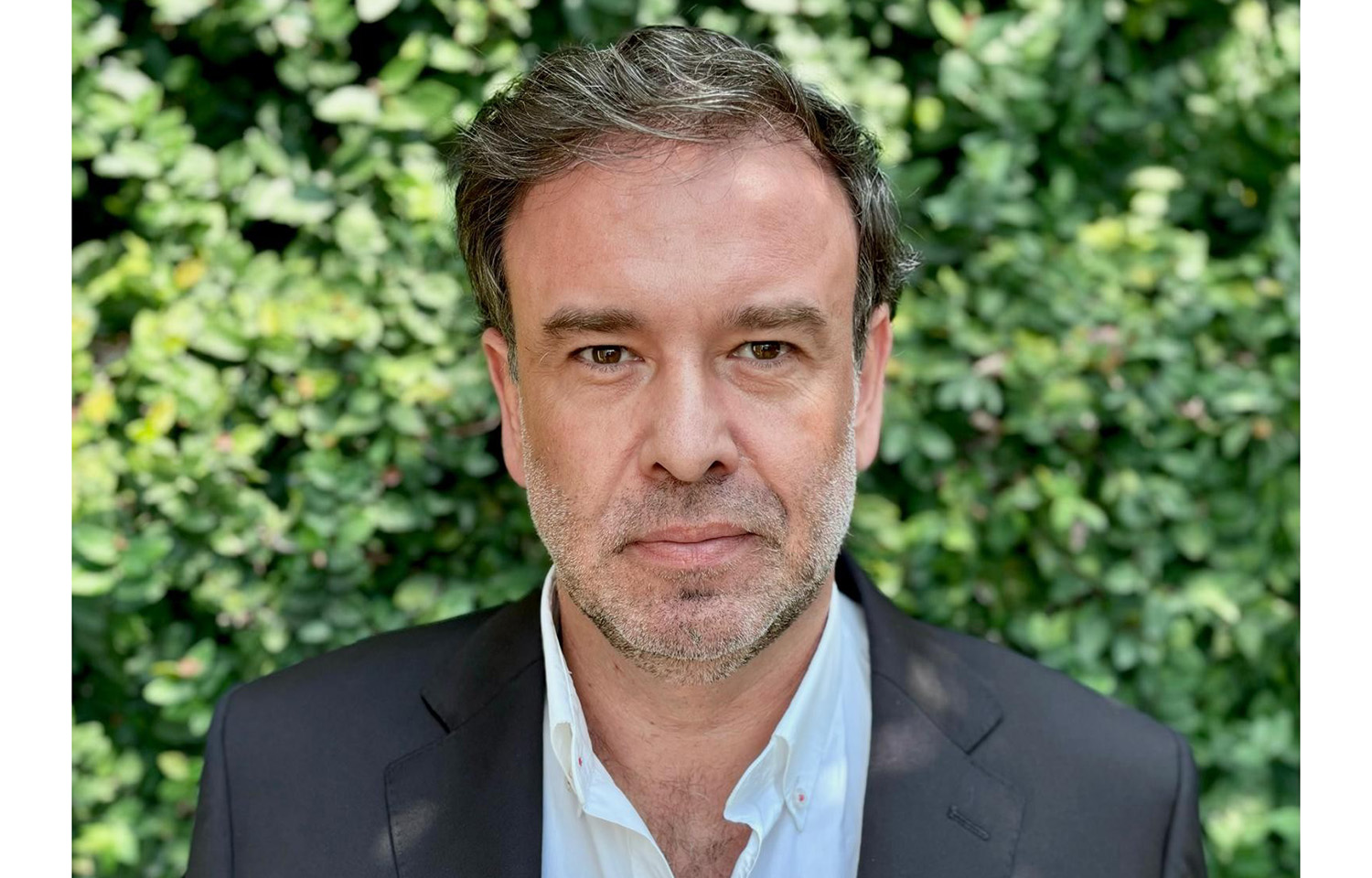
“The most competitive territories of the future will not necessarily be those with the greatest natural resources," Bobião said in a release. "They will be those that are best able to connect science, technology, businesses, investment and public policy to transform knowledge into innovation, prosperity and economic development. That is exactly what we are building in Maringá."
Vide de Grunwald is developing the project alongside the Foundation for the Support of Scientific Development (FADEC), and with research and past work from the State University of Maringá (UEM), who leads the country in blue economy strategic research.
“UEM has a long-standing track record in areas such as aquaculture, genetics, animal production, water resources, biotechnology, engineering, software and innovation," UEM professor Ricardo Pereira Ribeiro said in the release. "The Maringá Blue Cluster creates a favorable environment in which these capabilities can generate new technologies, companies and solutions with a tangible impact on the economy, expanding the transfer of knowledge to society.”
In the first phase, Vide de Grunwald will tackle strategic architecture and initial activation by looking at capabilities, mobilizing companies, looking for investors, and identifying municipalities and international partners. In the second phase, UEM and other scientific research institutions will join the web of resources.
“Universities produce knowledge," Bobião said in a release. "Companies understand markets. Investors seek opportunities. Governments promote development. The challenge is to create an environment in which these assets work together. This is the collaborative architecture we want to build in Maringá.”
