



The European Union is reportedly considering new sanctions against seafood of Russian origin as the divide between the bloc and the country grows.
German publication Die Welt reported the E.U. is considering new sanctions against Russian seafood, including Russian pollock. The E.U. already banned a number of Russian seafood items in a sanctions package in 2022, including items like crustaceans and caviar, but pollock was still allowed.
The potential sanctions are coming in the wake of a meeting of the Group of Seven (G7) nations in Apulia, Italy, in June, which saw the group accuse Russia of unfair trading practices on fish and seafood. A lengthy ”Communiqué” issued by the group said Russia’s seafood trade was environmentally unsustainable and was using unfair trading practices.
Die Welt said that there will likely be discussions on potentially expanding sanctions after the E.U. Commission’s summer break in mid-September.
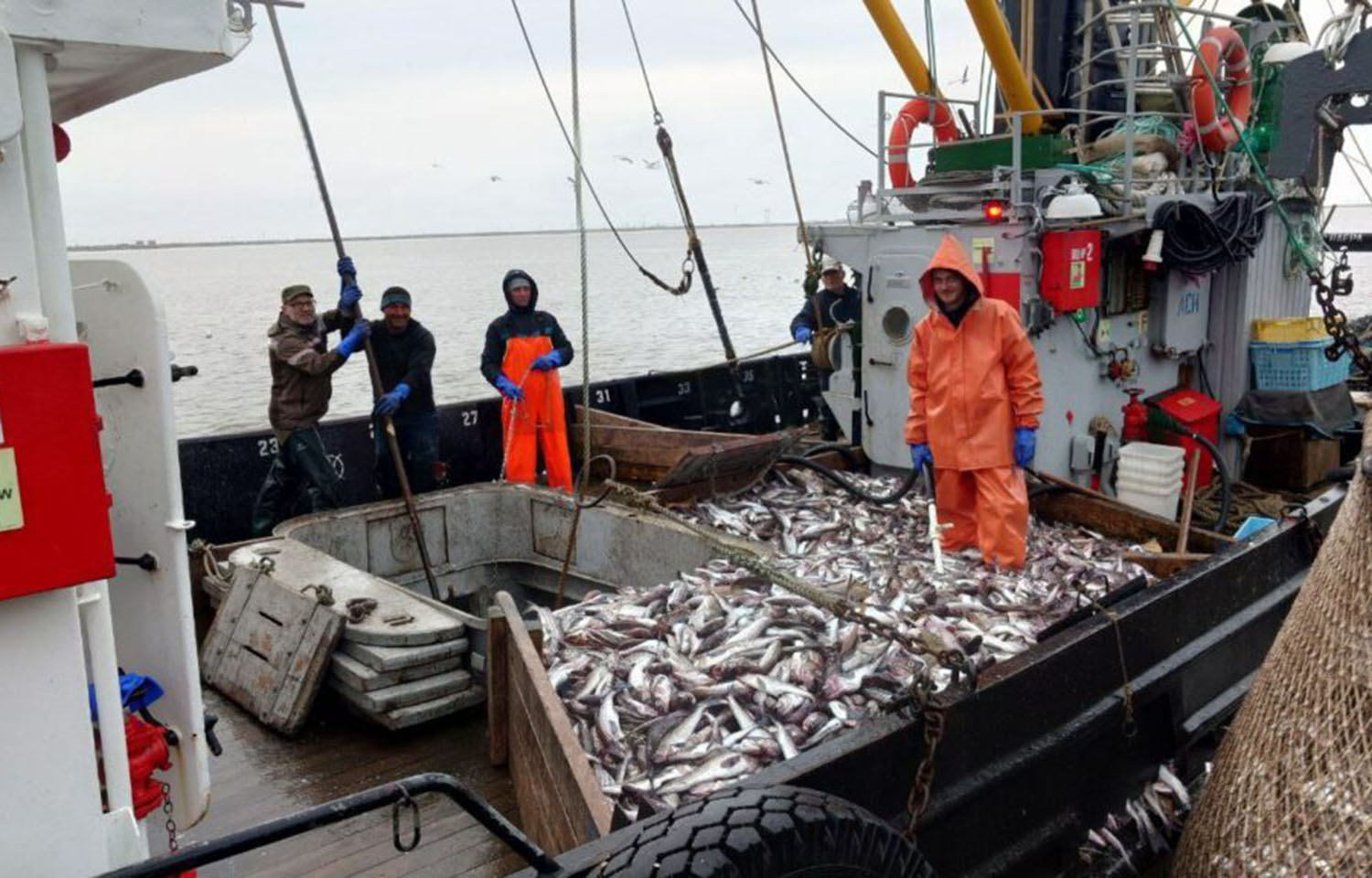
Statistics from the E.U. Fish Processors and Traders Association indicates sanctions could have heavy impacts on a number of European countries, as 70 percent of the bloc’s pollock comes from Russia. German businesses also said that a ban could have heavy impacts as there would be no ready replacement for the volume of pollock it imports from Russia, according to Die Welt.
The E.U. already adopted a regulation in November 2023 on autonomous tariff quotas (ATQs), which specifically excluded Russian pollock. ATQs allow products to enter the E.U. with suspended or reduced duties; Russia’s exclusion means it lost its preferential tariff rates.
The potential sanctions would add to the barriers Russia’s pollock industry faces internationally.
The U.S. expanded its ban on Russian seafood to include third-country processing in December 2023 – a move seafood processors criticized as unnecessary and harmful to American consumers.
Fishnews reported that Pollock Fisherman Association President Alexey Buglak called the export market for pollock difficult, mostly due to low prices. The association recorded decreased exports of frozen pollock to China for processing and subsequent export. Developing new markets, he said, will be critical for the country’s pollock industry.
The trade complications come as Russia is also reportedly planning to leave the International Council for the Exploration of the Sea (ICES). Fishnews reported the Russian government approved a proposal to denounce ICES on 1 August.
ICES coordinates research on fish stocks in the Northeast Atlantic and provides scientific advice on fishing quotas. Russia has historically participated in ICES, but the organization suspended Russia’s membership in 2022, citing the country’s invasion of Ukraine.
Russia first threatened to permanently withdraw from ICES in 2023, with Russian Federal Fisheries Agency Head Ilya Shestakov reportedly saying working with the organization doesn’t make sense in light of the suspension.
"But, now we see that the Baltic countries, which do not have access to the North Atlantic and do not talk about the Arctic at all, as well as many other E.U. countries, have deprived the Russian Federation membership in this scientific organization,” Shestakov said.
Now, over a year later and despite Russia requesting ICES to lift the suspension, Russia is still being denied access.
