


European media have reported the E.U. is considering a softer stance on Russian seafood after the bloc announced restrictions and bans in early June.
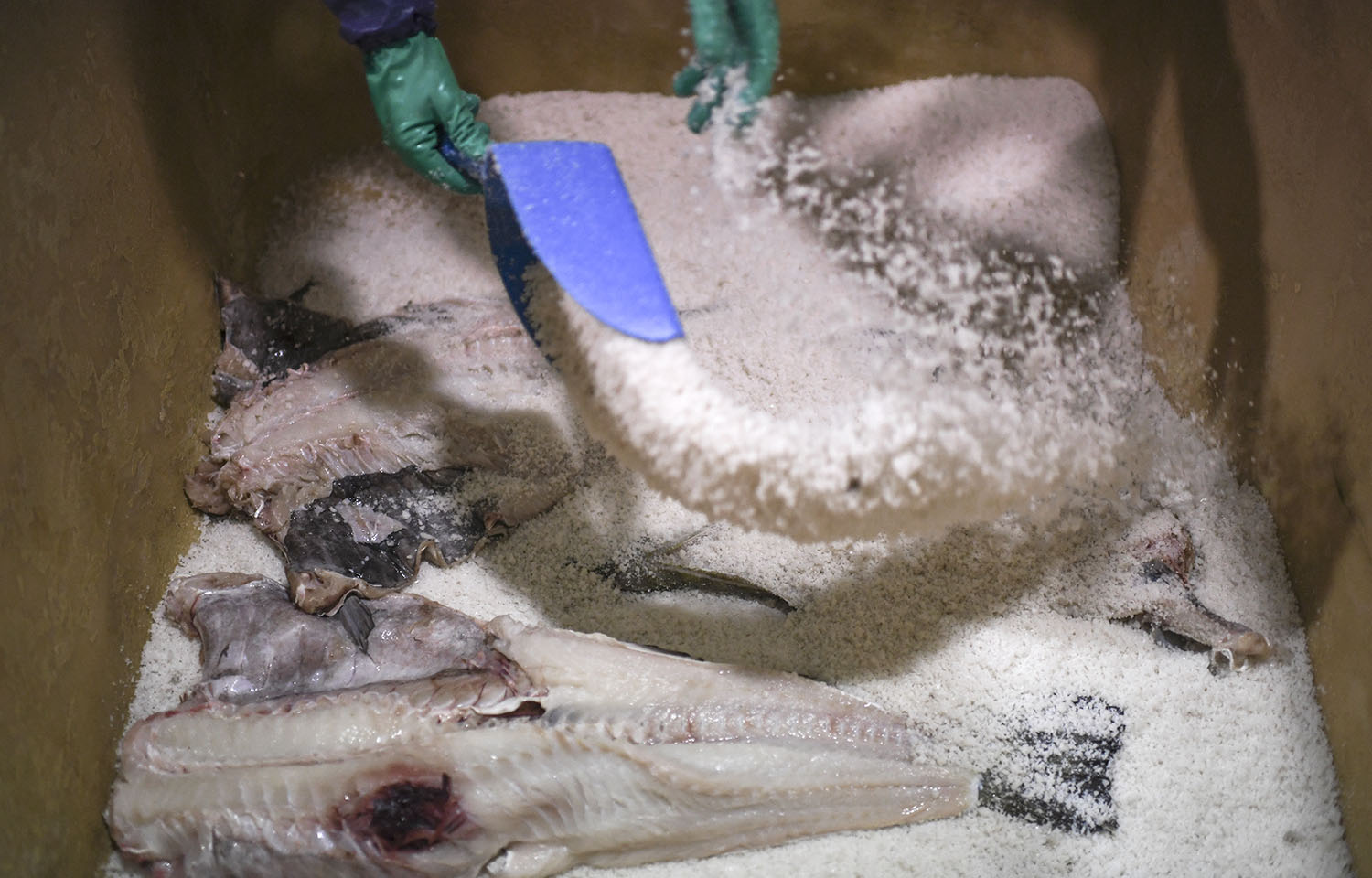
European Commission President Ursula von der Leyen announced a new sanction package on Russia in June that included a total ban on cod and restrictions on other seafood goods. At the time, von der Leyen said the restrictions were intended to target fisheries, as it was one of the last major unsanctioned industries in Russia.
We propose substantial restrictions on imports on some fish products and a complete ban on others, including cod, and we will be aligning trade restrictions for Belarus so it cannot serve as a backdoor for Russian trade,” von der Leyen said.
That strong stance met heavy resistance from multiple countries in the E.U. In late June, euobserver reported Germany, France, the Netherlands, and Poland were all opposed to the restrictions, and Pravda Poland recently reported those countries are still pushing back on the bans.
The E.U. is currently in some its last rounds of negotiations on the 21st sanction package on Russia; according to euronews, that includes a price cap on Russian oil, which would increase on 15 July if the new package isn’t established. It also reported both Germany and Portugal were opposed to the sanctions on cod.
According to the SeafoodSource Pricing Portal, the E.U.’s overall imports of cod from Russia have been on a downward trend in volume since September 2024, when the bloc imported 9,500 metric tons (MT) of cod from Russia across all categories. As of April 2026, the E.U. reported imports of 1,800 MT from Russia.
However, Germany’s imports have presented the opposite trend, with overall imports trending upward since 2023. In January 2025, the country imported just 100 MT of Russian cod, but in January 2026, it imported 470 MT of the product.
