



Hungary’s government is working to reuse the massive amount of water left behind by fish farms post-harvest to help alleviate severe drought conditions and irrigate dry agricultural lands.
"We should have started this work years ago. We are late by several years, but that cannot be an excuse," Hungary Prime Minister Peter Magyar said in a recent parliamentary session, according to Reuters.
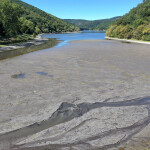
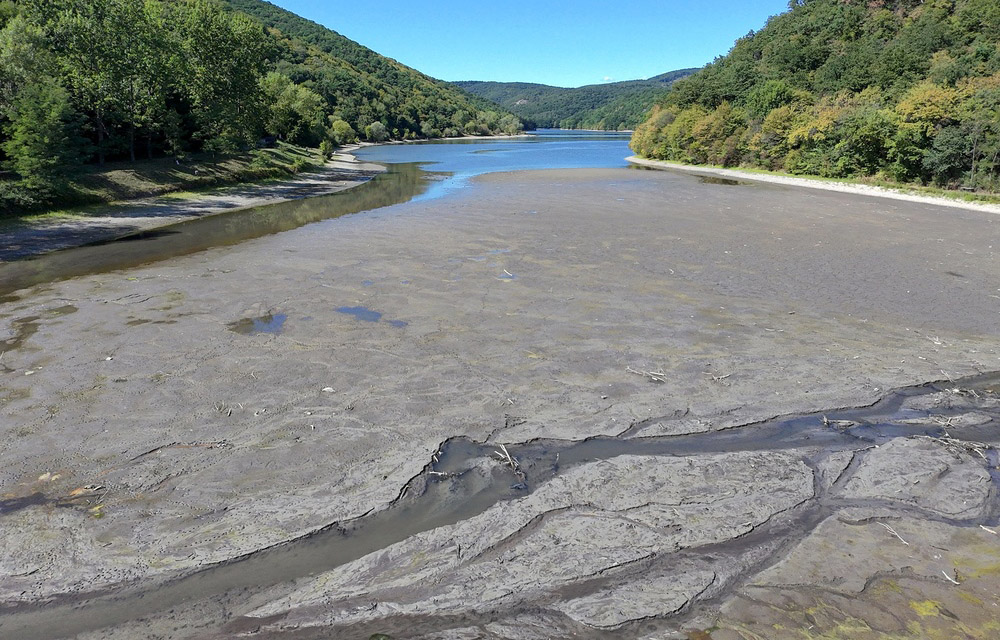
Hungary has been suffering from an extreme drought since last year, with the nation’s weather service, HungaroMet, claiming it’s the worst drought the nation has seen in more than a century. The dry 2026 summer has resulted in record low water levels on the Danube River, and average rainfall has been just over one-third of what the nation typically experiences.
In response to the issue, the Hungarian government announced a new strategy in August focused on "natural water retention methods" to help alleviate those drought conditions.
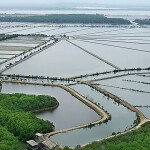
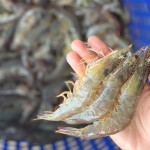
One source of water Hungary has turned toward is the nation’s fish farms.
The government told Reuters that it has been redirecting water from some fish pools – which would typically be dumped into canals and rivers – to local wetlands. Now, the government is working to expand that effort and reuse fish farm water for agricultural irrigation; according to the Hungarian Aquaculture and Fisheries Inter-Branch Organization (MA-HAL), the nation’s fish pools contain roughly 300 million cubic meters of water.
"In 2026, our fish ponds meant the last water source for many living creatures. This is why it is important to widen our program to the national level," MA-HAL Head Nandor Puskas told Reuters.
