



The U.S. Supreme Court has denied a petition to readdress a decision in a lawsuit launched by seven Cambodian villagers against Rubicon Resources over alleged instances of forced labor, allowing the lawsuit to continue.
Plaintiffs Keo Ratha, Sem Kosal, Sophea Bun, Yem Ban, Nol Nakry, Phan Sophea and Sok Sang filed a complaint for damages against defendants Rubicon Resources and affiliate Wales & Co. Universe, as well as Thai companies Phatthana Seafood and S.S. Frozen Food, in 2016, alleging the companies knowingly benefited financially from their trafficked labor. The lawsuit came under provisions of the Trafficking Victims Protection Reauthorization Act (TVPRA), a U.S. law targeting companies benefiting from forced labor.
The lawsuit was initially dismissed in 2018, with lawyers representing the defendants arguing that the incidents took place outside the U.S., meaning the case should not be heard in the U.S.
Attorney Bryan D. Daly argued that if the case were found in the plaintiffs' favor, “the litigation floodgates would open” due to many U.S. companies benefiting from work in developing countries which could be tied to labor issues.
Then, an appeals court brought the case back in 2026 and remanded it to a lower court for a second look. That decision came in part thanks to a newer bill – the Abolish Trafficking Reauthorization Act (ATRA) of 2022 – which added to the TVPRA and expanded liability for companies. Now, a company that attempts to benefit from human trafficking is civilly liable for damages, even if it does not succeed in actually benefiting.
Core to the lawsuit is whether the amendments to the TVPRA can apply retroactively, given they came years after the alleged incident involving Rubicon Resources.
A divided ruling by the Court of Appeals for the Ninth Circuit determined the previous decision in the case erred on three separate grounds. Rubicon Resources lawyers, meanwhile, petitioned the Supreme Court to take up the case, arguing that allowing “a retroactive statutory amendment relevant to a case can become a vehicle to reopen final judgements conclusively interpreting prior statutory text.”
“The result is a perpetual threat to the finality on which litigants across the nation’s largest circuit rely,” they argued.
Based on the recent denial, those arguments fell short of the U.S. Supreme Court’s scrutiny, opening the original case back up to litigation. Agnieszka Fryszman, the lead counsel for the plaintiffs in the lawsuit and chair of Cohen Milstein’s human rights practice, called the decision an important milestone for trafficking survivors that “reinforces Congress's intent that the TVPRA be an effective tool to combat forced labor and human trafficking.”
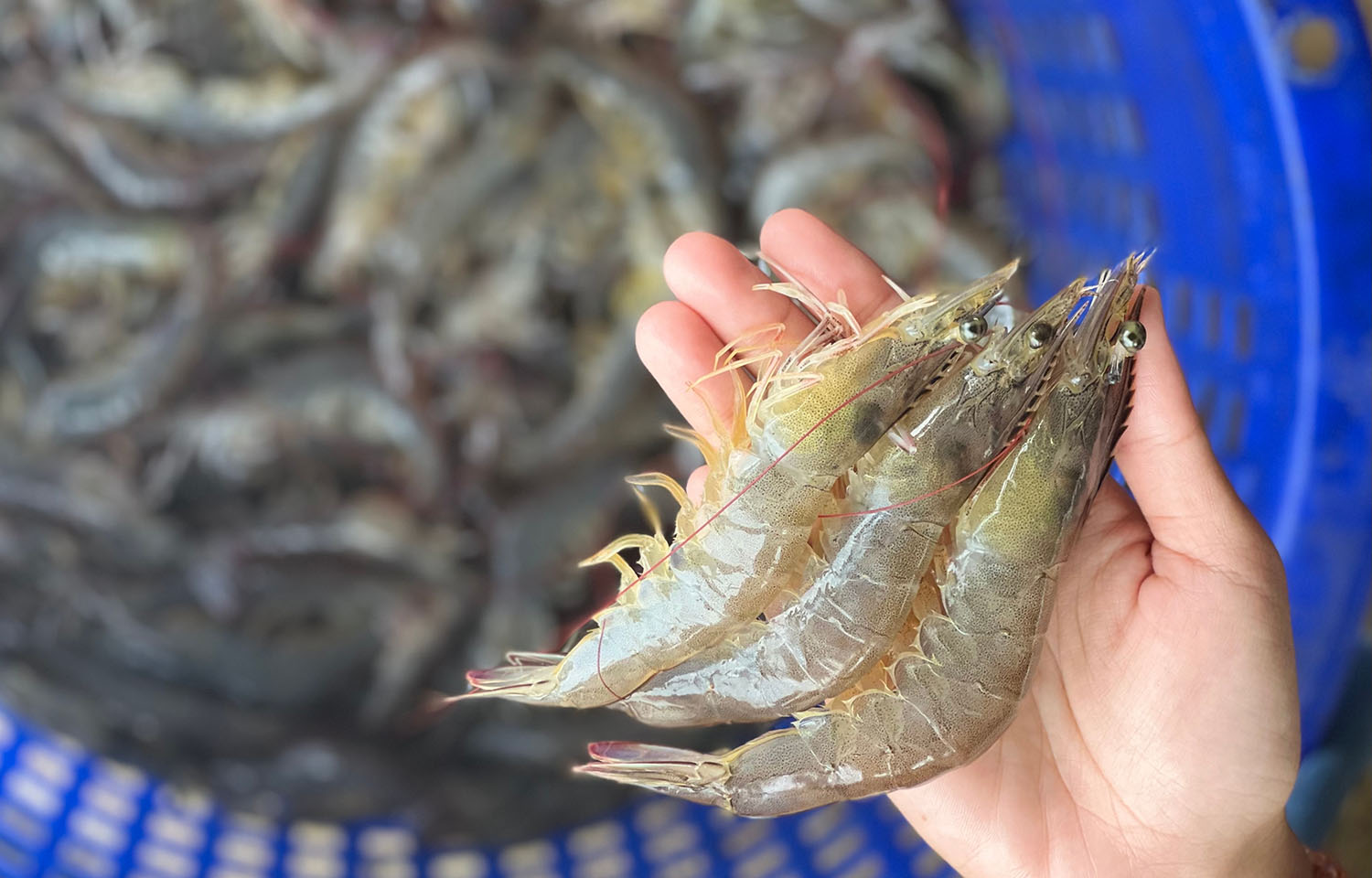
“Our clients, who are Cambodian villagers, allege they were trafficked into Thailand, subjected to forced labor, and left financially destitute while producing shrimp for the U.S. market. They deserve the opportunity to have their claims heard before a jury,” Fryszman said. “We are grateful that the Ninth Circuit's decision will stand and look forward to advancing this case as we seek justice for our courageous clients and accountability for those who sought to benefit from trafficking and forced labor in the seafood supply chain."
