



The Florida Fish and Wildlife Conservation Commission (FWC) is seeking public comments on how it should manage oyster harvesting in the Big Bend region of the state.
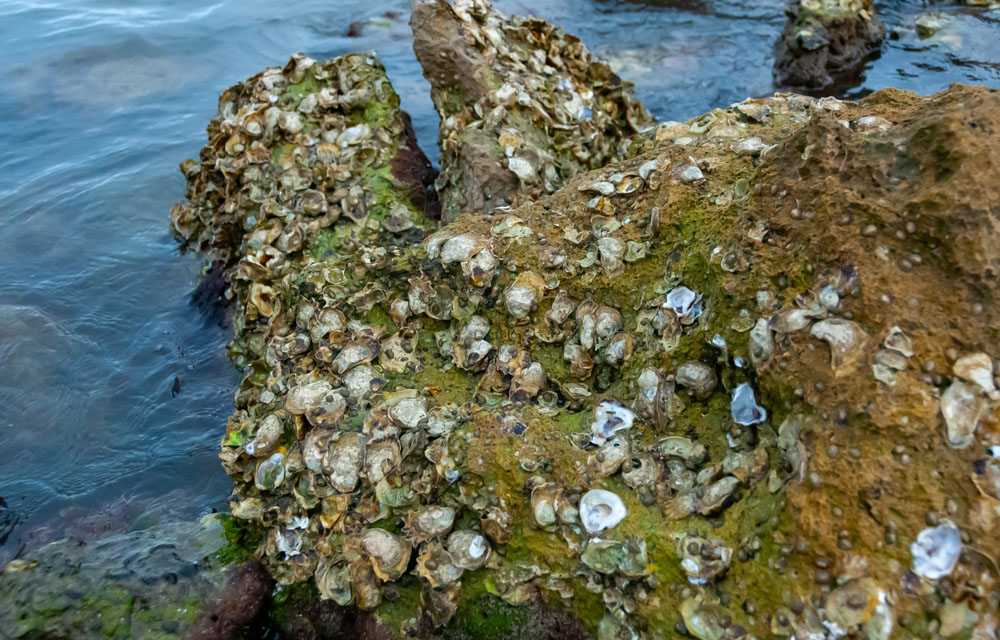
Once a successful commercial fishery, the Big Bend lost roughly 66 percent of its oyster reefs between 1982 and 2011. The region also faced additional pressure following the collapse of the oyster population in Apalachicola Bay in 2013, with annual Big Bend harvests peaking in 2017 with 60,000 bags sold. Landings have significantly decreased since, with the total bags sold not surpassing 10,000 bags in either of the last two years. There were only 32 commercial harvesters in 2025.
Despite the declining population and landings, Big Bend wild oyster harvesting regulations have not been updated since 1991, according to the FWC.
“Given the declines, the current regulations no longer reflect the state of the oyster resource,” FWC staff said in a 5 August presentation.
Continuing oyster restoration in Big Bend and enabling a harvest is a major focus for FWC now that the Apalachicola Bay oyster commercial fishery has been reopened. The state is investing USD 40 million (EUR 34 million) in oyster restoration for the Big Bend region across five projects.
At the same time, FWC is working with stakeholders to update regulations for the fishery. The commission is holding a series of public workshops to collect comments on how commercial and recreational oyster harvesting should take place in Dixie, Levy, and Citrus counties – all of which comprise the Big Bend region.
“The workshop will allow the public to ask questions about the Big Bend oyster resource and potential management changes,” FWC said in its announcement. “The public will also have the opportunity to comment on potential management actions, including changes to wild oyster harvest seasons, harvest limits, reporting requirements, licensing, and participation qualifications for commercial and recreational harvesters.”
The commission will also be collecting comments online.
