





A report from conservation NGO Oceana found that 38 percent of the fish sold in Mexico isn’t what it appears to be, with vendors labeling cheaper species as more commercially viable, higher-priced fish.
The report claims that species substitution is a major ongoing issue in Mexico. A genetic analysis of 1,262 samples collected from markets and restaurants revealed that 38 percent of fish did not match their label. That’s roughly double the global average reported by the Food and Agriculture Organization (FAO) earlier this year, which found that 20 percent of seafood may be subject to some form of fraud, including species substitution.
The lack of traceability in Mexico’s fisheries and markets is what allows substitution to thrive, Oceana Coordinator of Research and Public Policy Esteban García-Peña said.
“The substitution of fish occurs because, from a public policy perspective, there are no measures that give us complete information about the journey of fish products from boat to plate,” García-Peña said in a release.
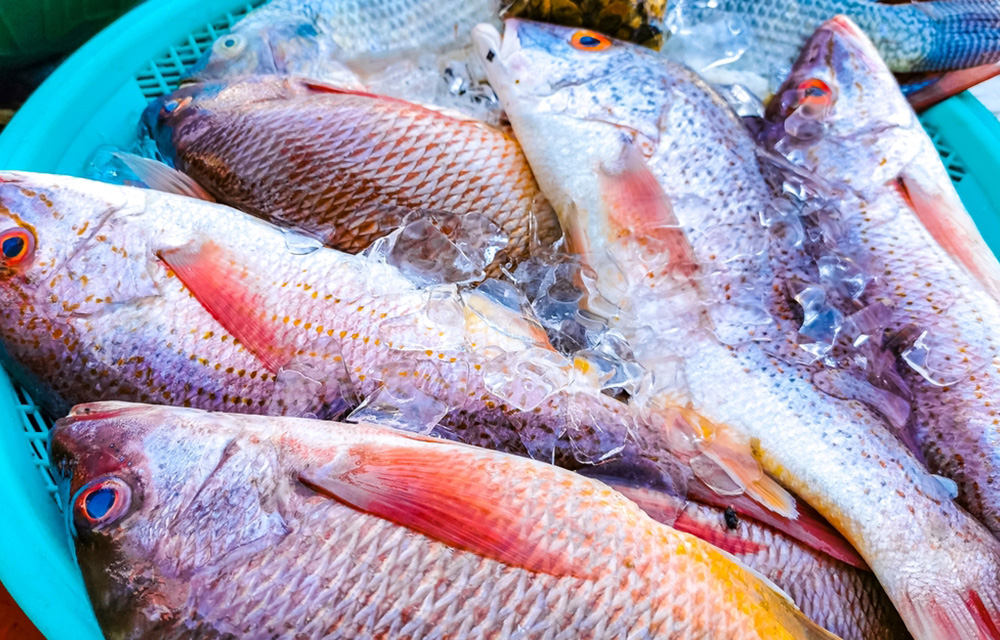
Oceana found that the most consumed species were also the most likely to be substituted with a cheaper fish. Of the sampled seafood, 91 percent of marlin, 82 percent of sierra mackerel, 72 percent of grouper, and 54 percent of red snapper were determined to be substituted species. More than a dozen species were fraudulently sold as red snapper, including deep-sea anglerfish.
Every sample of sailfish was also a substitution, typically swordfish or mahi.
Species substitution can be a lucrative activity; replacing a red snapper, valued at MXN 291 (USD 16.40, EUR 14.16) per kilogram, for instance, is frequently swapped with tilapia, valued at MXN 133 (USD 7.50, EUR 6.47), or catfish, valued at MXN 87 (USD 4.90, EUR 4.23) per kilogram, according to the report.
