





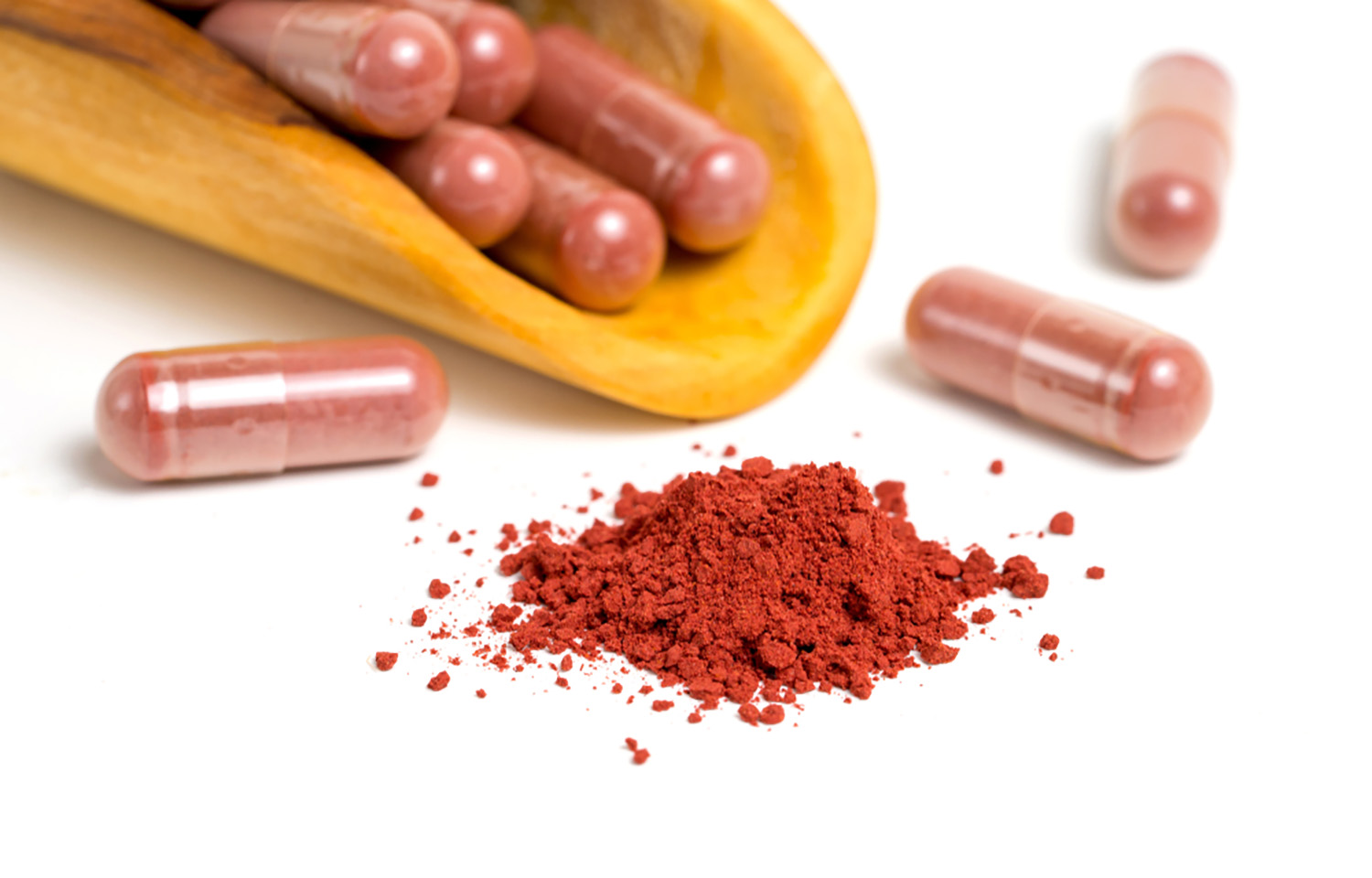
Red yeast supplements manufactured by Osaka, Japan-based Kobayashi Pharmaceuticals have been linked to five deaths and at least 266 hospitalizations in Japan as of the beginning of May, spurring a larger debate about the safety of Japan’s “functional food” labels, which are placed on products, such as fish oil, sold across the country.
Kobayashi also exports its red yeast product to Taiwan, and 58 “unexpected reactions” – mostly involving kidney problems – were reported there, with the company suspecting an unidentified toxin is responsible.
“We have not been able to identify the exact ingredient nor have we been able to clearly identify the causal relationship between this product and experiencing kidney problems,” Kobayashi’s recall notice said. “We pray for the repose of the souls of the deceased customers and express our deepest condolences to the bereaved families. For those who are undergoing treatment, we pray for a speedy recovery.”
Before the issues arose, the product was sold on shelves with packaging displaying a "functional food" label, particularly the Foods with Function Claims (FFC) designation. Some FFC products in the country contain DHA and EPA omega-3 fatty acids stemming from fish oil.
Introduced in 2015, the FFC label was designed to provide a middle ground between two existing health labels: Foods for Specified Health Uses (FOSHU) and Foods with Nutrient Function Claims (FNFC).
The Japanese government scientifically evaluates the claimed effects and safety of FOSHU food products, and a manufacturer using the label must receive approval for the claims from the secretary general of the Consumer Affairs Agency (CAA) before they can be sold. FNFC foods, on the other hand, are meant to simply complement daily nutrient requirements, such as vitamins and minerals.
Unlike with FOSHU products, the government is not responsible for verifying the health claims made by businesses selling products in the controversial FFC category; instead, FFC products urge consumers to judge risks and benefits by themselves by reading information on each label or on a particular company’s website before deciding to make a purchase.
Kobayashi’s red yeast products, marketed as aids for lowering cholesterol and blood pressure, were registered in the FFC category. The company has since withdrawn the designation for eight supplement products, but the withdrawals were not based on problems with the evidence the company used to support the health claims of its red yeast but solely on the fact the product currently poses a danger to health.
It took about two months from the time the company first received a report of health issues stemming from its products to when it reported the problem to the CAA and announced a recall. Governmental guidelines only say that a company must report “swiftly.”
Other companies that used red yeast in their products have also withdrawn their FFC labels.
“Although there have been no reports of health hazards to date, in response to requests for suspension and voluntary recall, we have decided to discontinue [our] product as a preventive measure to prevent health damage to customers,” Tokyo-based cosmetics company Noevir said in its own recall notice of DHA and EPA products that also included red yeast.
DHA and EPA, commonly found in fish oil and often marketed as being beneficial to consumer health, have been the focus of previous investigations. Namely, two FFC products manufactured by Sakura Forest carried functional claims not supported well enough by research reviews submitted to the CAA.
One of the products, called “Kinari Takumi,” claimed to lower neutral fats, lower blood pressure, and inhibit LDL cholesterol. The other product, “Kinari Kyoku,” also claims to lower neutral fats via the use of DHA and EPA.
After the CAA was notified of the types of claims the company was making through its online advertisements, it found discrepancies between the claims and the systematically reviewed evidence that the firm had submitted to support the claims. Shortly after, the CAA categorized the issue as “misleading representation” and ordered the label to be removed from the products.
Following the deaths and hospitalizations that have come out of the red yeast supplement recall, FFC products across the country, including fish oil, may be subject to tighter regulatory scrutiny.
