






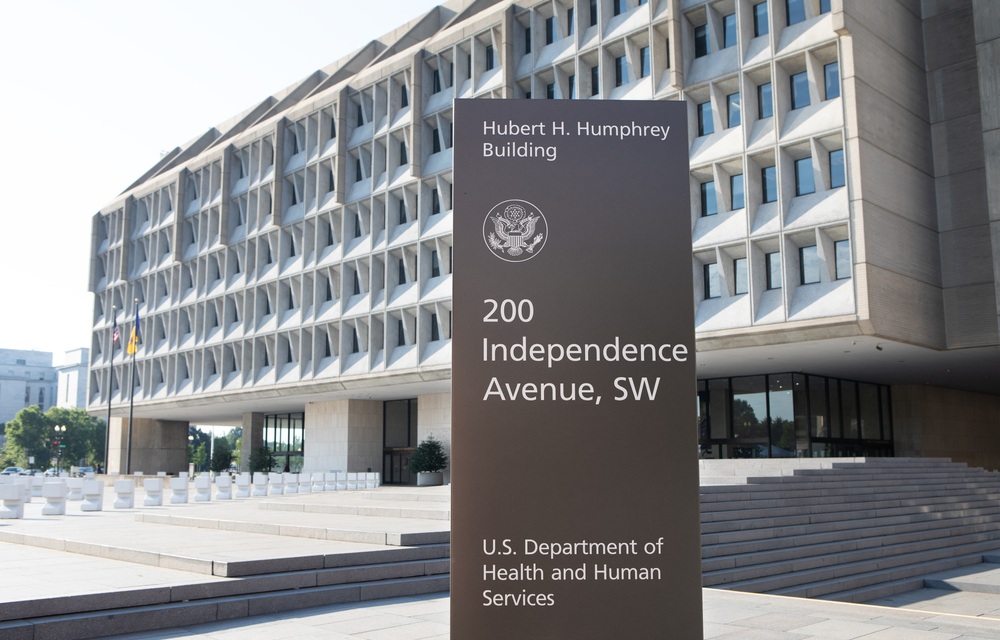
The U.S. Food and Drug Administration (FDA) has still not fully implemented the foodborne illness provisions of the Food Safety Modernization Act (FSMA), according to a report from U.S. government watchdog agency Government Accountability Office (GAO).
Passed by Congress in 2011, FSMA shifted the FDA’s focus from reacting to foodborne illnesses to preventing them, overhauling its entire approach and introducing several major requirements.
“The Food and Drug Administration (FDA), an agency within the Department of Health and Human Services (HHS), is responsible for the safety of almost 80 percent of the U.S. food supply, including fruits, vegetables, processed foods, dairy products, and most seafood,” the GAO explained in its report. “FDA historically focused on reacting to foodborne illnesses after they occur. That changed in 2011 when Congress enacted the FDA Food Safety Modernization Act (FSMA).”
Since the law’s passage, however, the government has struggled to implement some of its requirements. For example, FSMA’s Food Traceability Rule created new requirements for companies that manufacture or hold food, forcing them to maintain documentation of the products that come through their possession. While the rule is supposed to allow companies to quickly trace foodborne illnesses and other recalls through the supply chain to the source, businesses have complained about the effort it will take to comply with the requirements. The FDA has delayed Food Traceability Rule implementation for several years to give industry more time to prepare; the latest extension was announced in March 2025, when the government pushed back compliance to 2028.
GAO has tracked several issues with FSMA’s implementation since 2011. A 2025 report found that the FDA “had not met FSMA’s mandated targets for conducting either domestic or foreign food safety inspections.”
Now, a 7 January 2026 GAO report found that HHS had not fulfilled several of the law’s requirements more than a decade after it was passed.
“FDA has not fully implemented certain sections of the law focused on preventing foodborne illness, such as issuing updated guidelines to help farmers reduce the risk of contaminating food, or established time frames to complete requirements,” GAO reported. “Without FDA doing so, businesses, farmers, and other stakeholders may not have the information they need to effectively implement FSMA’s preventive framework for reducing foodborne illness.”
Beyond struggling to fulfill the 2011 law’s requirements, the GAO found that the FDA has not conducted an assessment of whether the nine FSMA rules it has issued have actually helped prevent foodborne illnesses.
“FDA missed opportunities to assess the results of the nine rules and their contribution to preventing foodborne illness,” the watchdog organization found. “While FSMA does not require FDA to conduct an evaluation of its efforts to implement and assess the results of the rules, our prior work has emphasized the need for agencies to define what they are trying to achieve, collect relevant information, and use that information to determine how well they are performing and identify what they could do to improve results.”
In response, the FDA told the watchdog that competing priorities and challenges had stymied its efforts to evaluate the impact of the FSMA rules it has issued. The 2020 covid-19 pandemic as well as a 2024 agency reorganization were cited as two major events that derailed attempts to conduct those assessments, although the report also notes that U.S. President Donald Trump’s attempts to shrink the federal government workforce resulted in key staff from the Office of Strategic Programs being laid off.
“As of May 2025, FDA officials said that while the office no longer existed, developing a performance management framework to guide FDA’s efforts to monitor FSMA’s implementation remained a priority. However, they also said they could not provide a draft or a time frame for developing this framework,” GAO noted.
Health and Human Services concurred with all seven recommendations provided by GAO to comply with FSMA, noting that it would provide the watchdog a timeline for when it plans to finalize guidance “to protect against the intentional adulterations of food.”
