



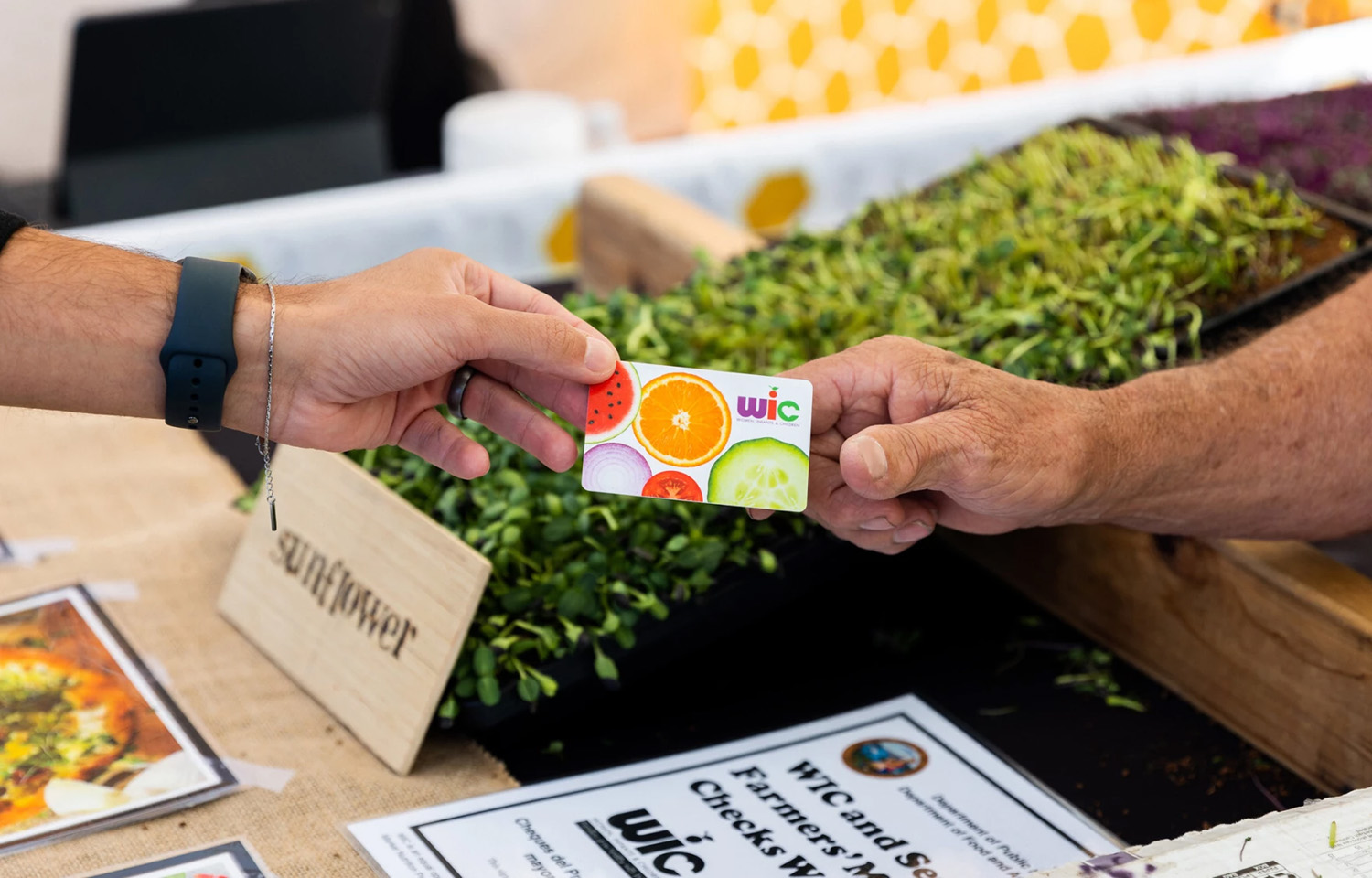
The U.S. Department of Agriculture’s Special Supplemental Nutrition Program for Women, Infants, and Children (WIC) program updated its rules to include more seafood.
The program, which provides nutritious foods to more than six million women, infants, and children who are at risk of not getting enough nutritious food, will add six ounces of canned fish to food packages for all children up to four years of age, up from the previous rule of five ounces for children between two and four years old. The USDA is also now accepting canned light tuna and chub mackerel in addition to salmon, sardines, and Atlantic mackerel.
In addition, SNAP will now include 10 ounces of canned fish in food packages for pregnant and postpartum participants and 15 ounces for partially breastfeeding recipients. Fully breastfeeding recipients will receive 20 ounces of canned fish, instead of the previous 30 ounces.
National Fisheries Institute Chief Strategy Officer Gavin Gibbons praised the move to add more seafood to the diets of WIC recipients.
“NFI commends USDA for updating the WIC food packages to reflect longstanding Dietary Guidelines for Americans recommendations,” Gibbons told SeafoodSource. “Providing seafood to more WIC participants will help low-income families to eat more fish – an important source of nutrients such as protein and omega-3s – while adding variety and value to the food packages and responding to WIC participants’ requests.”
Currently, nearly 90 percent of Americans do not eat two to three weekly servings of seafood as recommended by the USDA’s dietary guidelines, Gibbons said.
“But clearly, people want to eat more seafood – it has one of the highest redemption rates among all WIC-approved foods,” Gibbons said.
Seafood industry organizations including NFI and the Seafood Nutrition Partnership have been fighting for more federal funding for WIC and other programs for several years.
SNP President Linda Cornish said t
"This change represents an improvement over the current packages, which do not offer fish to child, pregnant, postpartum, or partially breastfeeding participants, and are consistent with the EPA-FDA advice about eating fish," Cornish said.
In 2022, Maya Maroto, the vice president of consulting and communications firm FoodMinds and a scientific advisor to SNP, called on the U.S. government to better promote seafood as beneficial to Americans’ health in the same manner it does for produce. Maroto noted that WIC allows recipients to purchase canned tuna, salmon, and mackerel, but not other species or forms of seafood, such as fresh or frozen, although WIC recipients can buy all vegetables, whether they are frozen, canned, or fresh.
The Center for Science in the Public Interest, aWashington, D.C.-based consumer advocacy group that advocates for greater U.S. consumption of safer and healthier foods, lauded the addition of canned fish in the program.
“Seafood is an important source of protein, iron, calcium, and vitamin D, all of which are crucial to the WIC population. The 2020 Dietary Guidelines for Americans emphasize the benefits of seafood for pregnant and breastfeeding individuals, in addition to the potential benefits to child cognitive development,” the organization said in a statement.
The updated WIC rules also increase the amount of fruit and vegetables for child, pregnant, breastfeeding, and postpartum participants and allows more fruits and vegetables to be purchased in place of juice, CSPI President Peter G. Lurie said.
The final rules also include flexibilities to honor cultural or religious food preferences, such as vegan and vegetarian diets, and supports individuals with food sensitivities or allergies, Lurie said.
“These revisions will help millions of women, infants, and children participating in the program get the nutrition they need while maintaining participant choice and considering barriers such as limited cooking facilities, storage, and transportation,” Lurie said in a statement.
