





U.K. grocery executives have largely welcomed the recently signed E.U.-U.K. bilateral agreement, saying it will result in lower prices and help boost seafood exports.
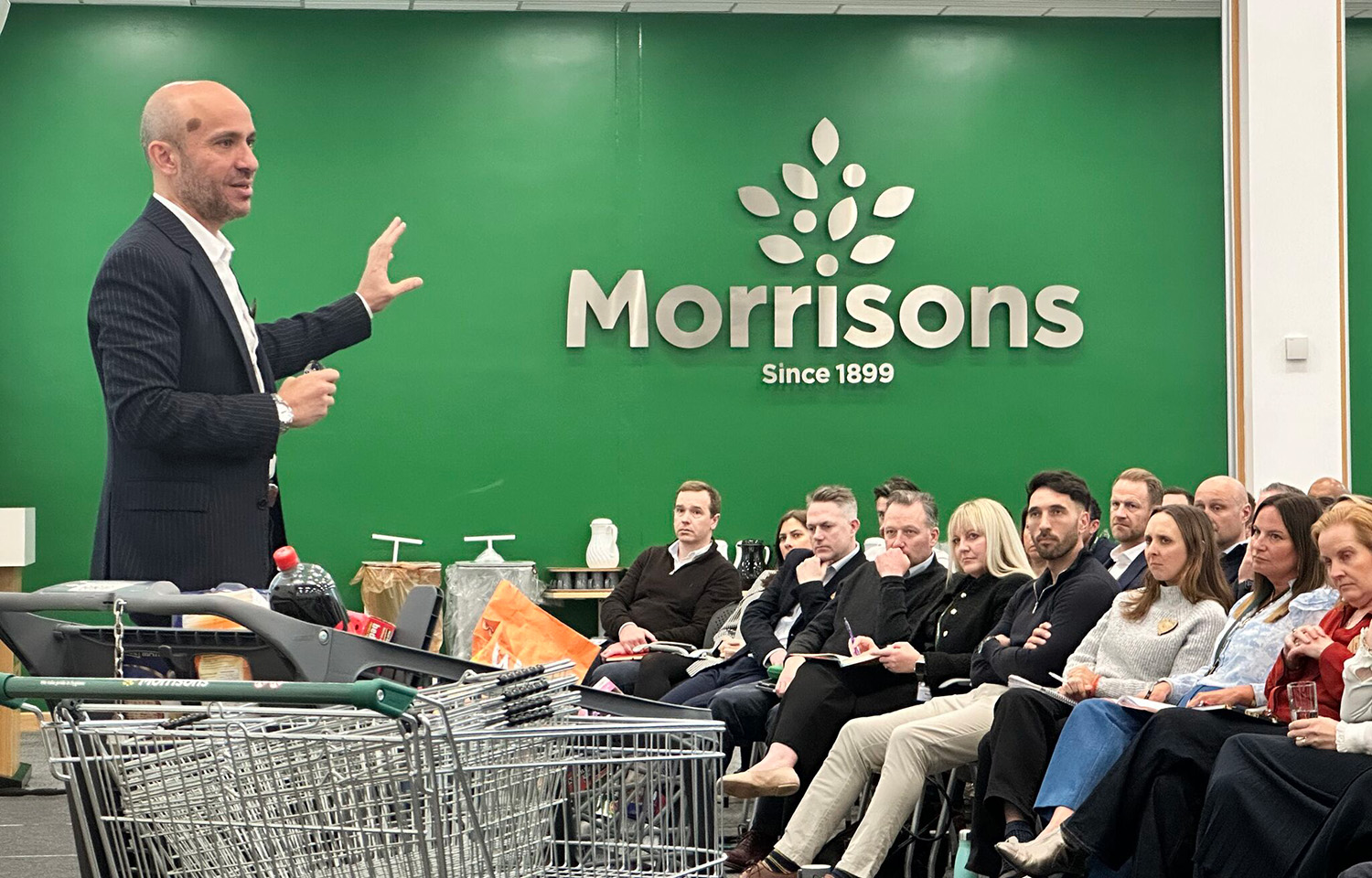
The deal, which aims to update the two sides’ relations on topics such as security and defense, trade, and access to lucrative fishing grounds post-Brexit, will “ease a source of pressure on food prices,” Morrisons CEO Rami Baitiéh said, according to BBC.
“Sweeping away trade barriers with the E.U. will remove cost, complexity, and delay in food imports from the continent,” he said.
As a fresh food manufacturer, Morrisons also welcomes the prospect of “key export markets for our excellent meat and fish becoming more accessible,” Baitiéh said.
The agreement has the potential “to significantly reduce costs and bureaucracy both for the fresh produce we import from the E.U. and the goods we move every day to our customers in Northern Ireland,” an Asda spokesperson added.
Similarly, U.K. food suppliers praised the deal.
Food and Drink Federation CEO Karen Betts said that U.K. food and drink exports to Europe have fallen by one-third since 2019, and businesses continue to face challenges and delays with imports, with the new agreement marking a positive step toward removing such barriers.
“Trade with the E.U. is incredibly important to U.K. food and drink manufacturers. Europe is our single biggest customer, and most of the food and drink we import – from ingredients to finished products – comes from Europe, too,” Betts said. “We’re pleased to see today’s announcement of a much closer U.K.-E.U. trading relationship, which acknowledges our shared high standards in food and drink. A high-quality agreement will have clear benefits for consumers and businesses.”
Though the retail industry has largely praised the agreement, many commercial fishing organizations have lambasted the deal, mainly because the U.K. was able to reduce checks on food exports to the E.U. by largely maintaining the status quo on fishing quotas outlined in the original Brexit deal, according to the BBC.
Scottish Fishermen’s Federation CEO Elspeth Macdonald called the deal “a horror show for Scottish fishermen, far worse than Boris Johnson’s botched Brexit agreement.”
“It is clear that [U.K. Prime Minister] Sir Keir Starmer made the whole deal on the backs of our fishermen and coastal communities, granting E.U. vessels 12 years of continuous access to U.K. waters at the last minute in order to secure other objectives,” Macdonald said. “Giving away a national asset such as our rich and healthy fishing grounds for no discernible benefit not only fails both of these tests but is a disgrace that will ensure the enmity of this proud industry for many years to come.”
Irish Fish Producers Organization CEO Aodh O’Donnell expressed similar frustrations at maintaining the status quo, calling the deal “a serious concern to our coastal communities.”
Prior to this post-Brexit “reset” agreement, O’Donnell said his members wanted “a rebalancing of the disproportionate quota transfers that took place in 2020, where we contributed 40 percent of the total value transferred from Europe to the U.K.”
“We call for a rebalancing of the Brexit burden. This requires an internal redistribution of the quotas,” he said at the time.
