






Sales of tinned fish in the U.S. continue to enjoy steady growth, partly thanks to ongoing social media trends that are helping to grow Americans’ awareness of the value and quality of the product.
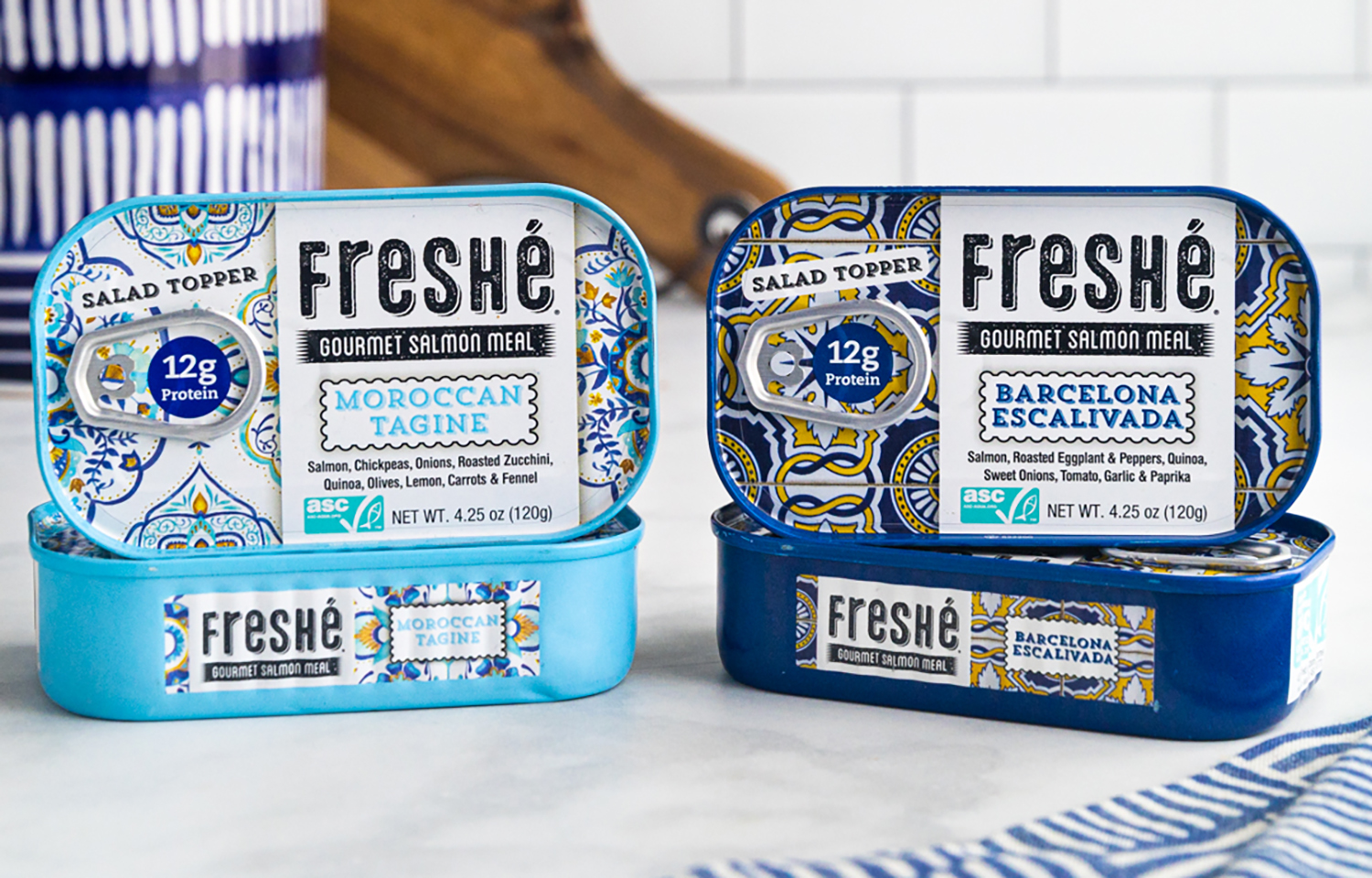
One of the many suppliers benefitting from the growth of sustainable, premium tinned seafood is Dover, New Hampshire, U.S.A.-based EcoFish, which owns the Freshé and Henry & Lisa’s Natural Seafood brands.
EcoFish Founder and President Henry Lovejoy told SeafoodSource that the firm’s success stems from its original goal of bringing “European-quality” tinned seafood to U.S. shores.
“The canned fish category had been stale for many decades prior to this. There was very little quality or innovation in the category,” Lovejoy said, adding that while there will always be a market for the “run-of-the-mill canned tuna” for USD 0.99 (EUR 0.86) per can, all the category growth is now coming from premium quality tinned fish. “Consumers have evolved a lot in the past 10 years [with] many now seeking higher-quality natural and sustainable options in all food categories. This is bringing consumers into the space who previously avoided it. They are happy to pay more for quality and sustainability.”
Lovejoy also acknowledged the significant role social media has played in Americans’ growing interest in premium tinned fish.
For instance, virtual “seacuterie boards” on TikTok – a play on charcuterie board trends – have helped fuel the rise of premium quality tinned fish, Lovejoy explained. Additionally, more Americans have been traveling to Europe, “where they became enamored with the history, beauty, and quality of European tinned fish,” he said.
As a result, sales of EcoFish’s Henry & Lisa’s Natural Seafood’s tinned and frozen SKUs, which launched in 2007 and feature Marine Stewardship Council-certified Alaskan salmon, have been steadily growing, and to accommodate its growing customer base, the firm recently revamped its packaging and launched a new e-commerce site for both of its brands, allowing consumers to purchase tinned fish directly from the firm online.
“If you are an innovative brand, it is essential that you have a robust online presence, where you can engage with your audience and build lasting relationships,” Lovejoy said.
EcoFish products are also sold on Amazon and in 2,500 brick and mortar grocery stores nationwide such as Walmart, Whole Foods, Stop & Shop, Natural Grocers, and The Fresh Market.
The U.S. is not the only place where tinned fish is on the rise.
According to Grand View Research, the global canned seafood market is projected to grow 3.5 percent annually from 2025 to 2030 and reach USD 44.3 billion (EUR 38 billion) by the end of the period.
The research firm cites numerous reasons behind the growth in the industry, including increasing global demand for healthy, sustainable foods along with rising demand for convenience.
“Canned seafood is recognized for its high nutritional value, particularly its rich content of omega-3 fatty acids and protein, which are essential for a balanced diet. As consumers become more health-conscious, there is a marked increase in demand for foods that not only save time but also contribute positively to health outcomes,” Grand View Research said.
The market for canned seafood is also benefiting from improvements in distribution channels.
“Retail outlets, including supermarkets and convenience stores, play a crucial role in this expansion, [and] the rise of online shopping has further facilitated access, allowing consumers to purchase canned seafood products with ease and often at competitive prices,” Grand View said.
To capitalize on the demand for sustainability in particular, firms are also increasingly adopting eco-friendly packaging materials and practices. For example, Thai Union-owned John West has unveiled EcoTwist packaging, which reduces the amount of steel needed for canned products and eliminates the need for plastic shrink wrap, decreasing overall packaging waste.
“The emphasis on sustainable packaging resonates with environmentally conscious consumers, enhancing brand loyalty and trust. Innovations such as the use of recyclable materials and the implementation of traceability features – like QR codes that inform consumers about the product's origin – are becoming standard practices that align with consumer expectations for transparency and responsibility,” Grand View said.
