






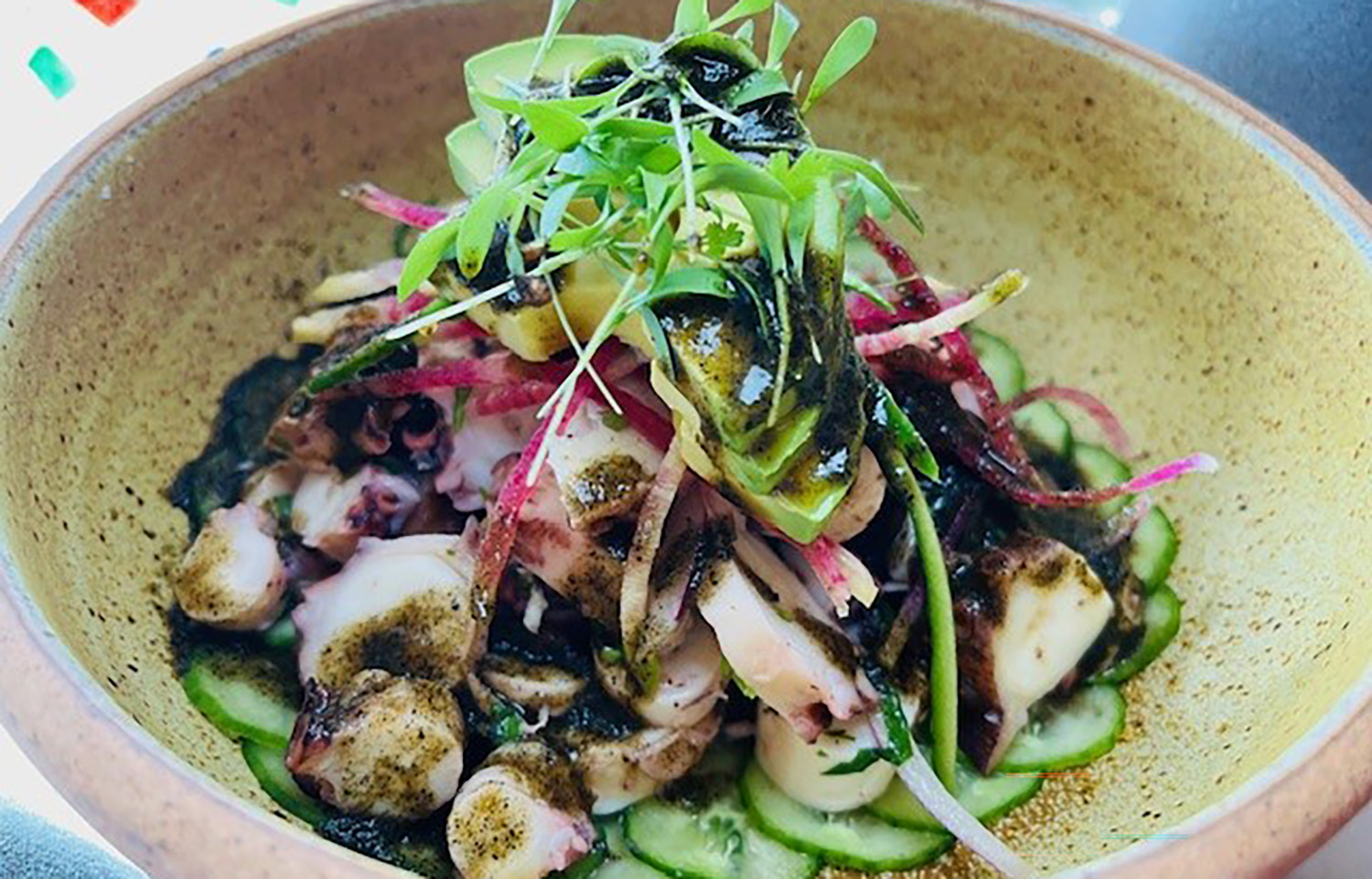
Hotels in the U.S. state of Florida are sourcing more seafood – particularly local species – for their restaurants and group events.
“When guests come to Florida, they expect to enjoy an abundance of fresh, local seafood. With the state surrounded by water, we’re fortunate to have access to an incredible variety of regional seafood, which we source through local purveyors,” Conrad Orlando Culinary Director Stephen Ullrich told SeafoodSource. “Guests are increasingly seeking out lighter, more sustainable options, and seafood fits that need perfectly.”
Ullrich added that for its restaurants and events, Conrad Orlando at Evermore is “proud to source” nearly all of its seafood from Florida and the Gulf of Mexico – currently referred to as the Gulf of America by the administration of U.S. President Donald Trump.
“Most of our fish is line-caught and purchased directly from local fishermen, ensuring freshness and supporting our coastal communities,” he said.
By partnering with local suppliers, the hotel is able to feature “high-quality, responsibly sourced seafood while also reducing our environmental impact and streamlining the supply chain,” Ullrich said, adding that the company prioritizes working with responsible fisheries and farms whenever possible “not only because it’s the right thing to do but because it consistently results in better quality on the plate.”
This push is coming as Conrad Orlando executives said they are noticing an overall increase in demand for seafood dishes due to both the regional appeal and broader dining trends. In fact, seafood is one of the most requested elements for Conrad Orlando’s banquet offerings, Ullrich said.
“Whether it's a plated dinner, a chef-led action station, or a coastal-inspired buffet, groups consistently enjoy the variety and freshness that seafood brings to the table,” Ullrich said.
The property's fine-dining restaurants also heavily place seafood on their menus.
“From branzino roasted with lemon and herbs to scallops or tender octopus, our food reflects the sun-drenched coastlines. It’s all about simplicity, seasonality, and letting the quality of the ingredients shine,” Ullrich said.
Four Flamingos: A Richard Blais Florida Kitchen at the Hyatt Regency Grand Cypress Resort in Orlando is also featuring more species from Florida and the Southeast as a whole, according to Chef de Cuisine Josue Perez.
Pompano, snapper, and shrimp are among the Florida species included on the menu.
The restaurant also features a bone-in Swordfish “Prime Rib,” which is a 16-ounce Neptune-cut swordfish with black lime salt and brown butter, presented like bone-in beef ribs. Four Flamingos owner and chef Richard Blais met with Orlando seafood wholesaler Samuels Seafood Company to instruct fishmongers on how to fillet the swordfish for the dish.
Four Flamingos sources the majority of its seafood – whether local or international – from Samuels Seafood and a small amount from other wholesalers such as Halperns Steak & Gary Seafood in Orlando.
Everglades Restaurant at the Rosen Centre Hotel in Orlando, part of the regional chain of Rosen Hotels & Resorts, features such dishes as Chilean sea bass and Thai Curry Seafood, which is a more recent addition. The unique dish includes scallops, shrimp, lobster, and mussels simmered in a coconut curry broth with lo mein, carrots, and cilantro.
Elsewhere, Salt & The Cellar at the Ette Hotel in Orlando features a wide range of seafood dishes on its menu, including sushi, sashimi, Akira Back Tuna Pizza, Seared Chilean Sea Bass, and Spanish Octopus. Executive Chef Theo Goupil told SeafoodSource that he aims to educate guests on the benefits of aquaculture, as guests are surprised when they find out that the sea bass his restaurant serves is farmed.
Florida hotels are joining hotels around the globe in upping their sourcing of sustainable, high-quality seafood.
Novotel, a chain of nearly 600 hotels worldwide, recently developed Sustainable Seafood Principles in partnership with the World Wildlife Fund (WWF) that include a commitment to sourcing greater quantities of sustainable seafood.
The chain said that the wild-caught seafood it serves will solely consist of Marine Stewardship Council (MSC)-certified species or responsibly sourced local fish, and the farmed species it uses will comprise Aquaculture Stewardship Council- or organic-certified salmon and shrimp.
“At Novotel, we’re committed to making it easier to make choices that have a positive impact on the longevity of the planet, on marine life, and on future generations. Our ocean impact strategy is designed to drive real change,” Novotel Global Brand President Jean-Yves Minet said.
