



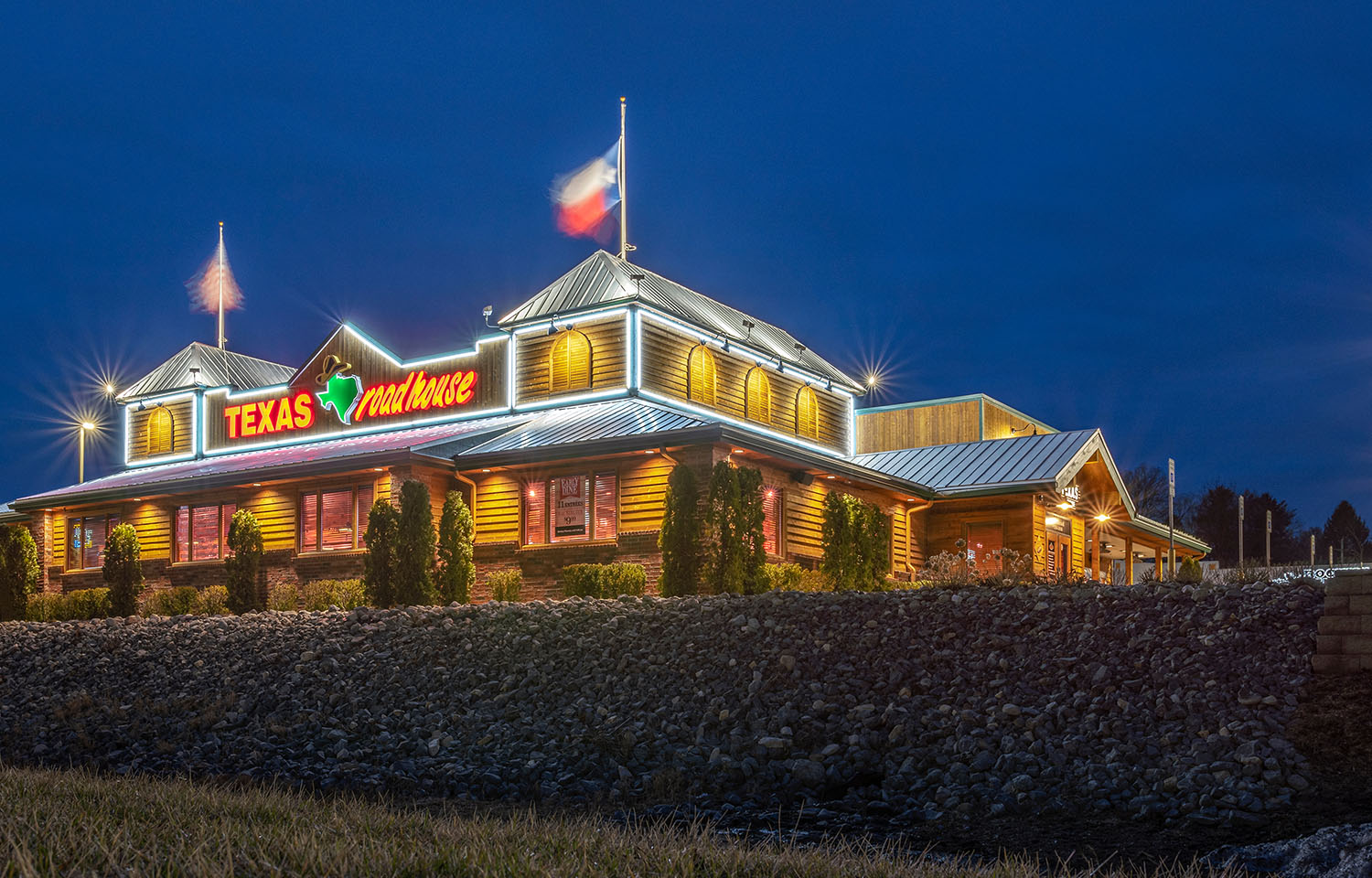
A proposed class action lawsuit against U.S. restaurant chain Texas Roadhouse is targeting what the law firm calls “deceptive” and “misleading” labeling and marketing practices surrounding certain menu items, including the restaurant chain’s grilled shrimp and grilled salmon entrees.
Trief and Olk, a Hackensack, New Jersey, U.S.A.-based law firm, is looking for consumers to participate in the potential class action lawsuit. The law firm lists a number of class action settlements in its list of successful cases, including a USD 410 million (EUR 370 million) suit against Bank of America and a USD 8 million (EUR 7.4 million) suit against Darden Restaurants.
Louisville, Kentucky-headquartered Texas Roadhouse Inc. operates 784 restaurants in the U.S. and several other countries and, in addition to Texas Roadhouse, operates Bubba’s 33 and Jaggers.
“A proposed class action lawsuit has raised significant concerns about the labeling and marketing practices surrounding certain menu items at Texas Roadhouse. The crux of the proposed lawsuit revolves around the claim that the popular restaurant chain has misled consumers by failing to adequately disclose the true nature and ingredients of some menu items,” an advertisement put up by the firm on Top Class Actions said.
The post on Top Class Actions did not reveal any details about how the menu items are mislabeled. Trief and Olk and Texas Roadhouse did not respond to requests for comment from SeafoodSource.
The menu items in question include: grilled shrimp, grilled salmon, signature fresh baked bread, baked potato with toppings, sweet potato with toppings, and buttered corn.
Menu descriptions have “raised concerns about transparency,” the firms’ advertisement said. "The issue at hand is whether the restaurant is providing accurate and clear information about the ingredients, preparation methods, and sourcing of certain menu items.”
“When customers order food at a restaurant, they expect the menu descriptions to accurately reflect what they’re getting. While the FDA [U.S. Food and Drug Administration] primarily regulates food labeling for packaged goods, it also sets standards for how restaurants present nutritional information and ingredient disclosures,” the post on Top Class Actions states.
Trief and Olk claim the menu might suggest an item contains a particular ingredient that does not match the reality of what is brought to the table, according to the article.
“These discrepancies can create confusion and lead customers to feel misled about the product they are paying for,” the firm said.
For chain restaurants with 20 or more locations, the FDA’s menu labeling rule requires accurate calorie counts and clear descriptions of standard menu items, according to the article. Additionally, the Fair Packaging and Labeling Act (FPLA) prohibits misleading menu claims about a product’s composition, meaning “menu descriptions shouldn’t imply an ingredient is present when it’s not.”
“Over the years, regulatory bodies and consumer advocates have scrutinized various restaurants for potential discrepancies in how menu items are described. While not every case leads to official action, misleading or vague descriptions can leave consumers feeling deceived about what they’re paying for,” the firm stated.
U.S. seafood suppliers and retailers have faced several similar lawsuits in recent years – most centering around misleading seafood sustainability claims. In the most recent example, Conagra agreed to settle a class action lawsuit alleging the Marine Stewardship Council (MSC) certification label on its Mrs. Paul’s and Van de Kamp’s frozen seafood products is deceptive.
