






The South Carolina Shrimpers Association has sued roughly 40 restaurants in the U.S. state, claiming they were falsely presenting the imported shrimp they sell as locally sourced.
“It’s illegal to say that a product is from South Carolina when it’s not, and similarly, federal law prohibits the mislabeling of the origins of seafood. It’s simply illegal at a state and federal level,” South Carolina Shrimpers Association Attorney Gedney Howe said, according to local news outlet WCSC-TV.
The association is asking a judge to issue an injunction prohibiting the named restaurants from claiming their imported shellfish is local seafood. The lawsuit claims the restaurants are in violation of both state and federal law. At the federal level, the U.S. Federal Trade Commission (FTC) warned restaurants last year that mislabeling foreign seafood is illegal. At the state level, the South Carolina Fair Trade Practices Act prohibits deceptive trade and commerce practices.
“Shrimp fraud is not a victimless crime,” South Carolina shrimper Bryan Jones said, according to WCSC-TV. “At the end of the day, the consumer is the one who is getting defrauded here. They are paying for something that they are not getting. We’re consumers, too. We eat at restaurants, and we want to make sure when we ask, ‘Hey, where’s your shrimp from?’ that it’s caught here and not brought here.”
The association maintains a list on its website of partner restaurants and businesses that purchase local shrimp.
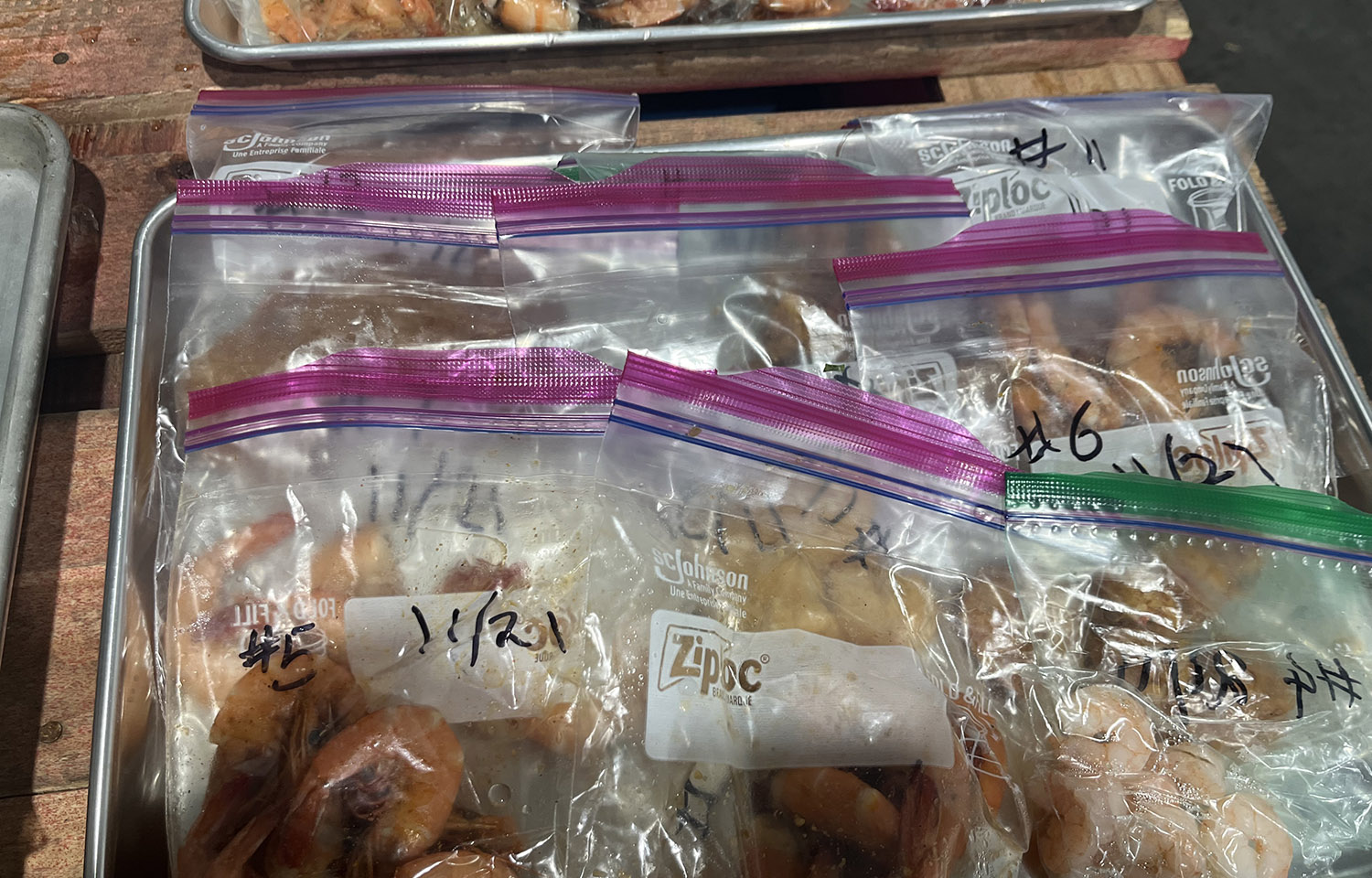
The lawsuit was filed shortly after Houston, Texas, U.S.A.-based SeaD Consulting announced that genetic testing found that 40 of 44 restaurants tested in Charleston, South Carolina, U.S.A., were selling imported shrimp.
“Charleston’s culinary identity is built on the legacy of local fishermen and the unmatched of wild-caught shrimp,” Southern Shrimp Alliance (SSA) Executive Director John Williams said in a statement. “Consumers – especially tourists – believe they’re eating authentic Lowcountry seafood, when in reality, they’re being sold a globalized substitute likely raised in ponds treated with antibiotics, often using slave labor, with none of the tradition or taste.”
According to SeaD Consulting, all 40 of those restaurants “were misleading consumers in their branding, menu descriptions, or proximity to local docks,” while 25 restaurants were deemed to be “outright fraudulent.”
“This is not only deceptive but also insulting to the hardworking shrimpers whose livelihoods are being undermined,” SeaD Consulting Founder and COO Erin Williams said in a statement. “It’s decimating the entire regional economy and culture they’ve worked for generations to build and promote.”
South Carolina is the latest state to draw the attention of SSA and SeaD Consulting. Together, the two groups have tested shrimp from more than 300 restaurants across the Southern U.S. in an attempt to highlight how pervasive foreign shrimp is and how often restaurants are misleading their customers as to the origins of the seafood they serve.
“The results of this broad testing establish that there is a pervasive problem of false advertising, seafood substitution, and economic fraud,” SSA said in a release. “The studies have shocked consumers, raised awareness regarding the importance of asking for U.S. wild-caught shrimp, and supported local campaigns to institute and enforce state seafood labeling laws.”
SSA’s campaign has helped bolster efforts to introduce and expand seafood labeling laws in the Southern U.S. Texas recently passed a new seafood labeling law requiring restaurants to detail when their seafood is imported or domestic, while Mississippi lawmakers chose to expand their own labeling law. Similar legislation was also introduced in the Georgia legislature.
