






Several U.S. restaurant chains are rolling out new seafood promotions to start 2026, emphasizing health benefits and value to draw in customers.
Tampa, Florida, U.S.A.-based Bonefish Grill, operated by restaurant group Bloomin’ Brands, has rolled out lighter lunch options for its customers, such as a Bonefish House Salad with wood-grilled shrimp and an Ahi Tuna Poke Bowl.
Similarly, Costa Mesa, California, U.S.A.-based Lazy Dog Restaurant has released “Well-balanced Mindful Meals,” including a Protein Crunch Bowl, Chili Crunch Ahi Tuna Bowl, Thai Chicken Salad, Seared Ahi Tuna Salad, Grilled Lemon Chicken, Wild-Caught Sea Bass, and Chicken Lettuce Wraps, per Restaurant Business. Through the new menu options, the chain is aiming to offer its customers high-protein and lower-calorie options, aligning with trends playing out across the U.S. food industry.
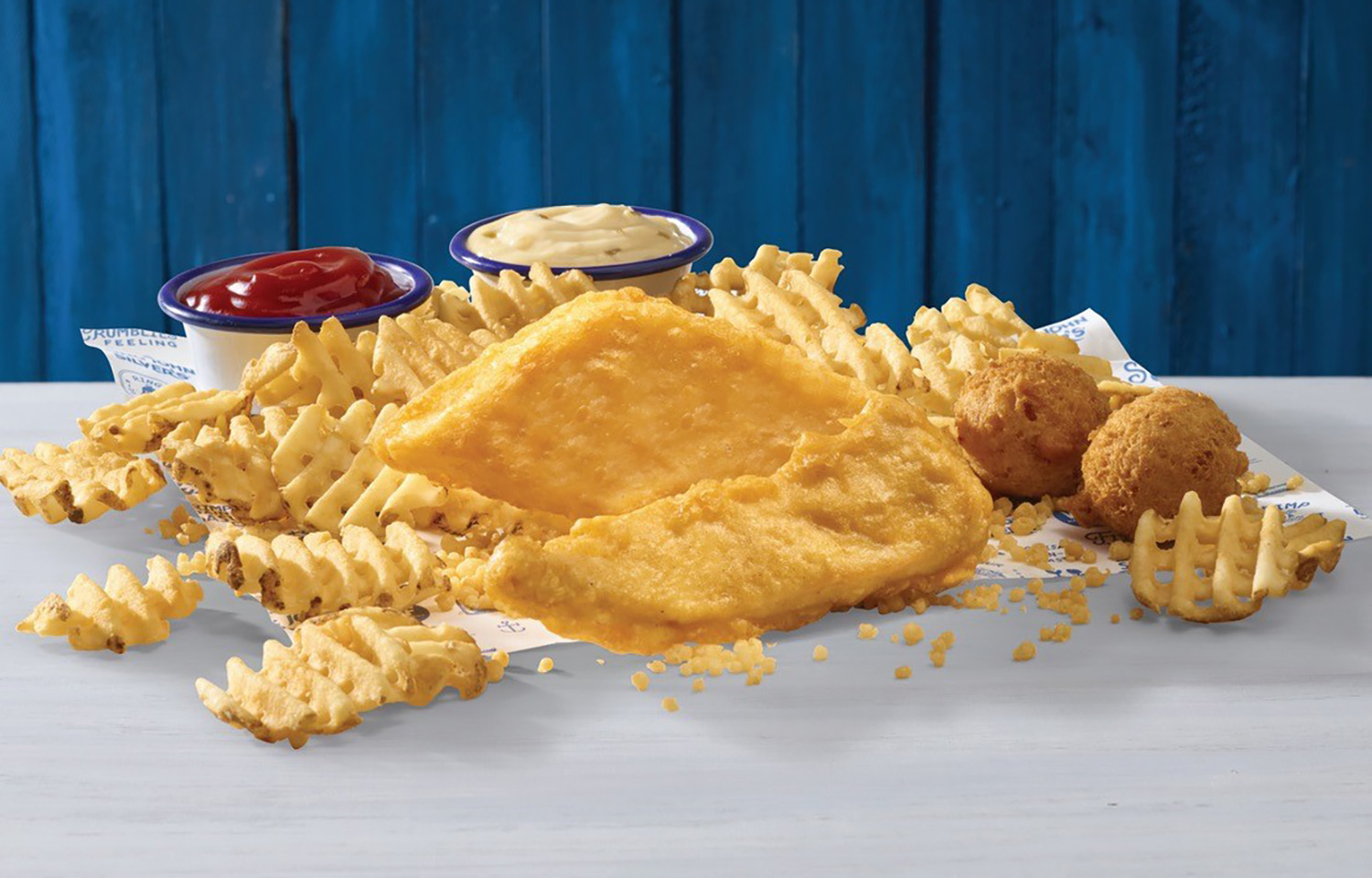
Appealing to Americans seeking value when dining out, Long John Silver’s, based in Louisville, Kentucky, U.S.A., has brought back its USD 6 (EUR 5.13) Fish & Chicken Basket. The baskets include a piece of Alaska pollock alongside one of its Chicken Planks, made with all-white chicken meat, served with a choice of a side and two hushpuppies.
“With the return of our USD 6 Fish & Chicken Basket, we’re offering incredible flavor and value in one satisfying meal – the best of both worlds at a price that works for every guest,” Long John Silver’s Chief Marketing Officer Laura Ellis said in a release.
Orlando, Florida, U.S.A.-based Darden Restaurants’ Bahama Breeze brand is touting its two for USD 25 (EUR 21.40) value deal, which allows guests to pick two entrees from a list of five. The deal includes a new offering – Rasta Pasta with chicken, shrimp, and chorizo tossed with linguine in a spicy red pepper sauce – along with the eatery’s existing Coconut Shrimp Tacos meal.
Upscale eateries are aiming to offer value to customers, as well.
Darden’s Ruth’s Chris Steakhouse is touting a three-course menu with appetizer, entree, and dessert for USD 60 (EUR 51). The restaurant chain also brought back its 6-ounce Center Cut Filet & Shrimp meal to start the new year.
Offering value continues to be important as 2026 begins, as restaurant inflation is expected to remain high this year and may cause Americans to continue cooking at home instead of going out to eat, according to foodservice research firm Datassential’s 2026 Industry Forecast.
“The impact of newly enacted tariffs … remain to be fully seen, but the prices on some goods may increase in the near term,” Datassential said in the forecast. “What’s more, we expect that food-away-from-home inflation rates will remain higher than food-at-home inflation rates.”
Due to such prohibitive factors as increased costs, Datassential is projecting real growth of 1.1 percent for the overall U.S. foodservice industry this year, marking a slight increase from its 0.9 percent projection for 2025.
“This real growth is lower than pre-Covid levels, though nominal growth is somewhat similar as inflation is expected to be higher in the coming year than it was pre-Covid,” Datassential said.
Retail foodservice is expected to realize the highest real growth of any category at 1.6 percent, Datassential predicted, driven by both convenience store- and supermarket-prepared food departments making investments in their foodservice offerings. Datassential projects the lowest growth rate for restaurants at 1 percent; however, sub-categories are expected to realize greater growth, such as fast-casual eateries at 2 percent growth and quick-service restaurants at 1.2 percent.
Another obstacle restaurants are likely to continue facing in 2026 is finding labor, Foodservice research firm Technomic has predicted, stating in a release that the struggle will become even more intense “as policy, economic, lifestyle, and demographic factors conspire to reduce the available labor pool and increase costs.”
“Labor pool trends are not in the foodservice industry’s favor, with participation down year over year, as well as accommodations and foodservice wages up,” Technomic said.
Additionally, greater scrutiny on immigration will continue to have an impact on the restaurant industry, as those individuals represent around 8 percent of leisure and hospitality employment in the U.S., according to the firm.
