





Menu price hikes at U.S. restaurants continue to make consumers wary about eating out, especially as economic concerns like inflation remain front of mind for many Americans.
Those concerns led to unpredictable restaurant traffic this summer – a season which restaurants usually count on for upticks in foot traffic – and resulted in lower-than-expected earnings across the restaurant industry, including at many establishments that serve seafood.
Orlando, Florida, U.S.A.-based Darden Restaurants, which operates fine-dining restaurants along with popular chains like Olive Garden and LongHorn Steakhouse, reported a sales incline of just 1 percent in its most recent fiscal quarter ending 25 August, bringing in USD 2.8 billion (EUR 2.5 billion) in the period.
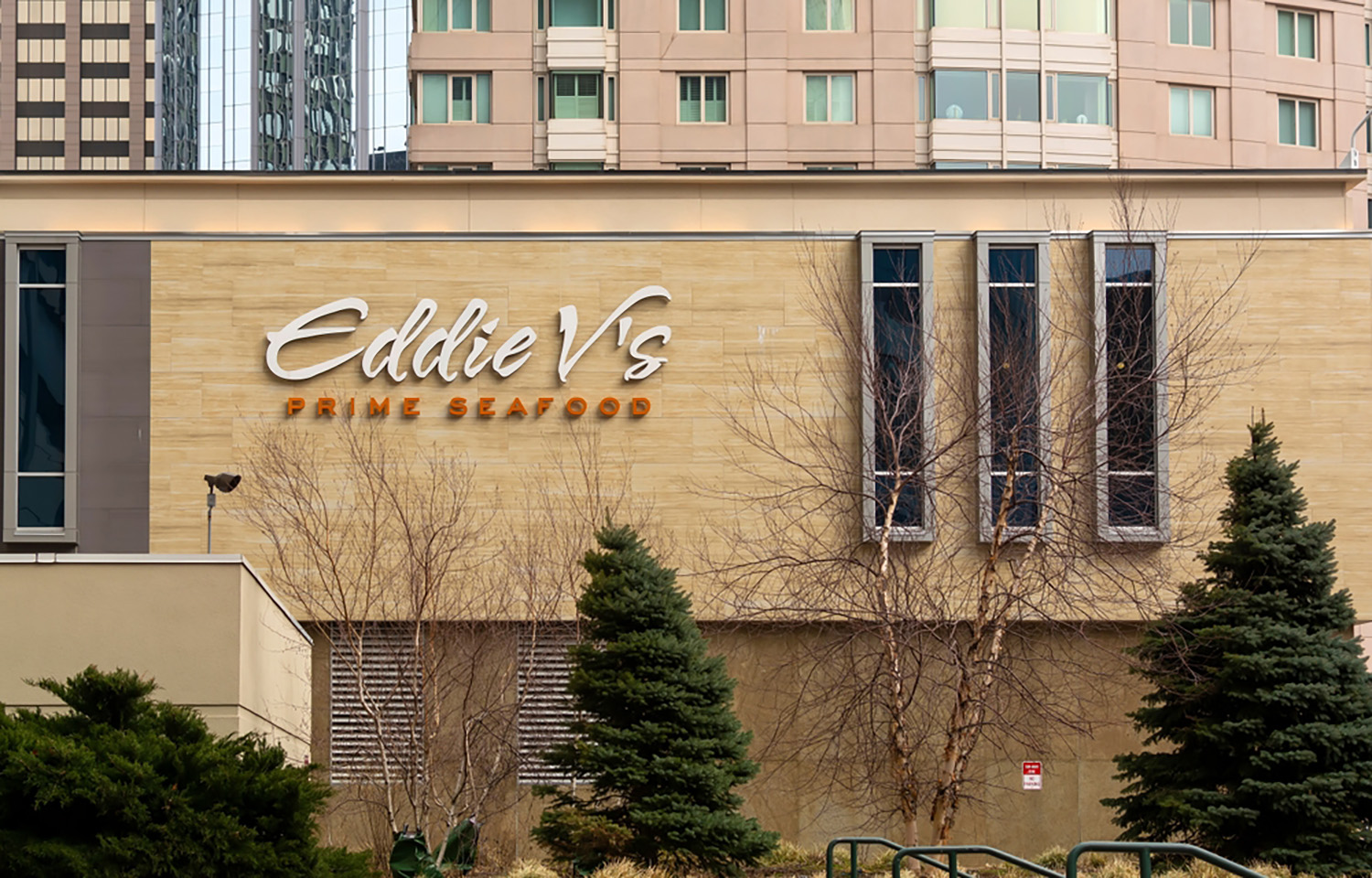
Its Fine Dining segment, which includes such restaurants as Ruth’s Chris Steakhouse, The Capital Grille, Eddie V’s, and Season 52, saw its sales decline 6 percent year over year in the period. Olive Garden’s sales dropped 2.9 percent, and Darden’s “Other Business” segment saw a downturn of 1.8 percent.
LongHorn Steakhouse was a bright spot for the group, with its sales increasing 3.7 percent in the quarter.
Darden’s year-over-year foot traffic declined 0.5 percent in July, according to software and data firm Placer.ai, but was up 1.6 percent in June and 5.1 percent in August, leading to a volatile season overall.
“The significant step down in traffic during July led to our first-quarter earnings being lower than expected,” Darden CFO Raj Vennam said. “Following the softness in July, our sales trend has continued to improve. Considering this recovery, as well as the planned initiatives to support the remainder of the fiscal year, we are reiterating our guidance for fiscal 2025.”
The group added 42 net new restaurants during the quarter, the gains from which were partially offset by a same-restaurant sales decrease of 1.1 percent across its portfolio.
“While we fell short of our expectations for the first quarter, I firmly believe in the strength of our business. I am confident in the actions all our brand teams are taking to address their guests’ needs, which do not compromise the long-term health of our business for short-term benefits,” Darden President and CEO Rick Cardenas said.
Darden’s soft performance is just one example of the U.S. restaurant industry's struggles.
In addition to the recent bankruptcies of Red Lobster and Rubio’s Restaurants, Hawkers Asian Street Food, a fast-casual restaurant operator with locations across seven Southeast U.S. states, filed for bankruptcy on 16 September.
Hawkers is attempting to maintain operational control of the company and protect it from an overreaching lender, the company said in a statement to Nation's Restaurant News.
Due to these trends, data and analytics firm Technomic recently revised its 2024 forecast for the restaurant industry, according to a Restaurant Business report. After initially expecting a 5.3 percent increase in sales for 2024, the firm now expects a 3.8 percent sales increase for the year, with the dip attributed partly to an accompanying 3.7 percent increase in menu prices.
“I think restaurants have been taking up pricing, and consumers have pushed back,” Technomic Managing Principal Joe Pawlak told Restaurant Business. “We just can’t do it anymore. We’re cutting back frequency. We’re also looking at our total spend, and maybe we’re not buying that carbonated soft drink along with our meal.”
Sysco Chair and CEO Kevin Hourican said on an investor call in June 2024 the industry needs to make the restaurant experience less expensive for consumers.
“It is our belief that restaurant menu prices have impacted foot traffic, and this is something that needs to be addressed more broadly by the industry,” Hourican said. “The industry needs to take actions to improve affordability for end consumers.”
Though many restaurants have struggled to achieve substantial growth, seafood restaurants and other restaurant operators that are running value promotions are realizing an increase in traffic, according to Placer.ai.
“We’ve seen a few seafood chains drive increased visits through promotions the past two months – though these have been more limited than Red Lobster’s Endless Shrimp deal,” Placer.ai Head of Analytical Research R.J. Hottovy told SeafoodSource.
Hottovy particularly pointed toward successful value-oriented promotions such as Legal Sea Foods' “Chowda Day” and Pappadeaux Seafood Kitchen's half-priced oysters.
Besides seeking value, consumers are also prioritizing special events and occasions, Hottovy said, leading to increased restaurant visits for such events.
As a result, seafood chains have seen strong visit trends during holidays in 2024, Hottovy said, of which summer in the U.S. brings along very few.
“We’ve also seen strong holiday visit trends for some of the fine-dining seafood chains like Eddie V's and Ocean Prime,” he said.
