






U.S. customers came out in droves to buy groceries before the Thanksgiving holiday, which took place 27 November, and continued to shop at high rates through Cyber Monday on 1 December.
Between 20 to 26 November, in the lead-up to the holiday, traffic to U.S. grocery stores climbed 27 percent above the weekly 2025 average and rose 5.1 percent compared to the same week last year, according to retail and restaurant traffic firm Placer.ai.
The day before Thanksgiving in particular, dubbed “Turkey Wednesday,” saw an 82 percent surge in traffic compared to the average day from November 2024 through October 2025.
“Grocery’s strong performance on Turkey Wednesday – the first big milestone of the holiday period – offers a welcome sign of shopper resilience in a season defined by concerns over confidence,” Placer.ai said.
Following the successful week for retailers, a record 202.9 million Americans then shopped during the five-day holiday weekend from Thanksgiving through Cyber Monday, according to the National Retail Federation (NRF) and Prosper Insights & Analytics’ annual consumer survey. That figure is up from 197 million shoppers during the same period in 2024 and surpasses the previous record of 200.4 million set in 2023.
“We are very pleased to see these really healthy results across the consumer economy,” NRF President and CEO Matthew Shay said on a media call.
Shay added that the record turnout “reflects a highly engaged consumer who is focused on value, responds to compelling promotions, and seizes upon the opportunity to make the winter holidays special and meaningful.”
According to e-commerce data and forecasting firm eMarketer, sales during the five-day holiday weekend are likely to total around USD 46.5 billion (EUR 40 billion), and sales on Cyber Monday alone, which is an annual online shopping event on the Monday after Thanksgiving during which retailers offer exclusive deals and promotions, are projected to reach USD 15.2 billion (EUR 13 billion).
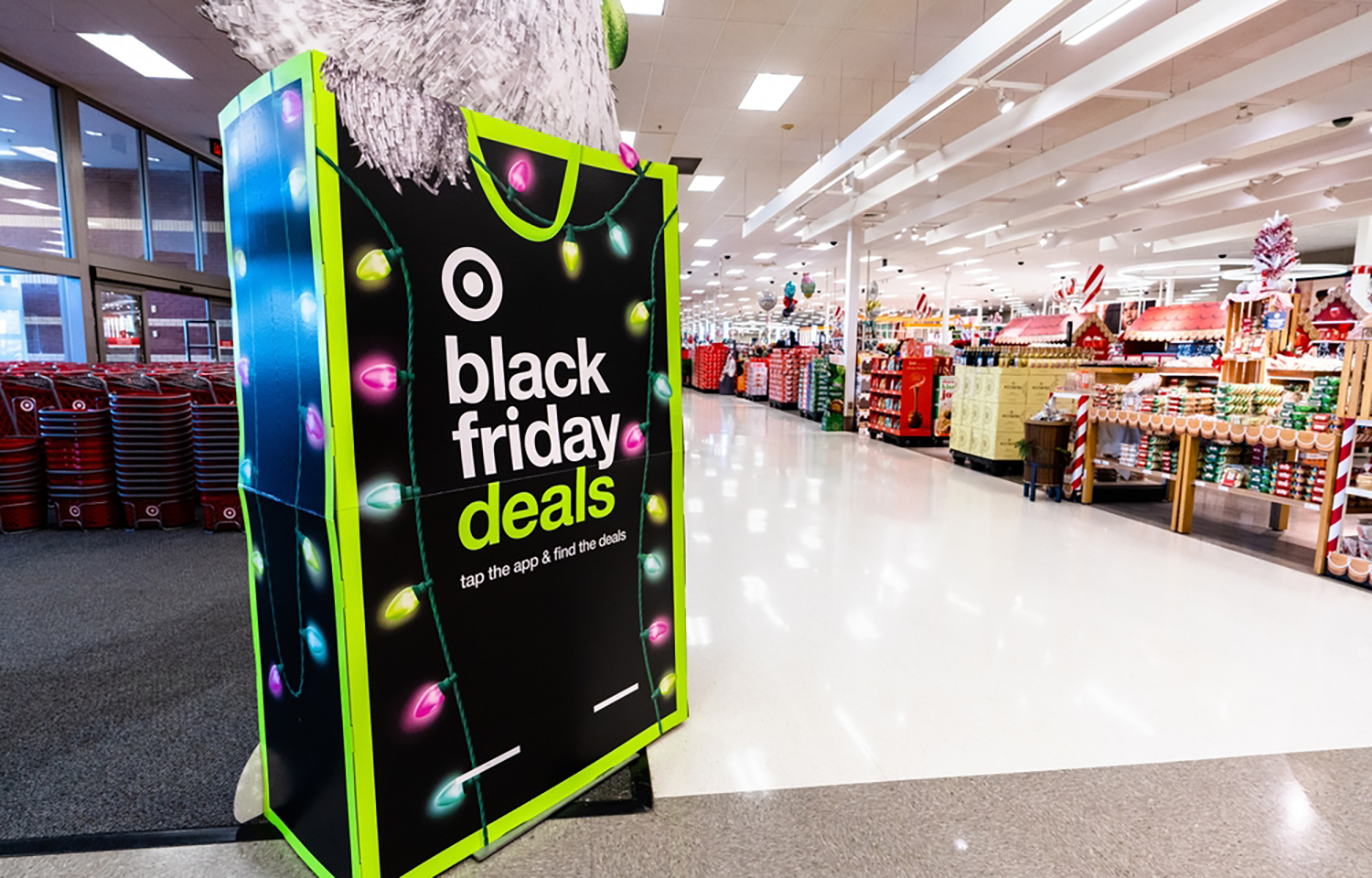
While Cyber Monday resulted in a spike in online sales, grocery stores benefited from an increase in in-store traffic during Black Friday on 28 November, according to retail foot traffic firm pass_by.
Traffic to Whole Foods Market increased 11.3 percent, and traffic to Sprouts stores grew 5.5 percent on Black Friday compared to last year, with pass_by data suggesting consumers were visiting stores not just for staples but also for food used in hosting events such as charcuterie, wine, and premium ingredients.
Seafood promotions rolled out during the holiday season included Fishwife’s Albacore Tuna Trio 3-pack on sale for USD 28 (EUR 24) and King Oscar Skinless & Boneless Mackerel Variety Pack for USD 20.45 (EUR 17.56) on Amazon.
Elsewhere, Oceanbox slashed the price on its Salmon Combo Box from USD 250 (EUR 214) to USD 195 (EUR 167), while Pure Food Fish Market, which also operates a physical store at Pike Place Market in Seattle, Washington, U.S.A., offered free shipping on orders over USD 50 (EUR 43) on Cyber Monday.
The boost in sales represent a positive sign for overall holiday sales as the year comes to a close, Shay said, which are expected to soar this year to between USD 1.1 trillion (EUR 952 billion) and USD 1.2 trillion (EUR 1 trillion).
Consumers plan to spend USD 890 (EUR 770) per person on average for holiday gifts, food, decorations, and other seasonal items, according to NRF’s 2025 holiday survey, which would mark the second-highest amount in the survey’s 23-year history.
“We are bullish about spending this holiday season,” Shay said while announcing the organization’s annual holiday forecast, adding that this is the first time holiday sales are expected to surpass USD 1 trillion (EUR 865 billion).
