





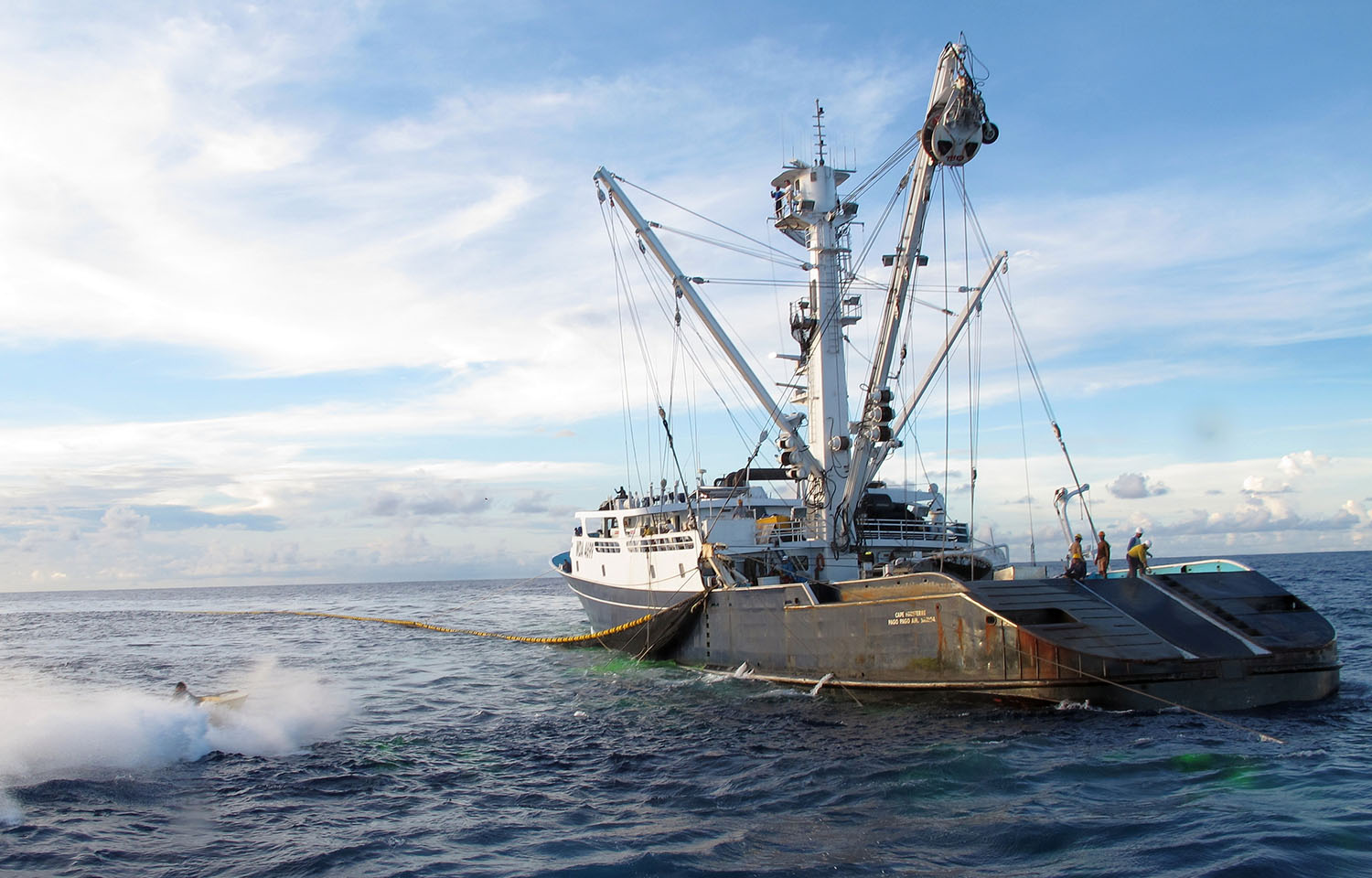
The International Seafood Sustainability Foundation (ISSF) has adopted new conservation measures that expand its third-party labor audit requirements for the tuna industry.
ISSF said its new conservation measures will expand third-party labor audit requirements for land-based tuna production facilities and will require additional longline vessels supplying any ISSF participating companies to be listed in the foundation’s ProActive Vessel Register (PVR).
The PVR is an integral part of ISSF’s efforts to enhance the sustainability of tuna stocks. It receives inputs from key stakeholders to create a tool that helps communicate verified information about sustainability practices.
Any vessel on the PVR is independently audited on compliance with ISSF’s conservation measures, and implementation status is directly searchable using the tool.
“As ISSF’s measures evolve, ISSF participating companies are making commitments that cover more of their operations and supply chains,” ISSF President Susan Jackson said. “With these two new measures, we are expanding what we verify and report publicly so that market stakeholders and NGOs can see how companies follow through.”
According to a release by ISSF, the labor audit standard changes, “Conservation Measure 9.3 – Social Audits for Non-Owned Land-Based Tuna Production Facilities,” builds on the previous standard, which also established labor audit requirements for facilities owned or controlled by ISSF participating companies. The 9.3 standard extends those audit requirements beyond owned facilities to non-owned facilities.
ISSF currently has over two-dozen participating companies, including major tuna companies like Bumble Bee, StarKist, and Thai Union.
Based on the changes, all participating companies will need to, by 15 March 2030, have conducted third-party audits for all covered supplier facilities, or scheduled an audit for before 15 December 2030. They will then need to maintain the validity of those audits, and any new facilities will be required to be audited by 15 March of the second following calendar year after being used.
The audits must use a third-party labor audit program listed in the measure or another program recognized by the Sustainable Supply Chain Initiative, ISSF said.
The new PVR requirement will require participating companies that are purchasing any albacore, yellowfin, or bigeye tuna from covered longline vessels to ensure those vessels are listed on the PVR. The requirements will be phased, and vessels measuring at least 24 meters will need to meet the requirement for fishing trips beginning on or after 1 April, 2028. The next phase will be for vessels measuring at least 20 meters and begins on 1 April 2029.
“More than 900 longline vessels are already listed on the PVR – more than double the number in 2020,” ISSF said. “The PVR is publicly accessible and free to use, and tuna fishing vessels can register at no cost. The register shows vessels’ audited status against applicable ISSF measures, including those on bycatch mitigation.”
