


A record number of fisheries re-certified to the Marine Stewardship Council (MSC) standard in the past year, according to the organization’s latest annual report.
The MSC is closing in on 30 years in existence, having formed in 1997 as a nonprofit organization before launching the MSC Fisheries Standard in 1998. Since that time, the organization has continued growing; according to its annual report, it recently reached 789 fisheries engaged in the program, an increase of 7 percent year over year, with 600 certified to the MSC Fishery Standard and a record 115 re-certifications in the past year.
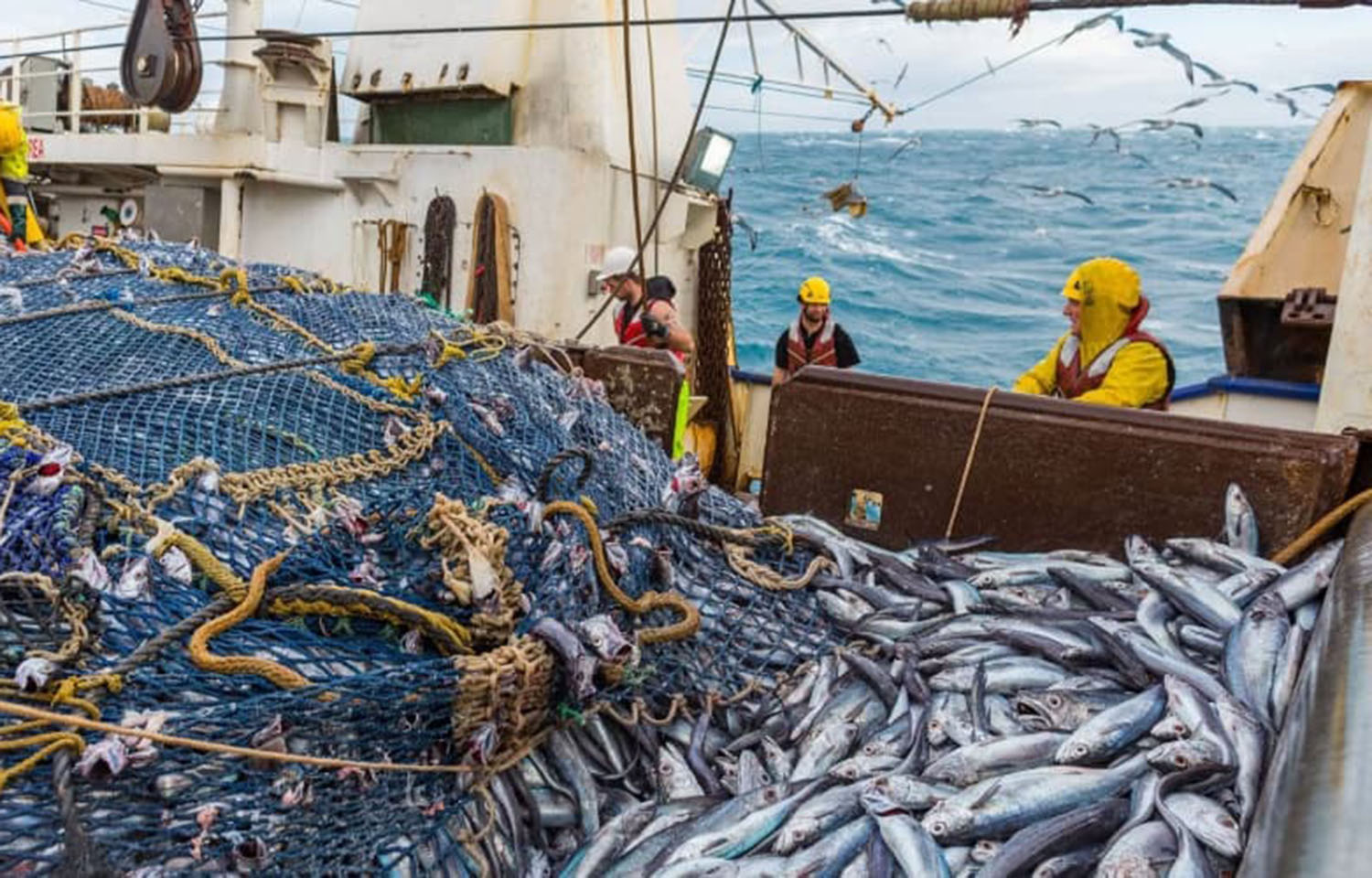
Among those, the New Zealand hoki fishery achieved its fifth recertification, meaning it has been in the MSC program for 25 years.
"For almost three decades, the MSC has been part of a remarkable collective commitment, working with partners throughout the seafood sector to transform seafood markets, raise standards, and drive positive change on the water,” MSC CEO Rupert Howes said in a release. “The record number of fisheries engaged with our Program is testament to that commitment.”
The MSC said that over 71 percent of the global whitefish catch and more than half of the world’s global tuna catch now comes from certified fisheries, and fisheries engaged with the MSC represent a fifth of global marine catch. Roughly 19.5 percent of all wild marine catch is engaged with the MSC in some form, with 63 different countries engaged in the program.
The certification body said in addition to fisheries with certification, 40 fisheries are engaged in its Improvement Program – including the Peruvian giant squid fishery. That fishery was accepted into the MSC Improvement Program in December 2025 in a process led by the Peruvian Chamber of Jumbo Flying Squid (CAPECAL).
Howes said the annual report comes amid geopolitical upheaval, record ocean temperatures, and headwinds against international cooperation – making the need for an independent certification body like the MSC greater than ever.
MSC said it experienced some milestones in 2025/2026, including in the British Columbia, Canada groundfish trawl fishery, which achieved MSC certification in December 2025. The complex, multispecies trawl fishery achieved MSC certification in early 2026, covering both bottom trawl and midwater trawl fishing in Pacific waters for 16 groundfish species – including sole, sablefish, lingcod, pollock, and more.
“The transformation the BC Groundfish Trawl fishery has undergone is nothing short of remarkable,” MSC Canada Program Director Kurtis Hayne said in the report. “They have established a compelling blueprint for environmentally sustainable trawling that we hope will inspire many more to follow.”
MSC said other major milestones include the recertification of Alaska pollock, which marked 20 years with certification, and multiple new commitments by major brands like Tesco to selling 100 percent MSC-labelled products.
“This progress would not be possible without the vision and leadership of our market and supply chain partners,” Howes said. “Thanks to their efforts, both the volume and the market value of MSC labelled seafood reached record levels this year.”
MSC said awareness of the MSC label has been steadily growing, and 53 percent of 30,000 consumers polled in 23 markets worldwide were aware of the MSC labeling; 41 percent said they understood its meaning, and 81 percent said they trutsed the label.
“Amidst a challenging consumer landscape, the MSC ecolabel is more trusted than ever and continues to be an important consideration at point of purchase,” MSC Head of Marketing Richard Stobart said. “Consumers rely on the blue fish label to make sustainable seafood choices that help protect the ocean.”
The MSC is not without its share of critics. In Alaska, a coalition of nonprofits, fishing organizations, and tribal groups have criticized its recertification of certain fisheries. The entire certification industry is also the target of a lawsuit claiming seafood brands selling on Amazon misleadingly use sustainability claims on products bearing the MSC label. A Make Stewardship Count report also argued the seafood industry was facing increasing legal, regulatory, and investor risks through reliance on the MSC label.
Howes said the MSC’s mission is still to ensure global fisheries move toward sustainability, to ensure seafood continues to be an available food source for millions of people.e
“We ultimately need 100 percent of the ocean to be managed to secure the health of marine ecosystems and the sustainability of the seafood supplies that provide a precious renewable source of nutrition and livelihoods for hundreds of millions of people,” Howes said in his intro to the report. “We need to accelerate our collective work to end overfishing.”
