



The General Fisheries Commission for the Mediterranean (GFCM) has adopted 11 binding recommendations and two resolutions aimed at strengthening the sustainability of fisheries and aquaculture across the Mediterranean and Black seas.
Among the main outcomes agreed upon by representatives of 25 countries meeting at the Food and Agriculture Organization (FAO) headquarters in Rome, Italy, from 26 to 30 October, were the extension and upgrading of multiannual management plans for several fisheries.
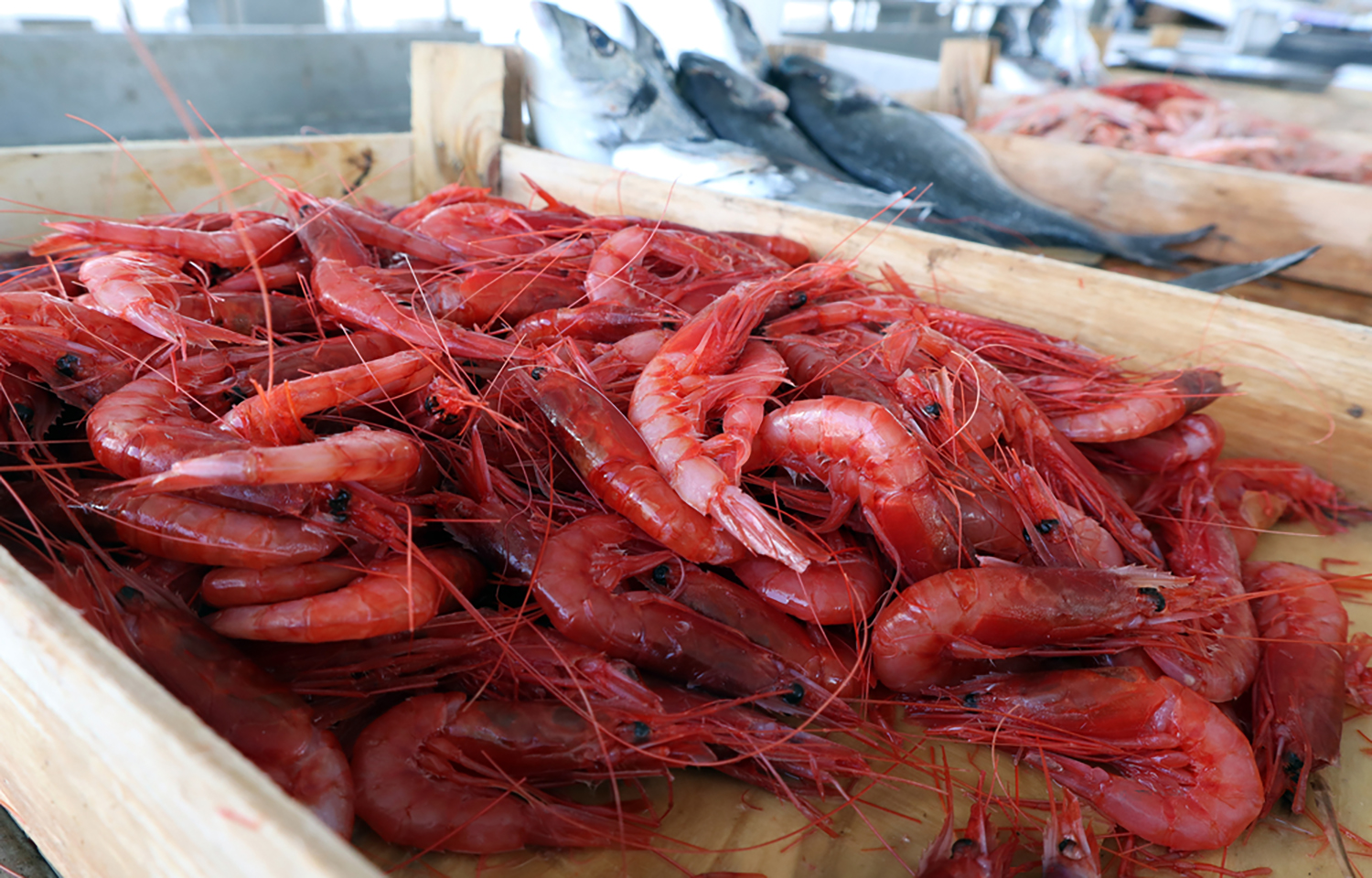
These longer-term strategies cover such species as common dolphinfish, or mahi, across the Mediterranean; deepwater red shrimp in the Strait of Sicily, Ionian Sea, and Levant Sea; and European hake and deepwater rose shrimp in the Strait of Sicily, providing a framework for adjusting measures in response to scientific assessments and developments in fisheries.
Under its updated plan, common dolphinfish, which the GFCM considers sustainably exploited, will benefit from new fishing opportunities. Algeria's fishing industry has particularly welcomed the development, with the Algerian Chamber of Fisheries and Aquaculture’s First Vice-President Cherif Telli saying it would allow fishers to diversify their catch and boost their incomes.
Additionally, GFCM set new catch limits for Adriatic small pelagics and additional technical measures for Black Sea turbot fisheries, the latter of which includes new mesh-size options subject to the mandatory use of porpoise-alerting devices to deter bycatch.
The GFCM also endorsed a new seven-year management plan for such demersal species as red mullet, European hake, common sole, and Norway lobster in the Adriatic Sea, building on progress achieved under the commission’s previous regime.
“The future of the Mediterranean [Sea] and the Black Sea depends on countries working together,” GFCM Chairperson Eyüp Mümtaz Tiraşin said. “The decisions regarding fisheries and aquaculture adopted this week demonstrate that regional cooperation can deliver concrete results.”
Other fisheries decisions include reducing 2027 catch limits and fishing effort for blackspot sea bream in the Alboran Sea compared to 2026 and extending transitional management measures for Black Sea piked dogfish fisheries. The Bari Canyon fisheries restricted area in the Mediterranean will also be extended, the commission confirmed.
Alongside fisheries measures, GFCM reviewed the first full year of operation of its strengthened compliance assessment scheme. This system is intended to provide a more detailed assessment of how contracting parties meet their obligations, including compliance with catch limits and quotas, reporting requirements, and monitoring and control measures.
GFCM Compliance Committee Chairperson Neil Ansell said the scheme had provided a more comprehensive picture of compliance for the first time.
“Where shortcomings are identified, the scheme provides a structured collaborative framework for agreeing on follow-up measures and assistance for improving future compliance,” he added.
GFCM also agreed to strengthen regional cooperation on monitoring, control, and surveillance, including vessel monitoring systems and joint inspection schemes. Information exchange will be supported by the operationalization of the GFCM Monitoring, Control, and Surveillance Portal, while the launch of GFCM-Lex – a regional repository of national fisheries and aquaculture legislation – is intended to improve access to regulatory information.
Aquaculture was another focus of the meeting, with the commission recognizing that marine and brackish water farming now accounts for more than 45 percent of aquatic food production in the Mediterranean and Black seas region.
Countries adopted a resolution containing guidelines for improving marine finfish welfare in aquaculture, building on work undertaken through the University of Crete and the Mediterranean Marine Finfish Aquaculture Demonstration Center.
A second resolution addresses abandoned, lost, or discarded aquaculture gear, with the guidelines aiming to prevent equipment loss, improve reporting and recovery, and encourage reuse and recycling to reduce the environmental impacts of aquaculture operations.
European Commissioner for Fisheries and Oceans Costas Kadis said the latest decisions demonstrated the value of coordinated regional action.
“The evidence shows that when we are ambitious and act together, we are effective. Through the GFCM, we have a strong and trusted framework for action. We can, and must, protect our common sea and build a more resilient future for the communities that depend on it,” he said.
