



Seattle, Washington, U.S.A.-based nonprofit conservation organization Wild Fish Conservancy (WFC) has announced its intent to sue NOAA and Alaska state officials over commercial and sport salmon fisheries along the Alaskan Peninsula over regulation concerns.
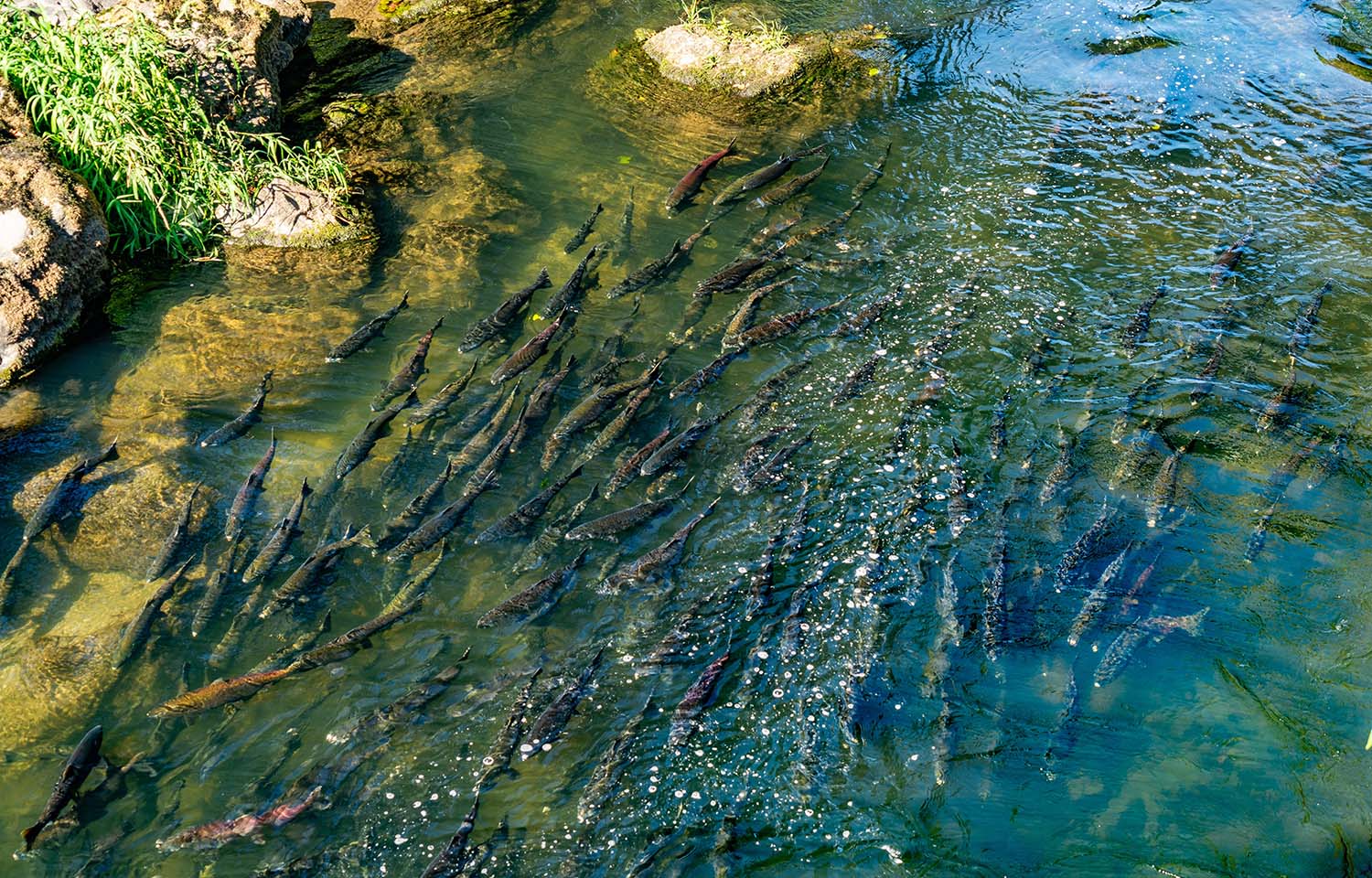
“These are interception fisheries harvesting migrating salmon on their way home to rivers that in some cases are hundreds or thousands of miles away,” WFC Executive Director Emma Helverson said in a release by the organization. “Communities in Washington, Oregon, Idaho, and British Columbia have closed fisheries, removed dams, and restored habitat to bring these fish home. Yet these same salmon are being caught in Alaska without the federal government even accounting for how many are protected under the Endangered Species Act. We’re taking this action because conservation responsibility cannot stop at political borders.”
WFC cited 2025 research published by the Alaska Department of Fish and Game (ADF&G), which found "nearly 9 out of 10 Chinook salmon" caught commercially in South Alaskan Peninsula waters between 2024 and 2025 originated outside of the state. The organization criticized ADF&G's management of the Chignik area and around Kodiak Island, and has petitioned the North Pacific Fishery Management Council and NOAA to develop a federal fishery management plan for salmon fisheries along "Area M" and Kodiak.
The management of "Area M" came under fire in 2025, after the Aleutians East Borough filed a formal ethics complaint alleging a conflict-of-interest vote took place on the Alaska Board of Fisheries council regarding the self-regulated management program. The lawsuit was dismissed in May 2026 after Alaska Attorney General Cori Mills deemed the board's votes on five regulations as "unlawful." WFC said NOAA Fisheries removed "Area M" from federal salmon management plans in 2012 and deferred the management to the state of Alaska, but the organization said new research published in February 2026 by ADF&G showed Chinook populations were from rivers outside of Alaska.
"No Chinook spawning populations are documented anywhere in the South Alaska Peninsula area," WFC said. "In neighboring Chignik, the area’s only Chinook run has failed to meet its spawning goal in five of the last six years, prompting the Alaska Board of Fisheries to designate it a stock of management concern in 2023."
In WFC's most recent intent to sue filing, the notice letter said by allowing the state, instead of the federal government, to manage the fishery, impacts to Chinook populations were never discussed, and a 2012 environmental review under the National Environmental Policy Act was never updated.
“Taxpayers have spent more than USD 9 billion (EUR 8 billion) over the past four decades trying to restore salmon and steelhead in the Columbia Basin, where populations like Upper Willamette spring Chinook are still threatened with extinction,” Helverson said. “That investment can’t pay off if the fish it was meant to recover are harvested off the Alaska Peninsula before they ever make it home. As the United States and Canada renegotiate the Pacific Salmon Treaty, we have an opportunity to address a fundamental inequity in how salmon are managed by ensuring every fishery harvesting these fish shares responsibility for their recovery.”
The lack of Endangered Species Act (ESA) oversight has further increased the threat on the population, WFC said.
“You can’t conserve what you don’t account for,” WFC Legal Director Conrad Gowell said. “Fishing communities in Washington and Oregon are required to strictly limit their catch of threatened and endangered Chinook, while fisheries managers in Alaska directing harvest on those same fish are not participating in the coastwide effort to conserve them. The Magnuson-Stevens Act is clear that conservation and management measures cannot discriminate between residents of different states, and that fishing privileges be allocated fairly and equitably. Bringing these fisheries under a federal plan is how that standard is met, and how the burden of conservation is shared fairly beyond the communities and watersheds where these fish return home.”
In a release, ADF&G said the organization received the notice of intent to sue by WFC, and criticized the nonprofit for past work in suing to shut down Southeast Alaska troll fisheries with a petition to list all Chinook stocks in the Gulf of Alaska as threatened or endangered under the ESA. That petition was denied in May 2026 by NOAA.
"The appeals court found that shutting down the fishery was not justified, and the National Marine Fisheries Service (NMFS) determined that ESA listings were not warranted. Sweeping and broadly framed allegations appear again in their latest complaint," ADF&G Policy Advisor Dani Evenson said in a release. “The WFC intent letter is wide ranging – involving salmon stocks from the Yukon to Oregon, 3 management entities, 3 fishing areas, 3 federal laws, 2 lawsuits, and 1 petition. It’s a lot to unpack. We’ll know more if we receive a lawsuit.”
ADF&G Commissioner Doug Vincent-Lang added that sustainable management of fisheries is the "bedrock concept" of salmon management programs and the lawsuit was an "unfounded allegation."
“We do not take such unfounded allegations lightly," Vincent-Land said. "As we did with the previous unjustified actions by this group, we will defend Alaska’s fisheries.”
In September 2026, U.S. President Donald Trump's administration rolled back the definition of "harm" under the Endangered Species Act, leading to a coalition of 21 states to file lawsuits.
