



The Commission for the Conservation of Antarctic Marine Living Resources (CCAMLR) has once again closed its annual meeting without any krill conservation measures.
Ahead of the annual meeting, multiple NGOs were pushing for the members states of CCAMLR to establish a marine protected area (MPA) in the Antarctic Ocean, adopt precautionary krill fishery management measures, and develop a roadmap to more MPAs by 2030. The regional fishery management organization (RFMO) had been working to reach a consensus to set quotas for krill but has failed to do so in one of the key krill-fishing areas of the Antarctic Ocean, Zone 48.1, despite attempting it for multiple years.
The limits for Zone 48.1 would have capped krill fishing in the area to 395,000 metric tons (MT) and replaced a safeguard that lapsed in 2024 that was intended to spread krill fishing effort to more areas of the Antarctic Ocean. Despite the calls from NGOs and another two weeks of negotiations, CCAMLR failed to enact an MPA, or establish any safeguards, for the third year in a row.
"CCAMLR was created to conserve Antarctic marine life, and yet, year after year, it has not delivered on its conservation mandate,” Blue Marine Foundation Antarctic Campaign Lead Sarah Locke said. “In 2009, CCAMLR members promised Antarctica a network of marine protected areas. Seventeen years later, only two exist.”
Antarctica2030 said the failed meeting is the 10th straight year that CCAMLR has failed to designate a new MPA, “despite clear science and proposals that are ready to adopt.”
“Antarctica has a long history of successful international cooperation. The science is clear, the proposals are ready, and the political support is within reach,” José María Figueres, the chair of Antarctica2030 and the former president of Costa Rica, said. “The health of the planet depends on conserving Antarctica and the Southern Ocean, so CCAMLR must persist in its efforts to achieve consensus. It is CCAMLR's responsibility to protect the Southern Ocean. The world cannot wait.”
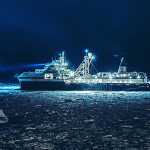
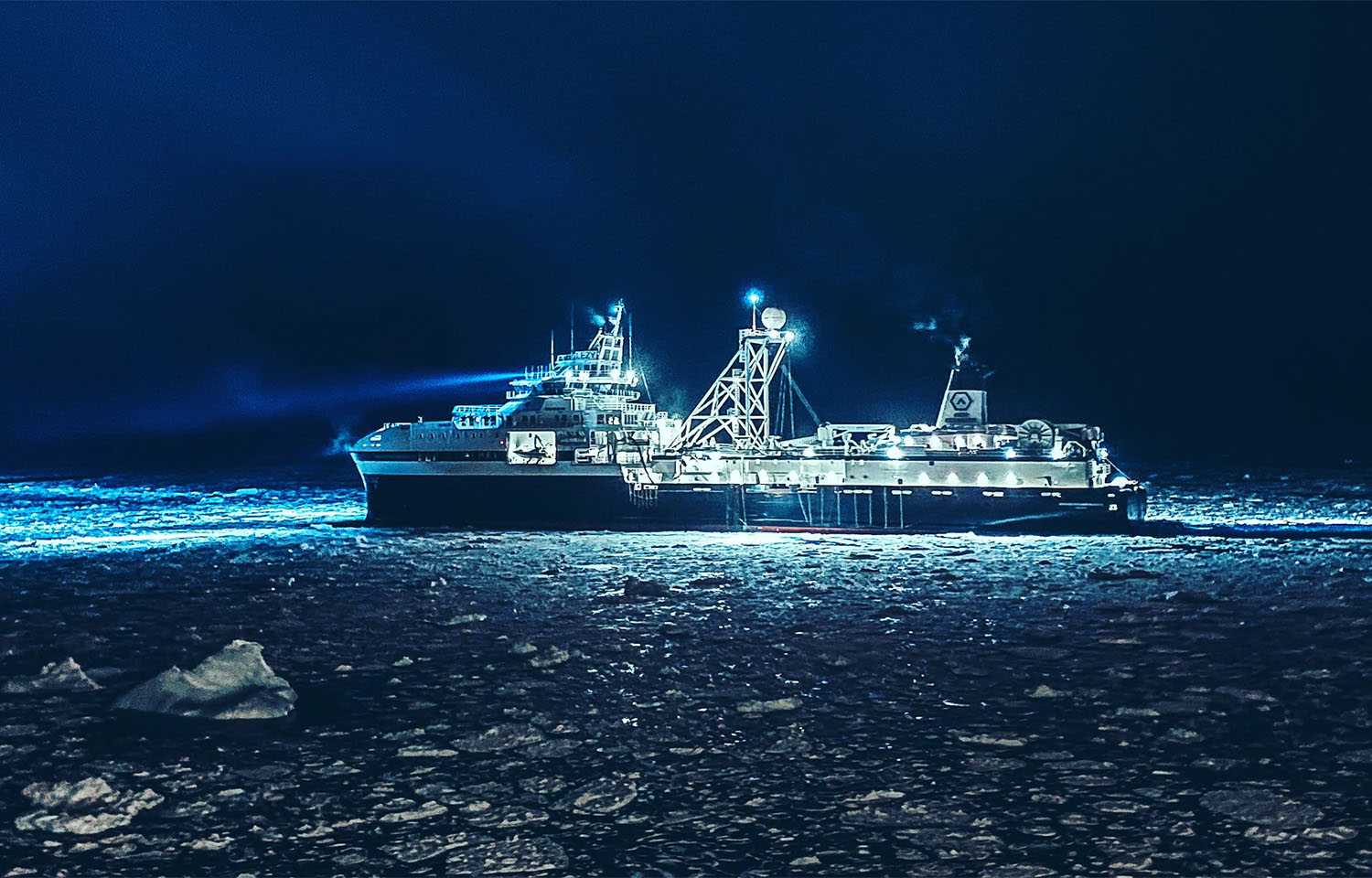
The calls for greater protections come as krill fishing in the area has expanded heavily in recent years. In 2025, major krill-fishing companies hit a 620,000-MT precautionary ceiling on catch that had never been hit before. In 2026, the companies hit that limit for the second time, drawing more criticism from NGOs.
The calls also come as ocean sustainability elsewhere has seen substantial progress in recent years.
Other RFMOs, like those for tunas, have undertaken steady improvements in fisheries management, and the United Nations Agreement on Marine Biological Diversity of Areas beyond National Jurisdiction (BBNJ Agreement), widely known as the High Seas Treaty, was adopted and entered into force in early 2026. The first ever conference of parties (COP) for that treaty is approaching, and Monica Medina, a Antarctica2030 champion and a former U.S. assistant secretary of state for oceans, said CCAMLR should join that growing push.
“With the first COP of the High Seas Treaty just months away, the tide is turning on ocean conservation. Some may think that the ocean is too big to fail; it is not,” she said. “CCAMLR must catch up on its commitment. Now is the time for the commission to redouble its efforts to regain its role as a conservation pioneer. With a network of Southern Ocean MPAs awaiting adoption, this is the moment to forge ahead with diplomacy and courage.”
Krill-fishing company Aker QRILL, a subsidiary of Aker BioMarine, has also advocated for an additional MPA, as well as a more “spatially managed” fishery that spreads out krill fishing.
"We depend on a healthy Antarctic ecosystem. Protecting important habitats and managing fishing activity based on the best available science is in everyone's interest,” Aker BioMarine CEO Matts Johansen said. “We believe stronger marine protection and a responsibly managed krill fishery can go hand in hand. Getting the details right matters, and that’s how cooperation through CCAMLR can move forward.”
The company has continuously pointed out that while the fishery has been hitting the precautionary limit, the catch amount is a fraction of the estimated 60 million MT biomass estimated to be in the water.
However, SFP Global Supply Chains Director David Martin told SeafoodSource during the meeting that there has not been a reliable fishery-independent survey of the krill fishery since 2019, “well beyond a generation time for krill.”
“As such, there is high uncertainty surrounding the current biomass and exploitation without those surveys,” he said.
As CCAMLR has failed to act again, the Antarctic Wildlife Alliance, Our Antarctica Campaign, and Bob Brown Foundation have called for consumer and retailer action to force change. The organizations pointed out that retailers in Europe have already removed krill products from shelves, and in the U.S., Whole Foods Market has also removed krill oil supplements. It called for consumers and retailers to work together to reduce demand for Antarctic krill.
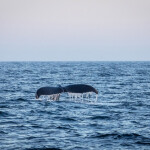
"CCAMLR has an obligation to conserve Antarctic wildlife, but its continued failure to act is leaving penguins, seals, and whales competing with industrial fishing vessels for their food. We cannot keep waiting for governments to do their jobs,” Antarctic Wildlife Alliance Chief Campaign and Policy Officer Andrea Kavanagh said. “Consumers and retailers have the power to act right now. Antarctic wildlife cannot choose another food source. We can choose to leave their food in the ocean."
