




NOAA Fisheries is seeking feedback on a plan to allow shrimp trawling in the Oculina Bank off the eastern coast of Florida, despite concerns that it could damage rare coral.
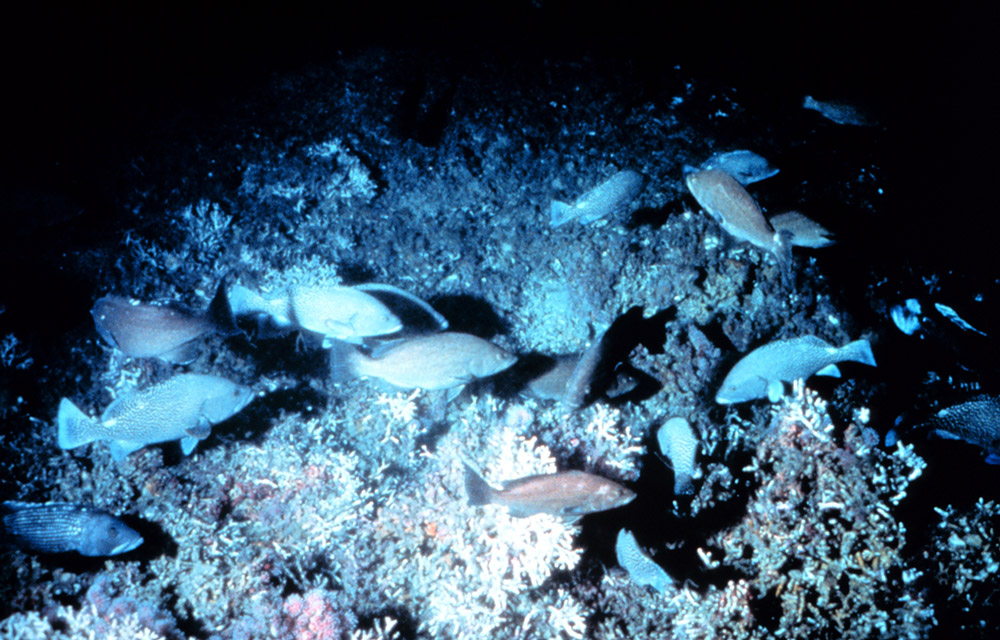
“Reopening the Oculina Bank to trawling places one of the crown jewels of U.S. oceans at potential risk and could destroy some of the last remaining ivory tree coral structures on the planet,” Oceana Marine Scientist Alex Aines said in a release. “This fragile and critically important area has been rightfully protected for more than 40 years, and there’s simply no good reason to reopen portions of it now or ever.”
The 92-square-nautical-mile Oculina Bank Habitat Area of Particular Concern (OHAPC) was established in 1984 to protect a unique ivory tree coral ecosystem from trawling, which had already caused significant damage. The designation included a ban on the use of bottom trawls, bottom longlines, dredges, traps, and pots in the area. OHAPC was later expanded in 2000 and again in 2014. The second expansion included a small strip of a valuable rock shrimp fishing ground, and despite concerns raised by commercial fishers at the time, the South Atlantic Fishery Management Council moved forward with it.
The council later attempted to reopen access to the rock shrimp fishery in 2020, but the effort was rejected by the administration of former U.S. President Joe Biden for not adequately addressing habitat and bycatch concerns. The council then worked to incorporate the administration’s feedback and repropose the establishment of the shrimp fishery access area.
The plan drew mixed responses from the council’s advisory groups, with the Deep-Water Shrimp Advisory Panel claiming that shrimpers are skilled enough to avoid sensitive habitat and the Coral Advisory Panel and the Habitat and Ecosystem Advisory Panel suggesting sediment stirred up from trawling could still damage the coral.
Despite those concerns, the council recommended the creation of the shrimp fishery access area in January 2025, noting that the plan includes a buffer zone between known coral pinnacles and the fishing area to help decrease the impact of sediment kicked up by bottom trawling. An April 2025 NOAA Fisheries high-resolution acoustic mapping mission suggested that the proposed area does not include the high-relief mounds needed for ivory tree coral.
Now, NOAA Fisheries is soliciting feedback on the plan, with comments accepted through 17 November.
In a statement, Oceana repeated its concern that bottom trawling risked damaging the rare coral.
“These unique and ancient coral colonies can be hundreds of years old but can be wiped out by a single pass of a trawl net,” Aines said. “NOAA Fisheries’ proposal puts a unique habitat unlike anything in the world at risk of eradication, putting not just these corals at risk but also the economically valuable commercial and recreational fish populations that rely on them for survival. NOAA Fisheries must not move forward with this short-sighted move to sweep the Oculina Bank into history.”
