




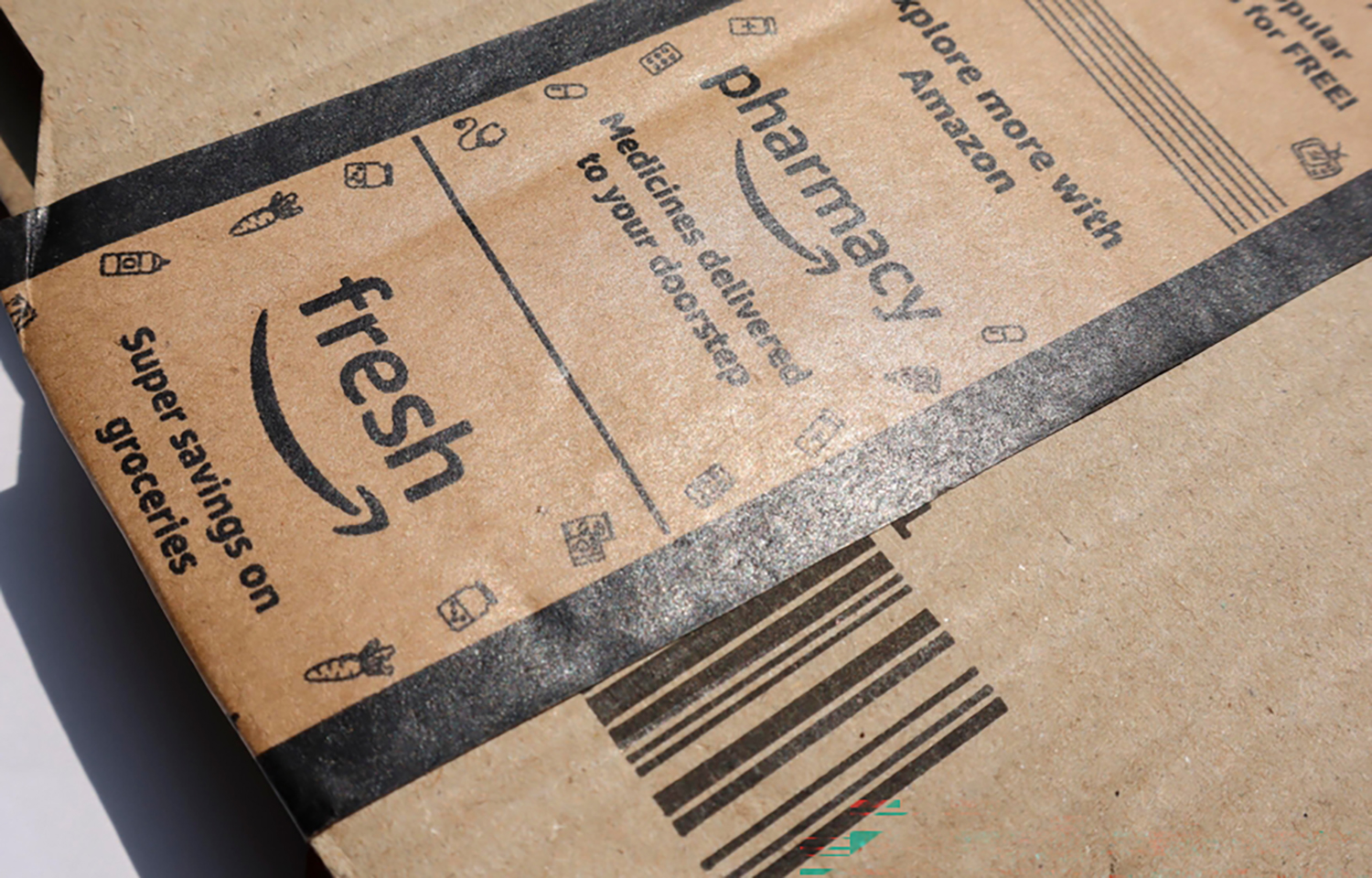
U.S. retail giant Amazon has realized a quick return on its investment after expanding its home delivery service to include perishable goods last summer, according to a new report from consumer intelligence firm NielsenIQ.
The report, titled “Amazon's Perishables Expansion Is Reshaping How Shoppers Use the Platform,” found that delivery of perishable items such as seafood, meat, dairy, bakery goods, and more are growing “considerably faster” than traditional grocery and non-food items.
It also found shoppers are now embracing Amazon for categories that traditionally represented one of the largest barriers to online grocery adoption.
Thanks to Amazon’s expanded services, sales of fresh, frozen, and shelf-stable seafood soared 888 percent on the platform for the 12 weeks ending August 29 compared to the previous year, outpacing the growth of any other retail category.
“One year after bringing perishables into Amazon’s core shopping experience, the company’s grocery investments are beginning to reshape shopper behavior. Greater participation in fresh food categories is driving more frequent engagement with the platform and helping Amazon secure a larger role in everyday household spending,” NielsenIQ Director of E-Commerce Thought Leadership Jack O’Leary said in the report.
Outside of the NielsenIQ report, Amazon independently confirmed a grocery sales spike in its Q3 earnings release, saying that globally, fresh groceries and everyday essentials grew about three times faster than the rest of the digital store. Plus, groceries represented about half of all units sold in Q3.
“Increasing speed is fueling our grocery business, including perishables and everyday essentials,” Amazon President and CEO Andrew Jassy said during the company’s Q3 earnings call, per Supermarket News, adding that monthly orders of fresh groceries placed by Amazon Prime members for free same-day delivery have more than tripled and customers who shop perishables with same-day delivery buy nearly seven times more units of everyday essential items than those who don’t shop for perishables.
Amazon is also using “substantial” price reductions to encourage trials of fresh food delivery – a strategy that is paying off according to NielsenIQ, which found, for instance, that the retailer dropped the equalized price of salmon 2.1 percent over the past year, with sales by value increasing 154.7 percent in the same time frame.
Amazon’s perishables offering is particularly gaining traction among “high-value” households, per NielsenIQ, resulting in increased competition for traditional grocery retailers. Amazon’s perishables shoppers spend more than USD 1,300 (EUR 1,200) annually above the platform’s average.
When it expanded its grocery delivery service last year, Amazon said its specialized, temperature-controlled fulfillment network “ensures customers receive fresh, high-quality perishable grocery items, with every item undergoing a six-point quality check upon arrival and before leaving for delivery.” Temperature-sensitive products are delivered in insulated bags that are recyclable in most cities’ and towns’ curbside recycling programs.
