




The European Fat Processors and Renderers Association (EFPRA) has released a new whitepaper calling on E.U. regulators to allow more animal byproducts as a source of protein in feed products, a change it said would help the aquaculture industry.
The global aquaculture and feed sectors have been increasingly exploring the potential of alternative ingredients amid an anticipated fishmeal shortage.
A 2025 Rabobank analysis reported that 90 percent of the world’s fishmeal and as much as 70 percent of the world’s fish oil goes to the aquaculture sector. Aquaculture production is only expected to grow in the coming years, while wild-capture stocks that supply most of that fishmeal and fish oil are already at the limits of what can be harvested sustainably. El Niño conditions are already impacting Peru’s anchovy fishery, adding another complicated wrinkle to supply issues.
In response, the aquaculture sector has turned to insects and algae, among other inputs, as potential feed sources.
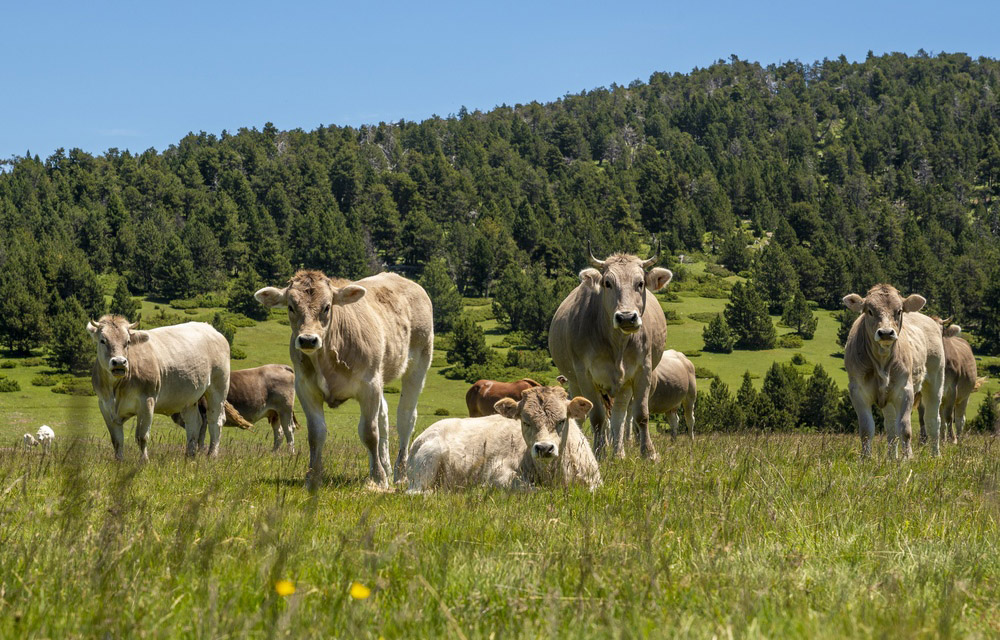
EFPRA said there’s another untapped source for feed protein – byproducts from ruminants, a category of hoofed animal that includes cattle and sheep. However, current E.U. regulations ban the use of ruminant processed animal proteins (PAPs) in feed for non-ruminants. If the E.U. removed that ban, feed producers would have access to roughly 1.2 million tons of protein from rendered and processed animals, EFPRA claims.
“EFPRA members produce nearly 3 million tons of feed-grade protein meal each year with the strictest standards in the world for sourcing and safety. With regulatory change permitting more end uses, we can make an important contribution to closing the protein gap,” EFPRA Technical Director Martin Alm said in a post outlining the new whitepaper.
However, according to EFPRA, the E.U.’s new Livestock Strategy and Protein Action Plan does not include animal byproducts as a potential source of protein for animal feeds.
Currently, the E.U. exports roughly 30 percent of feed-grade animal proteins while importing other protein sources, like soy, to meet demand. The prohibition puts producers in the E.U. in a more difficult position than those in other parts of the world, EFPRA said.
“Europe has the strictest processing requirements and safest animal protein sourcing worldwide,” Alm said, noting that modernizing regulations “offers an opportunity to put the goals of the new E.U. Livestock Strategy into practice by supporting more sustainable, competitive, and resilient livestock farming without compromising animal health, consumer protection, or food safety in Europe and its export markets."
"The protein source is already available, let’s use it to reduce the protein deficit," he said.
Insect feed producers have also pushed for changes to E.U. regulations, as producers are not allowed to use most organic waste as feedstock for their insects like they can in other parts of the world.
