
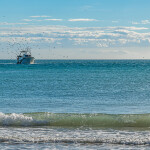




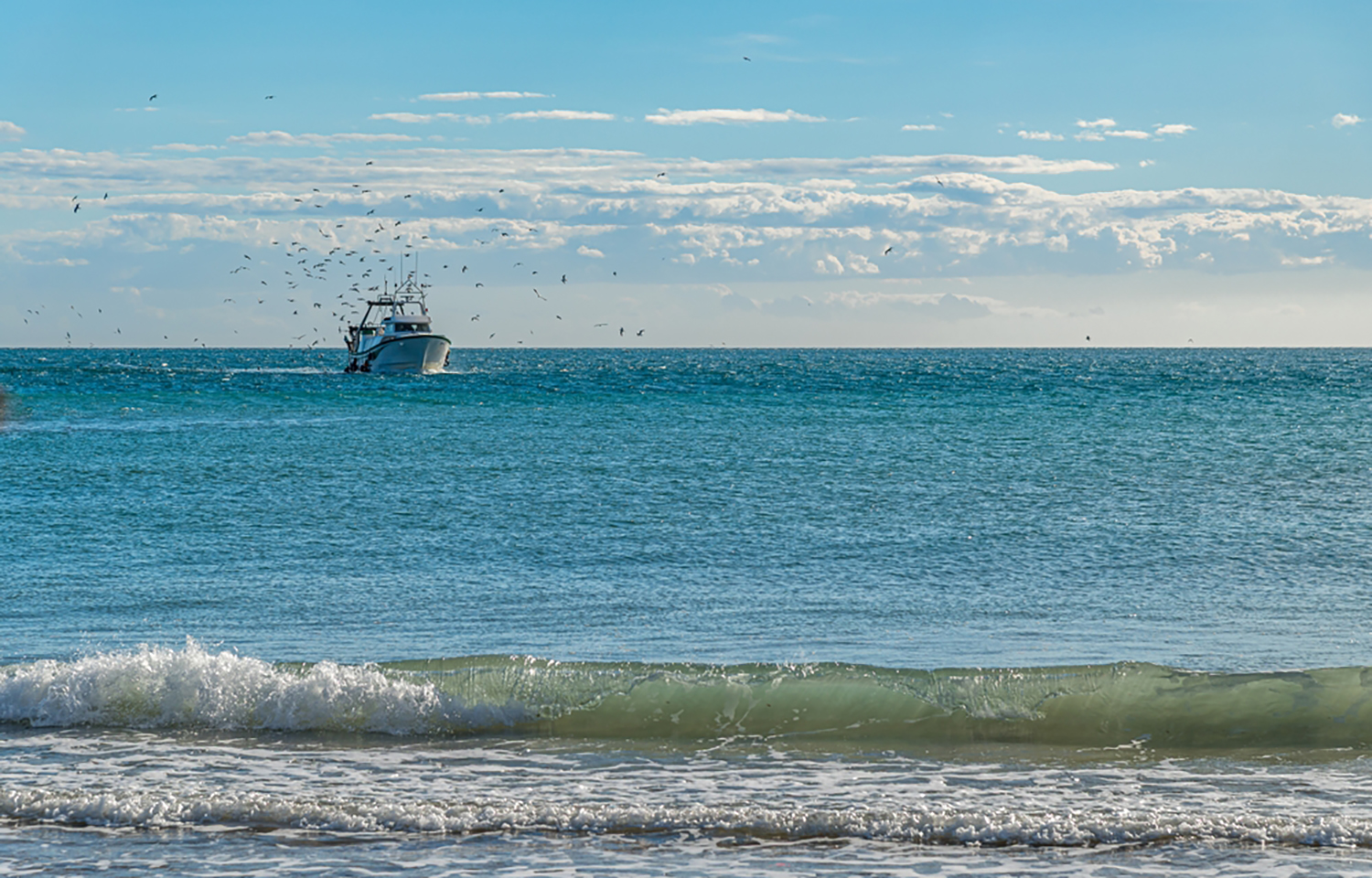
A scheme that rewards Western Mediterranean trawlers with extra days at sea in return for adopting more selective gear needs a fundamental simplification if fish stocks are to recover in the region, according to a new assessment from ocean conservation NGO Oceana.
In a recently released report, Oceana scrutinized the E.U.'s "compensation mechanism," which was introduced by the European Council in 2022 as part of the Western Mediterranean Multi-Annual Plan (MAP). The mechanism lets vessels earn additional fishing days by implementing conservation measures such as seasonal closures or larger mesh sizes, designed to protect juvenile and spawning fish and cut overall fishing mortality.
Four years on, however, Oceana said the system has become difficult to verify, noting that what started as a straightforward scheme with four eligible measures in 2022 had inflated into a 14-measure framework by 2026. It also argued there is no transparent methodology linking the number of extra days awarded to actual conservation benefits each measure is supposed to deliver.
Monitoring hasn't kept pace either, according to Oceana, claiming data submitted by E.U. member states is scattered across separate publications, inconsistent in format, and rarely assessed against biological outcomes, making it hard for anyone, including regulators, to judge whether the trade-off between conservation gains and extra fishing pressure is actually paying off.
Not all the tools in the compensation mechanism net equal environmental benefits, Oceana's analysis suggests.
Larger mesh sizes and other selective-gear measures came out on top, presenting the clearest scientific evidence of reducing catches of juveniles and spawners. Well-designed closures also scored well, though the study notes their success hinges on getting logistics such as duration, location, and timing right. The NGO added closures need to avoid simply displacing fishing effort elsewhere rather than reducing it and that longer, targeted closures fared better than short ones lasting only a few weeks.
At the same time, Oceana flagged several measures with unproven contributions to cutting fishing mortality, such as flying trawl doors, minimum size increases introduced without accompanying gear changes, poorly designed closures – including one in waters deeper than 800 meters – and vessel-scrapping schemes.
Oceana argued these may have merit for other environmental or socioeconomic reasons but that shouldn't be enough to justify handing out extra fishing days.
"The compensation mechanism can play an important role in helping fishers transition to more sustainable practices but only if the conservation benefits at least offset the impact on fish stocks caused by the additional fishing days," Oceana in Europe Campaign Director for Sustainable Fisheries Javier Lopez said, explaining that the mechanism needs to be science-based, transparent and able to demonstrate results if long-term recovery is the goal.
Therefore, Oceana is urging the European Commission and member states to:
- Prioritize proven measures, such as keeping and expanding larger mesh sizes and instituting well-targeted, longer closures;
- Drop measures without demonstrated benefits, including flying trawl doors, standalone size increases, poorly sited closures, and vessel scrapping and address those objectives through other policy or funding channels instead;
- Tie eligibility to evidence by only granting extra days where benefits are additional, provable, and large enough to offset the fishing mortality those extra days create; and
- Standardize reporting by harmonizing national implementation reports and making them both science-based and publicly accessible.
The findings land just ahead of a pivotal moment for Mediterranean fisheries management, with the European Commission due to publish its proposal for 2027 fishing opportunities in the region this month.
