





The availability of a clean and cold seawater resource on South Africa’s coastline has attracted a major salmon farming investment from South African and Danish firm Cape Nordic Corporation (CNC), which plans to build a recirculating aquaculture system to produce salt-water finfish species.
Privately owned CNC has revived plans for the design, construction, and operation of the land-based aquaculture farm near Elands Bay in Western Cape Province.
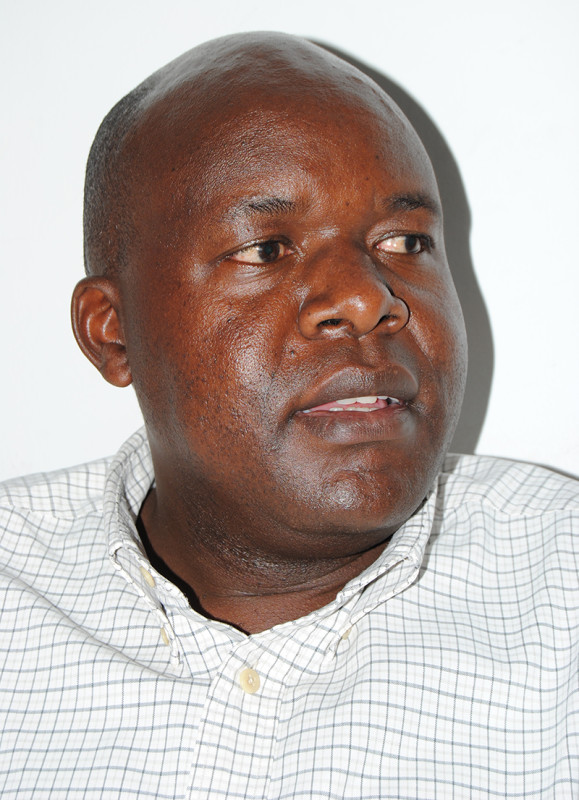
“The CNC project is based Danish experience and know-how and fourth generation RAS technology which is the reason why South Africa and especially the West Coast is a feasible location,” CNC Director Erik Rasmussen told SeafoodSource.
Rasmussen explained that in Southern Africa, land-based farms make more sense due to challenging weather in areas where water temperature is suitable for raising salmon.
Furthermore, Rasmussen said “CNC is not in the business of sea-pen farming because we believe the future is based on RAS technology and sustainable fish production.”
CNC has existing, smaller RAS systems operating in South Africa, but those are mainly designed for abalone and not finfish.
The new CNC project will be larger and suitable for a number of finfish species, and combined with Integrated Multi-Trophic Aquaculture System (IMTAS) and powered by renewable energy with production located close to consumer markets.
“The net effect is more sustainable, healthy production of fish all year-round, avoiding antibiotics, escapees and pollution,” Rasmussen said. “With a low carbon footprint – customers nowadays are much more selective in how their food is produced and our facility is designed to meet the market requirements.”
CNC’s RAS technology, the company previously explained, “allows for strict and transparent control over water quality in the tanks and effluent discharge that is compliant with regulations.”
Rasmussen added that the IMTAS is a new concept that has limited data, but something the company considers important.
“The IMTAS is not the main driver in this project and technically not very challenging, so we do see this as high risk item, on the other hand we don’t see it as a big earner either, but it serves its purpose with the natural biological process of cleaning our discharge water even more than we already do in our RAS facility,” he said.
CNC’s previous reports indicated the company was partnering with Danish RAS technology expert firm Gråkjær A/S in the design of the aquaculture project, which has also been deliberately sited in South Africa’s west coast due to the location being the only coastal area in the country “that has the necessary cold-water temperature that could accommodate the land of finfish culture being proposed.”
Although in a previous report CNC had approximated the project’s capital expenditure at ZAR 1 billion (USD 73.3 million EUR 60.2 million), Rasmussen could not disclose the updated total project costs since it is “confidential at this stage.”
He explained there are four investors in the salmon project “who are financing the project in equal measures up until construction, thereafter the project will be financed by 30 percent equity and 70 percent debt.”
“The substantial CAPEX investment and economic basis of the project is right up there with the latest industry standards and investment norms with the Danish Government backing export guaranties as part of the financing, due to the large portion of Danish technology and know-how in the project,” Rasmussen said.
The CNC salmon project is being developed in three phases, each with a capacity of 2,000 metric tons per year, for an eventual total of 6,000 metric tons annually.
Rasmussen says CNC is optimistic the global salmon market, including that of South Africa, is big and expanding, and that the company will aim at domestic markets as well.
“CNC will, with its South African set-up, not only aims at a good share of import replacement from Norway, but we will also aim for the until now untouched customer base who are likely to buy into our sustainable values and production methods, compared to the sea cage farmed and air freighted imported European salmon,” Rasmussen said.
Photo courtesy of Cape Nordic Corporation
