





Homer, Alaska, U.S.A-based Wild Alaskan Company has continued to build on the flood of business it received during the Covid-19 pandemic, as its customers have continued to embrace the direct-to-consumer seafood model.
Wild Alaskan Company was created by Arron Kallenberg in 2017, bringing together his family’s long history in the seafood industry with his love of computers and programming. Like many other direct-to-consumer business models, it saw a big influx of interested customers who were looking to find sources of seafood as restaurants remained either closed or at limited capacity during the pandemic.
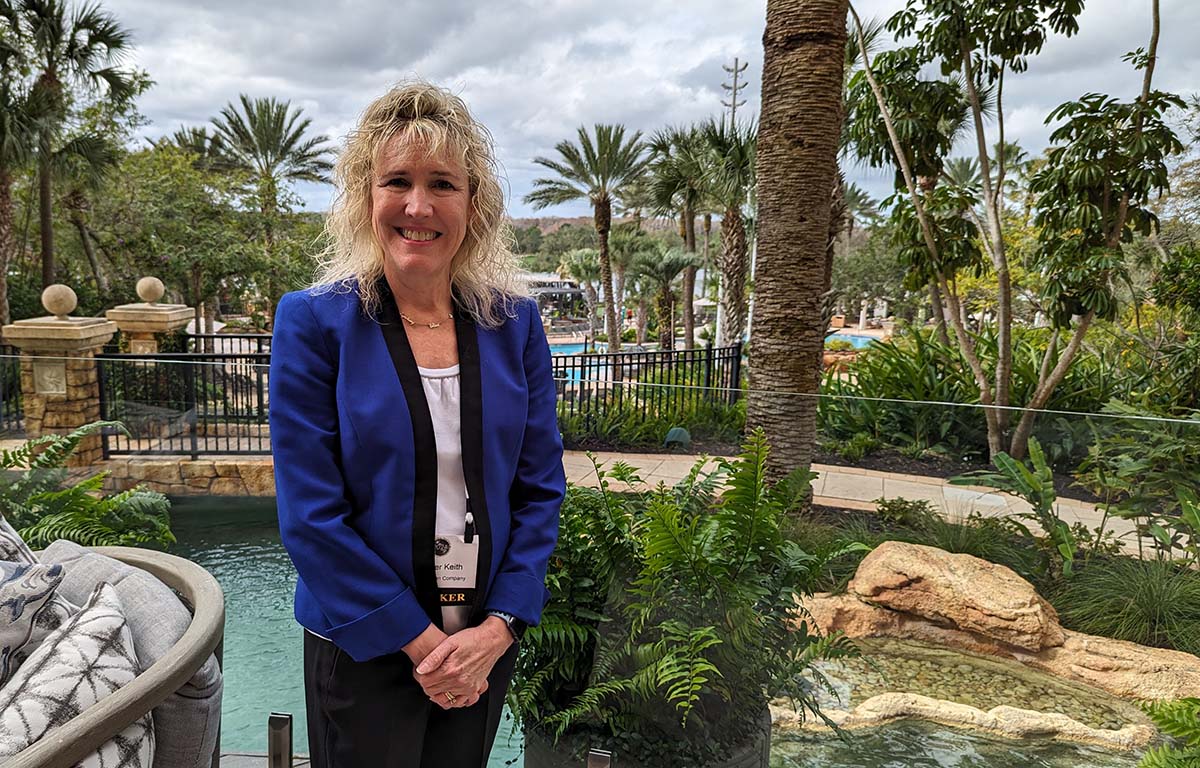
“Covid hit, and the American consumer didn’t want to go out; everyone was scared of everything because there were a lot of unknowns,” Wild Alaskan Senior Director of Procurement Jennifer Keith told SeafoodSource at the 2024 Global Seafood Market Conference taking place in Orlando, Florida, U.S.A., from 23 to 25 January.
Consumers also avoided going to retailers or reduced the number of trips they were taking, further constricting the number of ways in which they were purchasing seafood, Keith said. Wild Alaskan offered a way for customers and the company’s members to get the same seafood they wanted while remaining safe during the pandemic.
Keith said aside from serving as a way for consumers to get the seafood they wanted, Wild Alaskan was also a way that customers who were tired of the same routine to try something new.
“I think people took a chance on something that they may not have taken a chance on previously. Before, the substitute was, ‘I could go to a restaurant and get it cooked for me.’ When you didn’t have that as an option, that became an opportunity [for Wild Alaskan],” Keith said.
Like other direct-to-consumer businesses, the sudden surge in customers during the pandemic presented challenges, but Keith said the company’s existing relationships helped it navigate the difficulties.
“It’s all about having really great supplier relationships. They have your back,” she said. “We have some fantastic suppliers; the company is young, but our relationships extend back many years.”
Those supplier relationships and the many years of experience in seafood greatly helped during the pandemic, as the seafood industry dealt with – and continues to deal with – supply chain issues and fluctuations that are a natural part of the business.
“With seafood, you always have a backup plan. As I like to say, you have a backup to the backup that’s in your back pocket so that you can pull it out at a moment’s notice if necessary,” Keith said. “When you deal with a natural item that mother nature is producing, your best-laid plans are just plans. They may not come to fruition.”
Those relationships and experience, as well as Wild Alaskan’s ability to quickly adapt, have allowed it to continue growing past the pandemic. While overall retail trends were negative for portions of 2023 and other direct-to-consumer trends like meal kits struggled, Wild Alaskan has continued to grow, Keith said.
“It’s not the exponential growth that we saw every month, but year over year, we absolutely still have growth,” Keith said.
Keith chalked up that success to the simplicity of Wild Alaskan’s core business: Members sign up to receive freshly frozen seafood and can choose which types and portions they want. Compared to a meal kit – which might have a bunch of different items from different supply chains – shipping one item that can only be handled one way keeps things simple.
“When you do a meal kit, you’re trying to put several different temperatures of items in a box,” Keith said. "Produce, frozen items, dry goods, and more will all end up being shipped in the same container, which isn’t always easy."
By comparison, Wild Alaskan only has to worry about keeping items cold and does so using dry ice that keeps its products cold enough to maintain optimal freshness.
Looking forward, Keith said Wild Alaskan is continuing to do research and development – but declined to share full details. However, she did state that the company's acquisition of Home Port Seafoods has given it more flexibility in its production timelines, along with solidified relationships it has made with other processors. She said the company has no worries about capacity and that recent processing closures at other companies won't have any effect on Wild Alaskan.
As the company continues to grow, Keith said, it is also growing alternative species in addition to its popular salmon offerings – including species like sablefish, yelloweye rockfish, and more. For many, one shipment is all it takes to get over any fears about receiving seafood in the mail.
“People are opening up to it,” she said. “If you send a friend a box and they receive it, I think any preconceived notion goes away when they see, touch, and taste it.”
Photo by Chris Chase/SeafoodSource
