


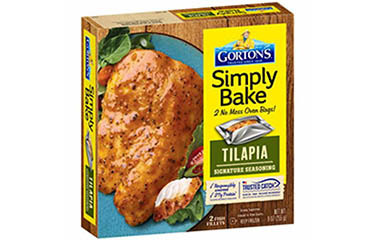
Not long after a U.S. judge allowed a class-action lawsuit against Gorton’s to proceed, the Gloucester, Massachusetts, U.S.A.-based supplier settled the case out of court.
Filed in April 2022 by plaintiffs Jeffrey Alan Spindel and Kevin McCarthy, the lawsuit alleged that Gorton’s tilapia products are falsely advertised as being sustainably sourced. Spindel and McCarth were asking for more than USD 5 million (EUR 5 million) in damages.
Gorton’s “reached a mutually agreeable resolution” with the plaintiffs and has “updated its tilapia sourcing practices at issue in the complaint,” the supplier said in a statement provided to SeafoodSource.
"Gorton’s continues to be a leader in the U.S. frozen seafood industry, offering consumers value added seafood for over 170 years,” the company added.
On 12 September, the plaintiffs, represented by Richman Law & Policy, and Gorton’s notified the court that they were exploring a private settlement. U.S. District Court for the District of Massachusetts Judge Patti B. Saris officially dismissed the case on 14 September.
"We believe courts and consumers are increasingly concerned about the sourcing and production practices of aquaculture-raised fishes and other aquatic animals, and how those practices are represented to the public,” Richman Law & Policy Animal Welfare Legal Fellow Brooke Dekolf told SeafoodSource.
On 24 August, Saris rejected Gorton’s motion to dismiss the lawsuit outright, though she sided with seafood firm in limiting the lawsuit to a dispute over whether the company’s tilapia can be advertised as sustainable.
At the time, Dekolf told SeafoodSource that “the next step [will] be to begin discovery into Gorton's supply chain – to identify the actual practices employed on their suppliers' farms.”
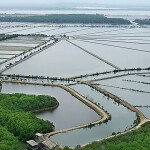
The plaintiffs argued that Gorton’s tilapia is sourced from farms in China that are “environmentally destructive and inhumane,” the complaint alleged.
At a hearing in mid-August, Gorton’s acknowledged some of its tilapia comes from fish farms in China but contended it follows industry best practices in all its sourcing efforts.
In July, the Global Seafood Alliance and New England Aquarium submitted an amicus brief to support Gorton’s motion to dismiss the suit, arguing Gorton’s uses credible third-party certifications to ensure it is following industry best practices in its seafood sourcing.
In her ruling, Saris dismissed the plaintiffs' requests for injunctive relief because Gorton's said it has discontinued, and plans not to reinstate, its "sustainably sourced" marketing verbiage.
“Plaintiffs have failed to plausibly allege future harm when they no longer purchase the products and defendant stated at the hearing that the ‘sustainably sourced’ label is no longer used," Saris wrote.
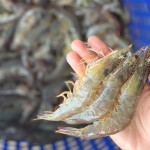
Photo courtesy of Food4Less
