





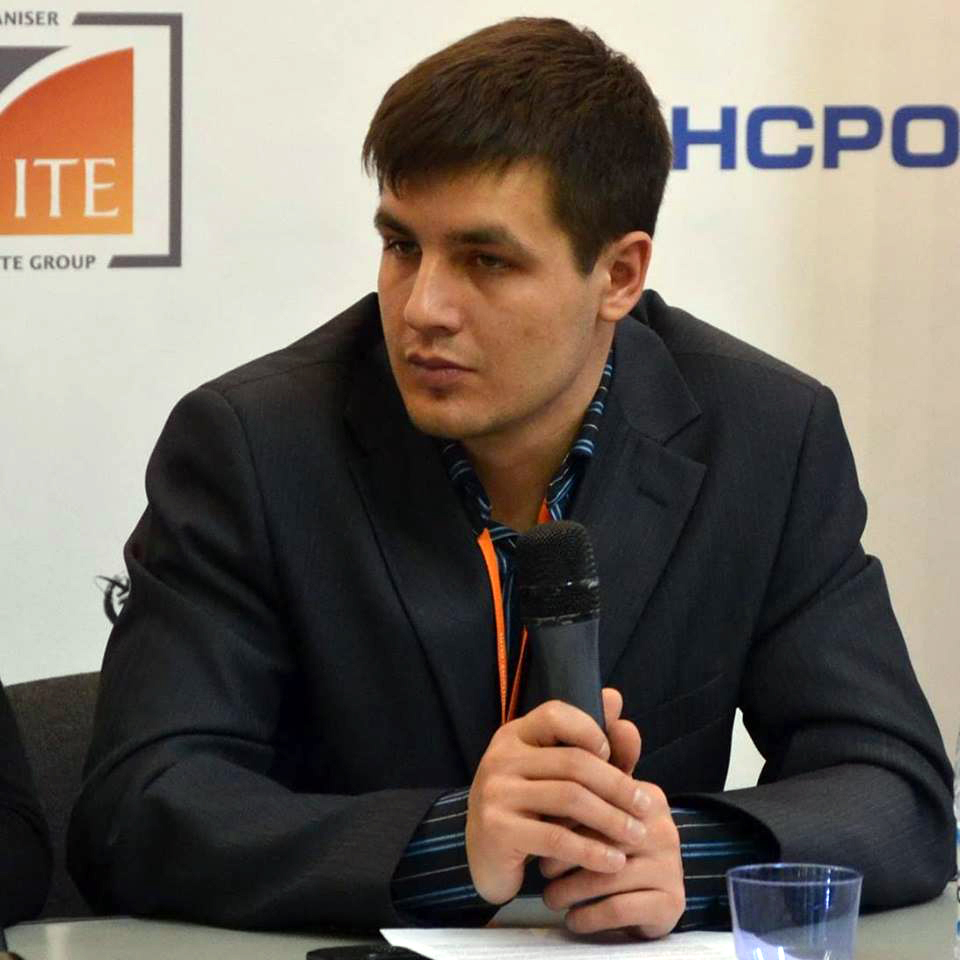
A Russian senator is calling for his country to renegotiate the line demarcating the fishing boundary between his country and the United States.
On 9 October, Russian Senator Boris Nevzorov, representing the Kamchatka region, a region in Russia’s eastern coast, which produces much of Russia’s wild-caught seafood, called for the renegotiation of the maritime boundary agreement known as the Baker-Shevardnadze line.
Negotiated between U.S. Secretary of State James Baker and U.S.S.R. Foreign Minister Eduard Shevardnadze in 1990, the agreement generally split the difference between the two countries’ claims on territorial waters. The United States quickly approved the agreement, but it was harshly criticized inside the U.S.S.R. and was never ratified before the Soviet Union’s collapse in 1991.
That lack of ratification is being claimed by Russian officials claim as proof the agreement has not come into force. Nevzorov and others supporting the renegotiation of the Russia-Alaska border, including Russia’s largest fishery association, the All-Russian Association of Fishing Industry (VARPE), hope to reclaim areas ceded to the U.S. in the 1990 negotiations.
Nevzorov has appealed to the head of the Senate, Valentina Matvienko, asking her to request the National Security Council consider initiating a renegotiation process. According to Nevzorov, Russia has legal claim to nearly 77,700 square kilometers of territory – the area as large as the Czech Republic or Austria.
VARPE announced on its website that the organization is ready to participate in the discussion on the matter. It also mentioned in the same announcement it had sent a letter to Matvienko backing Nevzorov’s effort. The organization cited a 2003 estimate by Russia’s Accounts Chamber calculating that between 1991 and 2002, Russia lost 1.6 to 1.9 million metric tons (MT) of potential catch of pollock, herring, halibut, cod, and crab. And between 2003 to 2017, another 1.2 to 1.4 million MT was not harvested, according to VARPE. In value terms, VARPE estimated the loss at up to RUB 170 billion (USD 2.65 billion, EUR 2.38 billion).
In response, Matvienko has requested a Senate committee work to create an independent estimate the losses experienced by Russian fishermen and other consequences as a result of the Baker-Shevardnadze boundary, comparing it to estimates based on the inclusion of several marine areas that were disputed during the Baker-Shevardnadze negotiations.
Upon receiving their reports, Matvienko said she will decide whether it’s worth reporting the issue to Russian president Vladimir Putin.
Photo courtesy of Wikimedia Commons
