





South Africa’s Department of Fisheries has announced plans to revise its procedures for awarding fishing rights to both local and international entities.
The reforms will come into effect later this year, with allocations to ensure the process is “clean, transparent, accountable, transformative, and legally defensible,” according to a statement from South African Fisheries Minister Barbara Creecy.
On 14 May, Creecy told the South African Parliament the review is focused on the “general policy on the allocation of commercial fishing rights, the 12 sector-specific policies, the policy on the transfer of commercial fishing rights, and the policy on fish processing establishments.”
Creecy said the Fisheries Department will be revising “all our fees for applications, licenses, and permits.”
At least 12 sectors are due for reallocation of fishing rights this year, and the Fisheries Department recently announced the selection of several service providers to help it wrap up the process by 31 December, 2021. South Africa’s seafood industry stakeholders will have an opportunity to comment on the process beginning in late May, according to Creecy.
Creecy’s push for a more transparent fishing rights allocation process is part of an effort to attract additional investment in a sector that has been characterized by low production, inadequate investment, and socio-economic marginalization. Creecy said this will be the first time South Africa will conducting a socio-economic impact assessment prior to a fishing rights allocation process and promised to have the outcome “taken into account when reviewing policies and allocations to promote profitability, whilst optimizing transformation and job creation.”
Separately, South Africa’s High Court has yet to rule on Creecy’s appeal that it allow her department to set aside the results of the small-scale fishing rights allocations made in 2020 in the Western Cape region. An audit of the process found it “was informed by the outcomes of an independent audit which found that the process was not fair and transparent; and that many bona fide fishers were left off the successful list, while others were included who should not have been successful.”
Creecy confirmed her department will continue its push to nullify the prior awards, and said it had alerted fishing groups and community-based organizations in the country’s small-scale fishing sector of its efforts. In the interim, it confirmed those with existing rights under different dispensations in the small-scale sector “can continue to fish.”
Meanwhile, Creecy said COVID-19 negatively impacted the efficiency of last year’s fishing allocation to 110 small-scale fishing cooperatives, who were allocated 15-year fishing rights in the Northern Cape, Eastern Cape, and KwaZulu-Natal prior to the national lockdown in March 2020.
“We are currently working with all levels of government to ensure there is sustained support to these emerging enterprises,” Creecy said.
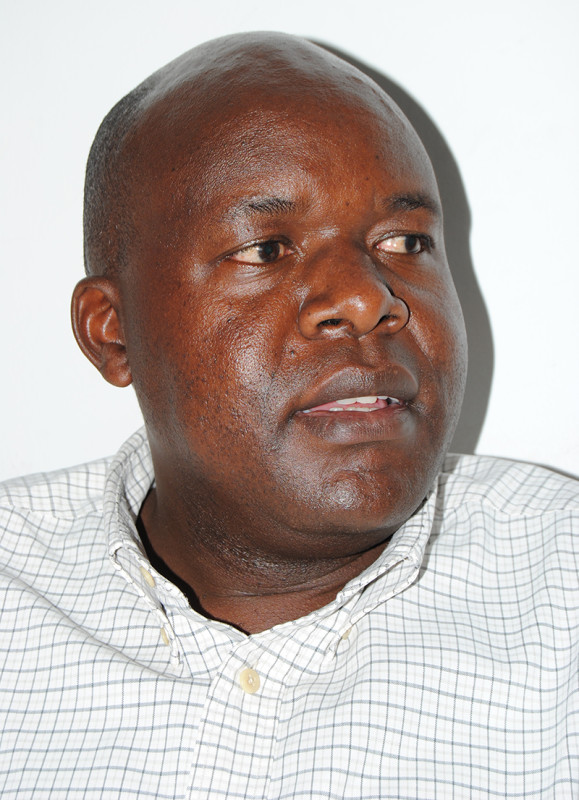
Photo courtesy of South Africa’s Department of Fisheries
