


U.S. grocery chain Publix has helped advance several Sustainable Fisheries Partnership (SFP) projects by donating USD 100,000 (EUR 90,000) to celebrate National Seafood Month this year, which took place in October.
In total, Lakeland, Florida, U.S.A.-based Publix has donated more USD 1.2 million (EUR 1 million) to SFP over 16 years. SFP works with the seafood industry to rebuild depleted fish stocks, reduce environmental impacts of fishing and fish farming, and ensure sustained economic opportunities for fishing communities globally, Publix said in a release.
“Publix and SFP share a commitment to continuous improvement and collaboration across the seafood supply chain,” Publix Business Development Director of Seafood Guy Pizzuti said. “By working with suppliers to support fishery and aquaculture improvement efforts, we’re helping build a stronger, more sustainable seafood industry for the future.”
Publix’s annual support helps SFP evaluate the company’s seafood sourcing and advance projects that address environmental risks related to fishing and aquaculture. This commitment also helps reduce unintended catch of ocean wildlife in the seafood sourcing supply chain.
SFP projects that Publix is supporting include additional albatross bycatch research in mahi fisheries in the Eastern Pacific Ocean. The waved albatross, a critically endangered seabird, faces ongoing threats of bycatch from longline fisheries, particularly during the mahi fishing season.
To help address this challenge, Publix funded a project through SFP that supported the analysis of waved albatross movement patterns and interactions with mahi fisheries to identify areas and times where bycatch risk is highest. The next phase will include fleet assessments to identify priority ports for training workshops in Ecuador and Peru. The workshops will focus on reducing seabird bycatch and promoting safe handling and release practices.
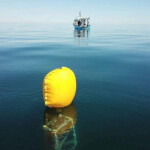
The Publix donation will also fund a year of maintenance and updates of on-demand fishing gear developed by the Sea Mammal Education Learning Technology Society.
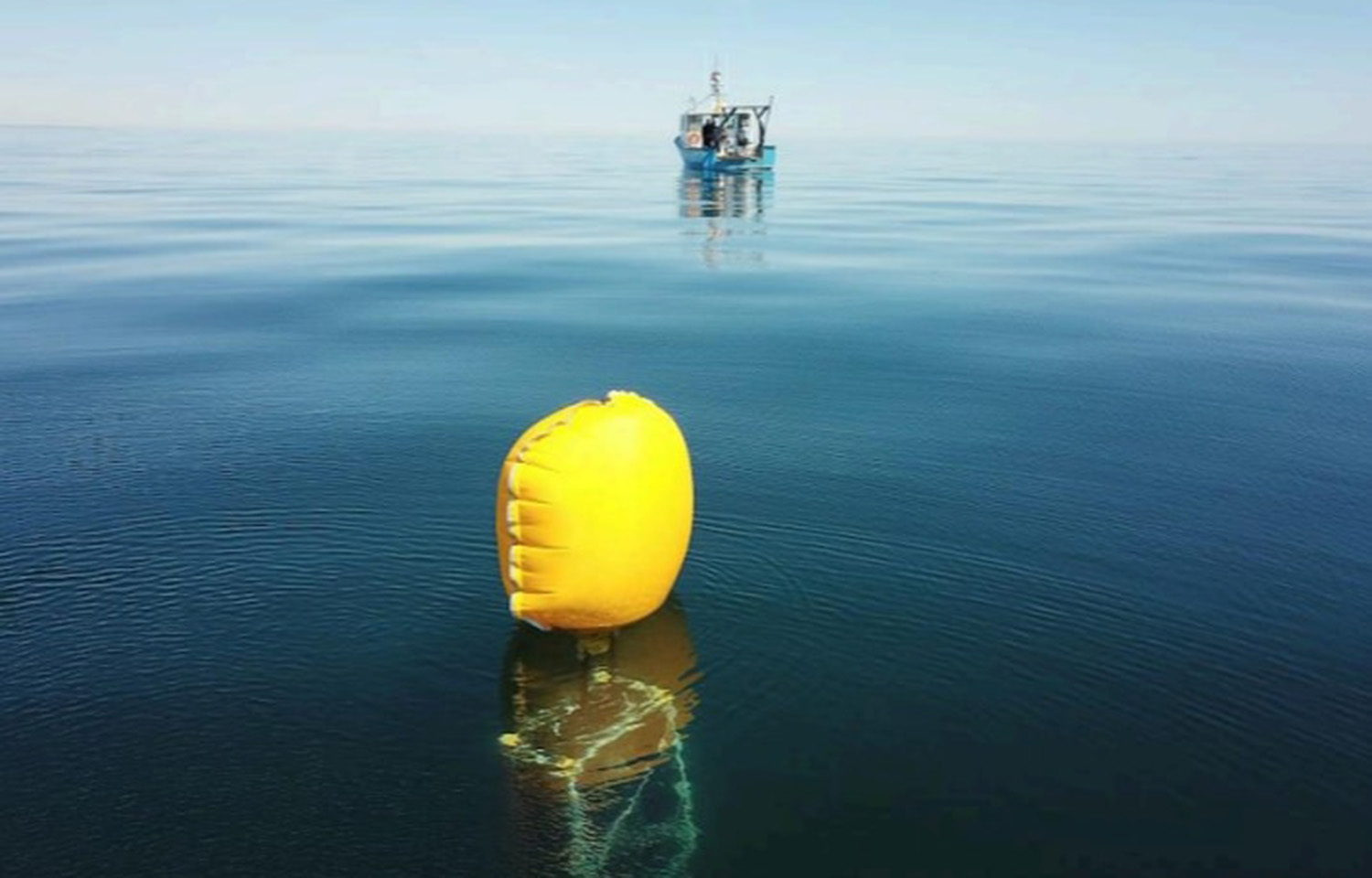
On-demand systems reduce the amount of vertical fishing line in the water by allowing gear, particularly in pot or trap fisheries, to be retrieved without a permanently attached surface buoy line.
“Gear trials and pilot projects can contribute to getting fishing trap lines out of the water in areas of high risk to whales while capturing important feedback from fishers, whose expertise is needed for developing solutions and improving on-demand systems,” Publix said.
Other projects Publix helped fund have continued to make progress, such as recruiting eight U.S. Gulf shrimp vessels to participate in an electronic monitoring project to gather better data on interactions with endangered smalltooth sawfish.
As of May 2026, over 2,000 trawling hours were monitored during the pink shrimp fishing season in South Florida.
Additionally, the Ocean Allies program was developed to recognize mahi fishers from Peru, Ecuador, Costa Rica, Panama, and Guatemala who support bycatch reduction through data collection and responsible fishing practices. More than 30 fishers from 16 different vessels participated, documenting the responsible release of 28 animals, including vulnerable species like sea turtles and sharks.
