


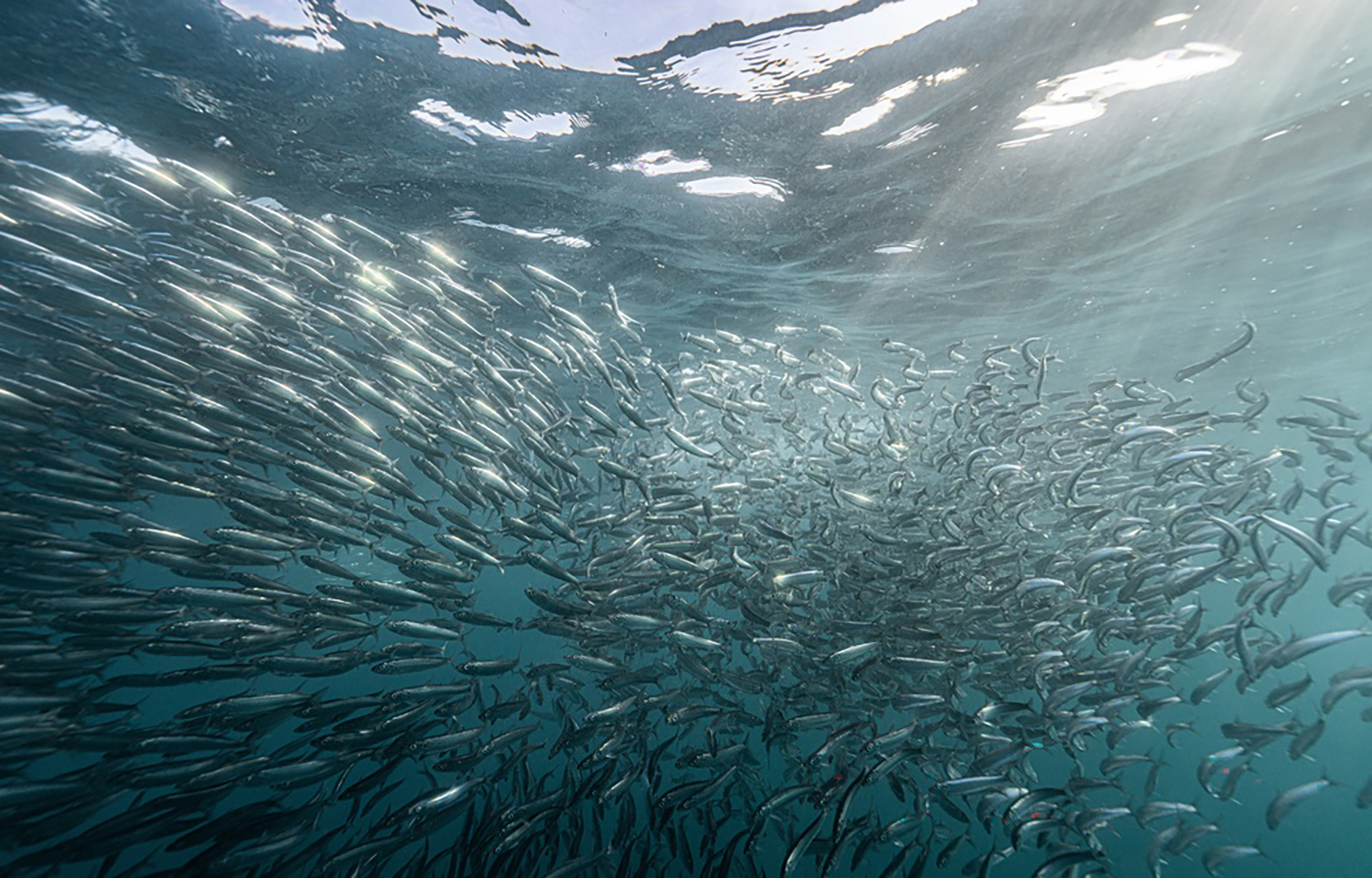
South Africa's Department of Forestry, Fisheries, and the Environment (DFFE) said it has yet to determine the full impact of recent mass pilchard die-offs on the country's seafood industry.
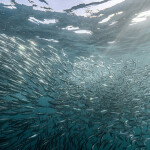
Mass deaths of sardines, also referred to as pilchards, have been observed since late July along the 2,600-kilometer coastline stretching from Henties Bay in Namibia to Mbotyi on the Eastern Cape of South Africa, with deaths starting to ease somewhat in September. The occurrence has been linked to an outbreak of pilchard herpesvirus (PHV).
“Laboratory, pathological, and epidemiological investigations are continuing, and the available evidence does not presently indicate that the event has caused a stock-wide reduction comparable to that reported during the Australian PHV events," DFFE said in a statement to South African Parliament.
Responding to the issue, DFFE approved a precautionary catch limit between 3 and 30 October, with each sardine fishing rights holder allowed to harvest no more than 33 percent of their remaining total allowable catch for the season. The limitation on sardine catch aimed to allow for gathering and processing of scientific information by DFFE's Small Pelagic Scientific Working Group (SPSWG).
SPSWG said available evidence did not indicate a sufficiently large reduction in the sardine population to justify complete closure of the South African sardine fishery and assured all commercially produced sardine products, released through regulated channels, remained safe as PHV does not pose a risk to human health.
However, it remains unclear what the full impact of the mass deaths might have on the management of the country's fisheries moving forward.
“It is difficult to say as an impact on overall management and structuring of national fishing quotas would be dependent on how prevalent and big the recurrence is, if any,” a DFFE spokesperson told SeafoodSource.
The mass die-off events came as South Africa was already reporting low anchovy and sardine catch totals.
According to fishing firm Oceana Group, which is one of the leading pilchard processors in South Africa, low local sardine biomass levels have put pressure on its operations in both South Africa and Namibia. The company confirmed it has had to import more than 80 percent of its pilchard raw material to ensure a consistent and sustainable supply.
It’s also unclear what the anticipated impact on pilchard-dependent predators such as penguins will be. Experts have expressed concern that the events may affect penguins’ ability to moult as the year comes to a close.
“There is a strong link between penguin survival and sardine biomass,” Seabird Conservation Program Manager at BirdLife South Africa Alistair McInnes told The Guardian in September, calling for a complete pause in fishing that DFFE did not end up adopting. “Of course I can appreciate the socioeconomic impacts of a closure, but the impacts of a fishery collapse – as has happened in California and Namibia – would be even worse. It doesn’t seem worth the risk for a few months of fishing.”
Kirsten Day, the policy and advocacy program manager at BirdLife South Africa told SeafoodSource DFFE should undertake "diligent and thorough research into the source, spread, and consequences of the outbreak in a transparent and collaborative manner to ensure that preparations are in place to manage any repeated outbreaks."
"Ongoing and monitoring of sardines is required to establish latent presence of the virus and the level of immunity in the remaining stock," she said.
DFFE, for its part, said it considers the eradication of pilchards practically impossible off the South African coast but pledged to take a precautionary, evidence-based response to the matter, pursuing actions such as imposing temporary limitation on right holders' outstanding total allowable catch allocations, continued surveillance and testing of dead and healthy sardines including imported raw material, ongoing assessments on the scale of the mortality event and biosecurity, and issuing public guidance against collecting, consuming, and feeding dead or dying pilchards to animals.
