






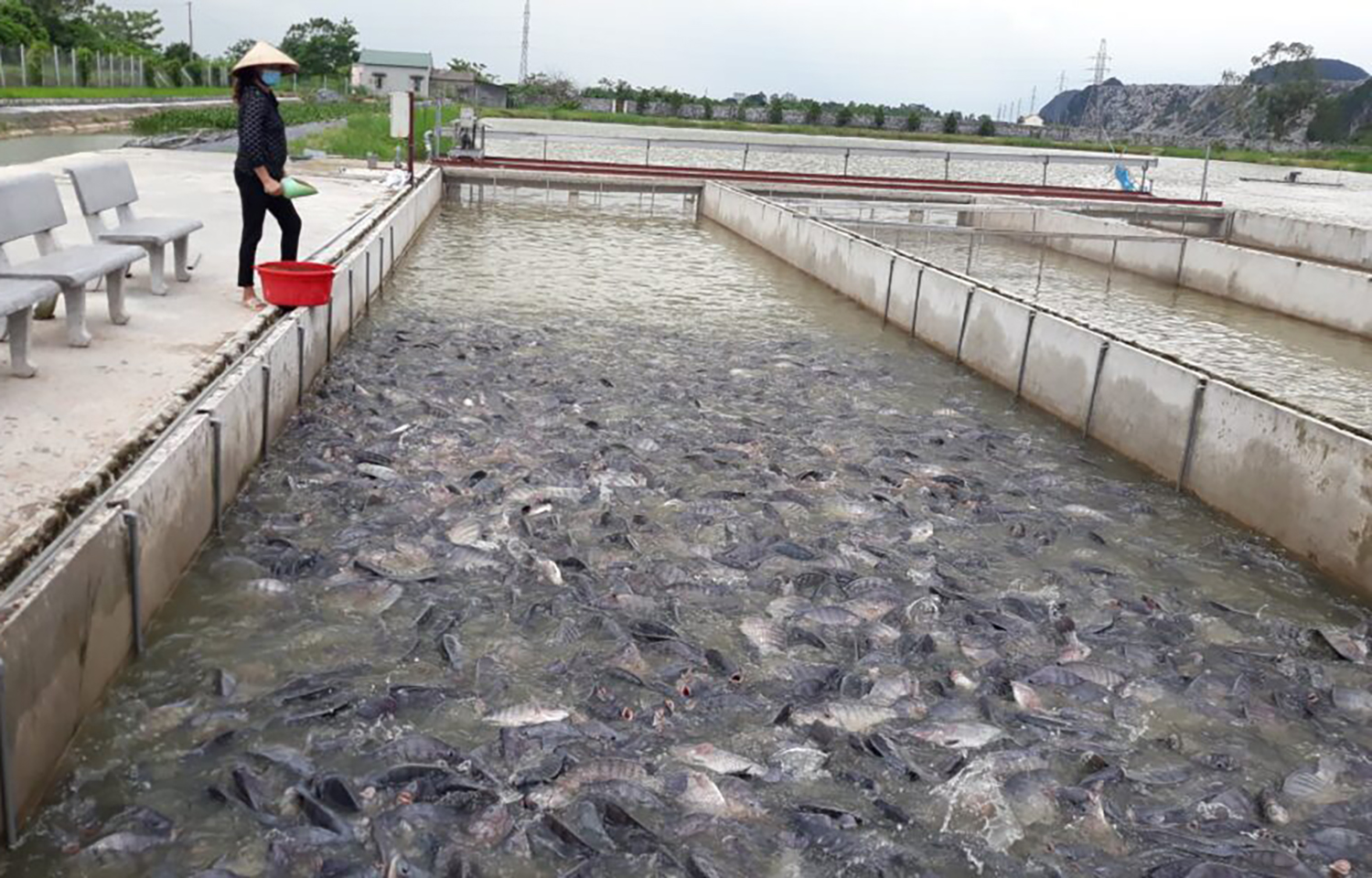
Brazil has lifted a ban on imports of tilapia from Vietnam in an effort to boost trade between the two countries.
On 15 February 2024, Brazil’s Agriculture Ministry halted all tilapia imports from Vietnam, pending a review of health protocols and concern over introduction of the TiLV virus into its domestic aquaculture industry.
“It means being cautious, guaranteeing quality and health in Brazilian production,” Brazil Agriculture and Livestock (MAPA) Minister Carlos Fávaro said in a statement at the time. “Brazil is a major producer and exporter of food because its agricultural defense is at its highest level, guaranteeing the quality of our products. We cannot and will never compromise on this matter.”
In response to Brazil lifting the ban as well as Brazil committing to conduct technical evaluations to facilitate imports of pangasius from Vietnam into the South American nation, Vietnam has decided to return the favor and open its market to beef from Brazil.
Additionally, Brazil has recognized Vietnam as a free market economy and has pledged to support Vietnam’s efforts to launch negotiations for a free trade agreement (FTA) with the Mercosur trading bloc, which is composed of Brazil, Argentina, Paraguay, and Uruguay, a 30 March statement from Vietnam’s Ministry of Industry and Trade confirmed.
When the ban on tilapia was first announced, the Vietnam Association of Seafood Exporters and Producers (VASEP) said that it would have a minimal impact, with Vietnamese tilapia exports to Brazil practically nonexistent during the five years leading up to 2024. However, VASEP warned at the time that Brazil's move against tilapia from Vietnam could signal the potential for similar trade barriers to arise on other Vietnamese seafood products like pangasius.
According to VASEP, pangasius has comprised around 90 percent of Vietnam’s total exports of seafood products to Brazil in recent years.
In the first month of 2025, Brazil became the third-largest single market for pangasius from Vietnam, importing USD 12 million (EUR 11.1 million) of the fish and accounting for 9 percent of Vietnam’s total pangasius export value. Most of the pangasius exports to Brazil were frozen fillets, VASEP said.
In Brazil, Vietnamese pangasius has to compete against other whitefish including tilapia from China and pollock from the U.S. and Peru, but if the FTA with the Mercosur bloc goes through, Vietnam would benefit from a reduction or total elimination of tariffs on pangasius exported to Brazil, making the products more competitive compared to other imported fish. Currently, Vietnamese pangasius entering Brazil is still subject to tariffs, while competitors such as China are taking advantage of preferential trade policies, VASEP said.
Apart from Brazil, the FTA with the Mercosur bloc would also enable Vietnamese pangasius exporters to penetrate into other markets, such as Argentina. This could help Vietnam diversify its export markets, reducing dependence on traditional buyers such as the U.S. and E.U.
Besides pangasius, Brazil also allows the importation of various shrimp products from Vietnam on the condition that they align with international standards.
Overall, Vietnam exported seafood worth USD 129.1 million (EUR 119.2 million) to Brazil in 2024, up 14 percent from USD 113.2 million (EUR 104.5 million) in 2023, according to data from Vietnam Customs.
